Roof terms in Sun Valley, ID can turn a simple estimate into a wall of jargon the moment a crew hands it over. Between pitch, flashing, decking, and squares, the wording hides real decisions about materials, labor, and price. This glossary breaks that vocabulary into plain English so you can compare bids, catch gaps, and ask sharper questions before you sign anything.
Our crews at 208 Roofing Experts write up estimates for homes across the Wood River Valley every week, and the same handful of terms trip up nearly every homeowner the first time. We built this guide around those exact words. For a full rundown of what our roofing contractor team handles locally, that page is a good next stop after this one.
Common Roofing Terms at a Glance
Understanding roofing terminology helps you read inspection reports, compare estimates, and ask clear questions about repair or replacement work. Terms like flashing, underlayment, decking, roof pitch, valleys, and ridge vents identify the components and conditions that shape a roof's scope of work and its ability to control water.
A handful of terms show up on nearly every bid in this area. Here's a quick-reference table before the detailed breakdown below.
| Term | Simple Definition | Where You'll See It |
|---|---|---|
| Square | 100 square feet of roof area | Material quantities, pricing |
| Pitch | How steep the roof is | Scope notes, labor pricing |
| Tear-off vs. overlay | Full removal vs. roofing over existing layers | Scope of work |
| Decking | Wood base under the roof covering | Structural line items |
| Underlayment / flashing | Water-shedding layers beneath shingles | Material list |
| RCV vs. ACV | Replacement cost vs. actual cash value | Insurance claim paperwork |
Roof Structure, Edges & Drainage Terms
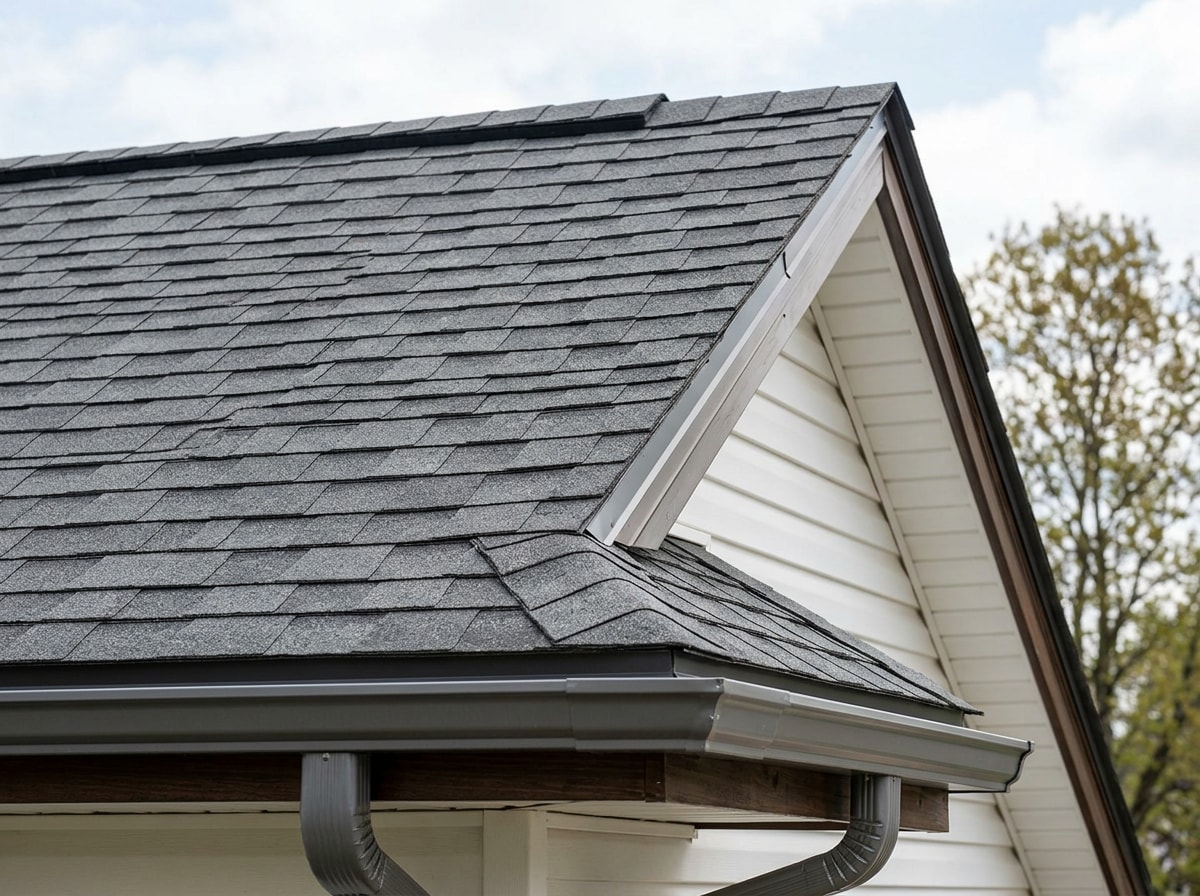
These terms describe the physical anatomy of a roof, the parts a contractor points to during an inspection walk-through. Pitch, valleys, hips, eaves, and rakes all affect drainage, material quantities, and the details written into an estimate.
Eaves, Rakes & Ridge
Eaves are the horizontal bottom edges of the roof, rakes are the sloped edges running along the sides, and the ridge is the peak where two roof planes meet at the top. Homeowners often mix these up, but they describe three distinct roof edges with different water-shedding jobs.
Eaves typically carry gutters and need solid drip edge protection since they handle the heaviest runoff. Rakes shed wind-driven rain and snow off the sides. The ridge, meanwhile, is usually where ridge vents sit to let attic air escape.
Gable & Hip
A gable is the triangular section of wall between two slanted roof edges, the flat, pointed shape you see on the end of many homes. A hip is the external angle formed where two sloped roof planes meet, running from ridge down to eave instead of ending in a flat wall.
These two shapes define whether a home has a gable roof or a hip roof, and the distinction matters more here than in milder climates. Hip roofs tend to shed heavy snow more evenly on all sides, while gable roofs can build larger snow loads on one slope.
Roofing Layers & Water-Shedding Materials
Beneath the visible shingles sits a layered system that does most of the actual waterproofing work. Decking creates the structural surface below the roof covering, while underlayment adds a protective layer directly beneath the shingles themselves. Flashing seals the seams and transitions where water is most likely to find a way in, details that matter even more under heavy mountain snowpack.
Decking (Sheathing)
Roof decking is the wood surface that shingles, underlayment, and flashing are all fastened to. "Sheathing" and "decking" are interchangeable terms describing the same component.
Most decking is OSB (oriented strand board) or plywood. If decking has rotted or delaminated from moisture, an estimate will usually list a separate decking replacement allowance.
Drip Edge
Drip edge is a metal flashing installed along the roof edges to direct water away from the fascia and decking, preventing rot at the eave and rake. It's a small, inexpensive component that does an outsized amount of protective work.
In cold, high-snow regions like Blaine County, drip edge works alongside a self-adhered ice-and-water membrane to resist ice dams, ridges of refrozen meltwater that back up under shingles. Under the International Residential Code's ice barrier provisions, homes in areas with a documented history of ice damming at the eaves need this membrane to run from the eave edge up to a point inside the exterior wall line, with extra coverage required on steeper roofs (see the IRC's ice barrier requirements). Skipping this detail is one of the more common, and costly, gaps on older mountain-town roofs.
Shingle & Measurement Terms
Architectural (dimensional) shingles are the most common asphalt shingle installed today, thicker, layered, and designed for better wind resistance and more visual depth than older three-tab styles. If you're weighing shingles against other materials for a local roof, our guide to metal roofs vs. shingles in Sun Valley walks through the tradeoffs in more detail. Roofers also describe jobs using specific measurement and material terms, and these show up directly on a Sun Valley estimate.
Roofing Square
A roofing square is a unit of measurement equal to 100 square feet of roof area, and contractors use it to discuss roof size, material quantities, and pricing consistently across bids. This standardized unit lets you compare two estimates apples-to-apples, even if the contractors phrase things differently.
Granules
Granules are the small mineral particles embedded in asphalt shingles that provide UV protection, fire resistance, and color. They're the gritty surface texture visible on any shingle up close.
Granule loss shows up as bare or shiny patches where that grit has worn away, exposing the underlying asphalt to direct sunlight. Once granules are gone, the shingle ages faster and loses much of its remaining protective value. A roof inspection is the fastest way to find out how much granule loss your roof has before it turns into a leak.
Ventilation, Penetrations & Condition Terms
Ventilation, penetration, and condition terms describe visible concerns on a roof without necessarily confirming the cause. An inspector might note "staining near a penetration" without yet knowing if it's a flashing failure or condensation.
Sun Valley's elevation, around 5,750 feet according to the city's own figures, changes how these terms apply compared to a lowland home. Blaine County's building code also sets site-specific roof snow load requirements rather than one blanket number: areas north of Ketchum up to North Fork are built to a 125-pound-per-square-foot roof snow load, while areas from north of Bellevue to south of Ketchum are built to 100 pounds per square foot. A contractor who knows your exact zone's requirement, not just a regional average, is working from the right numbers. You can check the Blaine County roof snow load table for your specific area.
Poor balance between intake and exhaust ventilation lets warm attic air linger near the roof deck, melting snow from underneath even when outdoor temperatures stay below freezing, a leading driver of ice dams at the eaves. That same warm, poorly vented attic air also raises attic condensation risk, since moisture from the living space below can collect on cold decking and framing instead of escaping outside. ENERGY STAR's attic ventilation guidance recommends balanced soffit-to-ridge airflow paired with proper insulation and air sealing to keep the attic cold and limit this risk (see ENERGY STAR's attic ventilation guidance). A professional roof inspection can catch early condition terms, staining, soft decking, granule loss near penetrations, before they turn into a larger repair.
Valleys
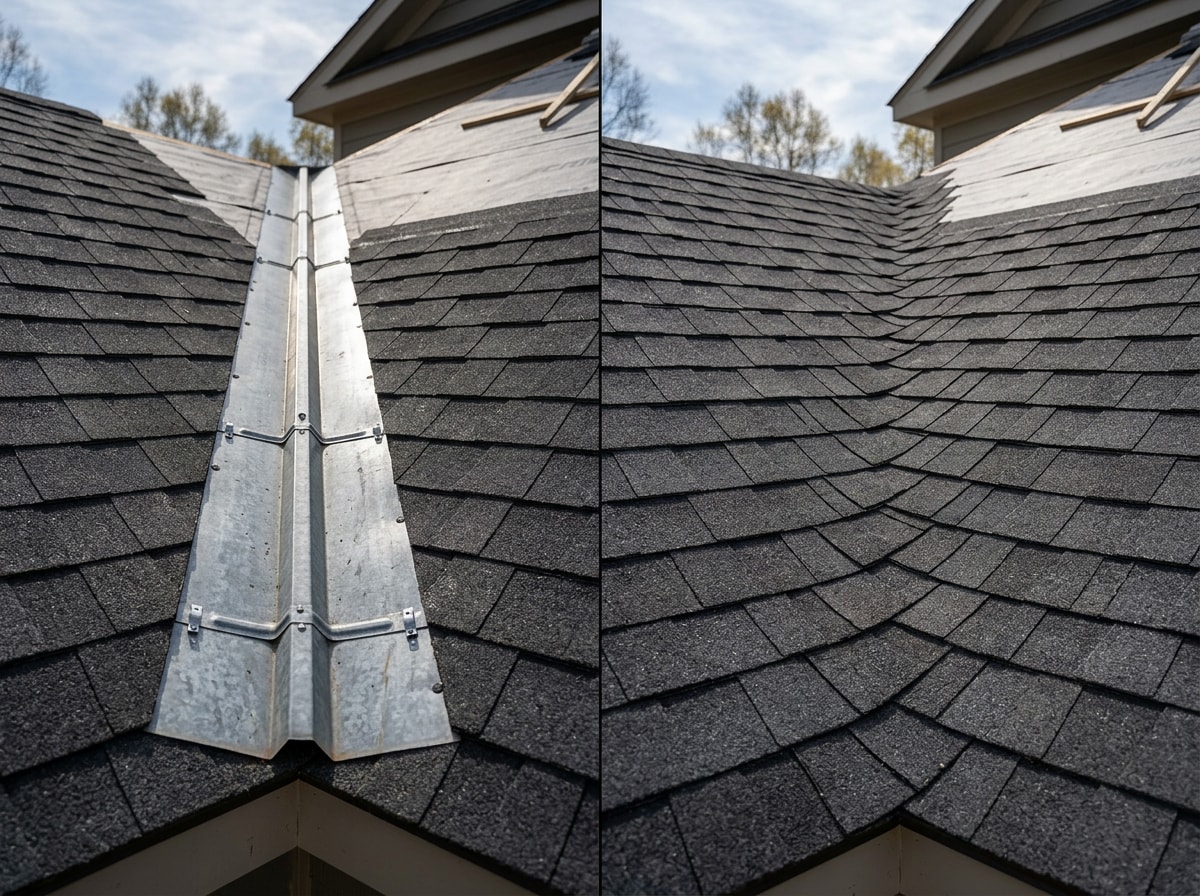
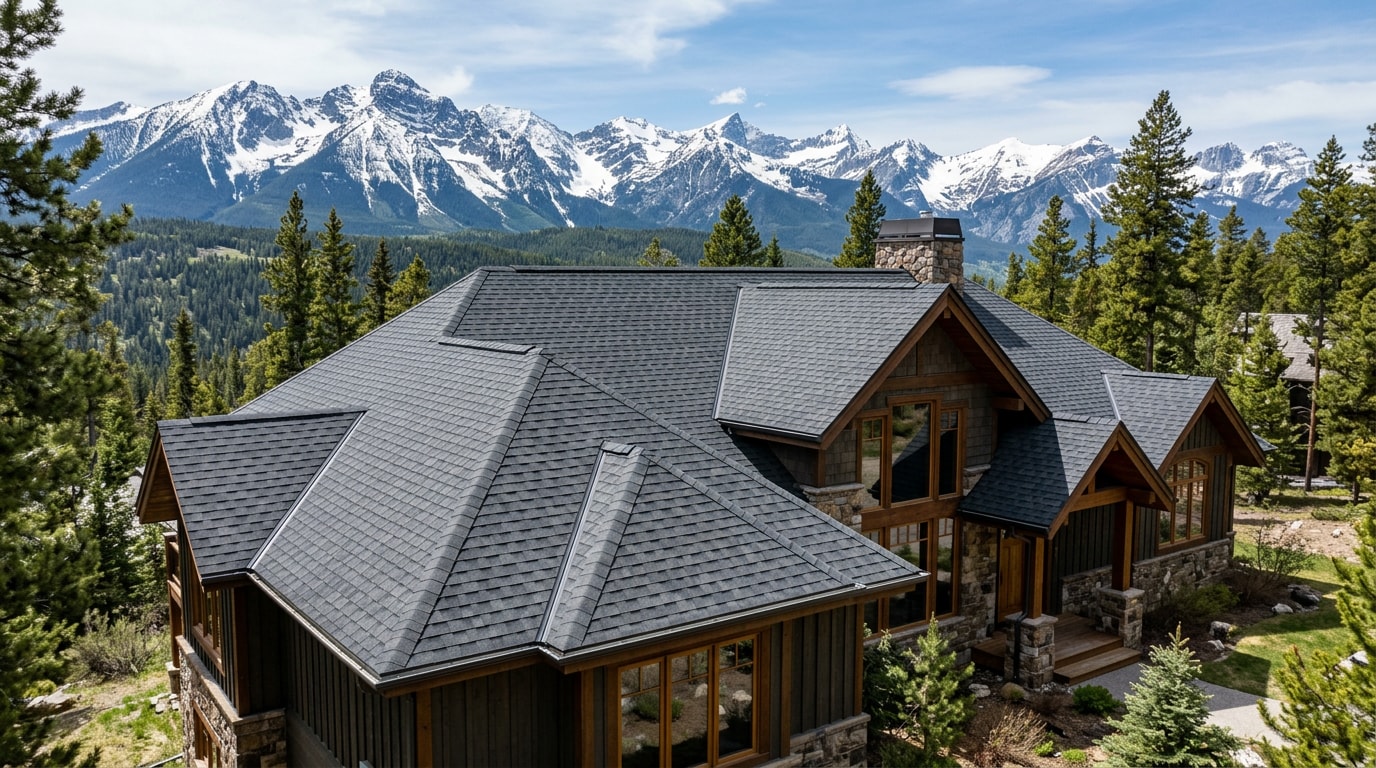
Valleys are the internal angles where two roof slopes meet and channel water down toward the eaves. Because valleys concentrate a high volume of runoff, and in Sun Valley's case, melting snow, they need more robust flashing than flat roof sections.
Open valleys expose a metal flashing channel between the two shingle lines, while closed (or woven) valleys run shingles across the valley for a more seamless look. Open valleys generally handle heavy water and snowmelt volume more reliably, which is why many mountain-area roofers default to them.
Terms You May See on a Roofing Estimate
Beyond structure and materials, a few terms show up specifically on the paperwork itself.
- Tear-off: fully removing old roofing material before installing new.
- Waste factor: the extra material allowance for shingles cut or trimmed during installation.
- Disposal and permit fees: costs tied to hauling debris and local inspection requirements.
- Manufacturer warranty: covers roofing materials under the manufacturer's own terms, separate from the contractor's workmanship warranty on installation quality.
Both warranty types should be reviewed individually, since coverage length and what voids them can differ significantly between the two. If any of these terms look unfamiliar on your own paperwork, our team can walk through it line by line. Get a free estimate and ask every question upfront before work starts.
Ready to put this vocabulary to use on your own property? Request a roof replacement estimate and compare line items with confidence, or browse our Sun Valley service area page for more on what we handle locally.
FAQ
What are the parts of a roof called?
The main parts include eaves (bottom edges), rakes (sloped side edges), the ridge (top peak), gables (triangular wall sections), hips (external angles), decking (the structural base), and valleys (where two slopes meet). Each plays a distinct role in shedding water and snow off the roof.
What does roof pitch mean?
Pitch describes how steep a roof is, usually written as inches of rise for every 12 inches of horizontal run (a "6:12 pitch" rises 6 inches per foot). Steeper pitches shed water and snow faster but generally cost more to install because they're harder and slower to work on.
What's the difference between architectural and three-tab shingles?
Architectural shingles are thicker, layered, and built with a dimensional look that mimics slate or wood shake. Three-tab shingles are flat, single-layer, and lighter, which makes them cheaper but less wind- and impact-resistant than architectural styles.
Why does roofing underlayment matter?
Underlayment is the water-resistant layer installed directly on the deck before shingles go down. If wind or ice ever gets under a shingle, underlayment is the backup barrier keeping water off the wood deck below.
What are some common slang terms used in roofing?
Roofers shorten technical language constantly on the job site. "Tear-off" becomes just "the tear," a "square" is often just "a sq," and underlayment is sometimes called "felt," even when synthetic material replaced actual felt paper years ago.
What are some common technical terms used in roofing?
The more technical vocabulary includes underlayment, flashing, ridge ventilation, ice-and-water membrane, and attic condensation, terms covered in detail in the Layers and Ventilation sections above. These describe how a roof manages moisture rather than just its visible shape.
What are some words related to roofing?
Beyond the terms above, paperwork commonly includes square, pitch, tear-off, overlay, decking, underlayment, flashing, drip edge, ridge, valley, soffit, and fascia. Recognizing these words on an estimate makes the whole document far less intimidating.