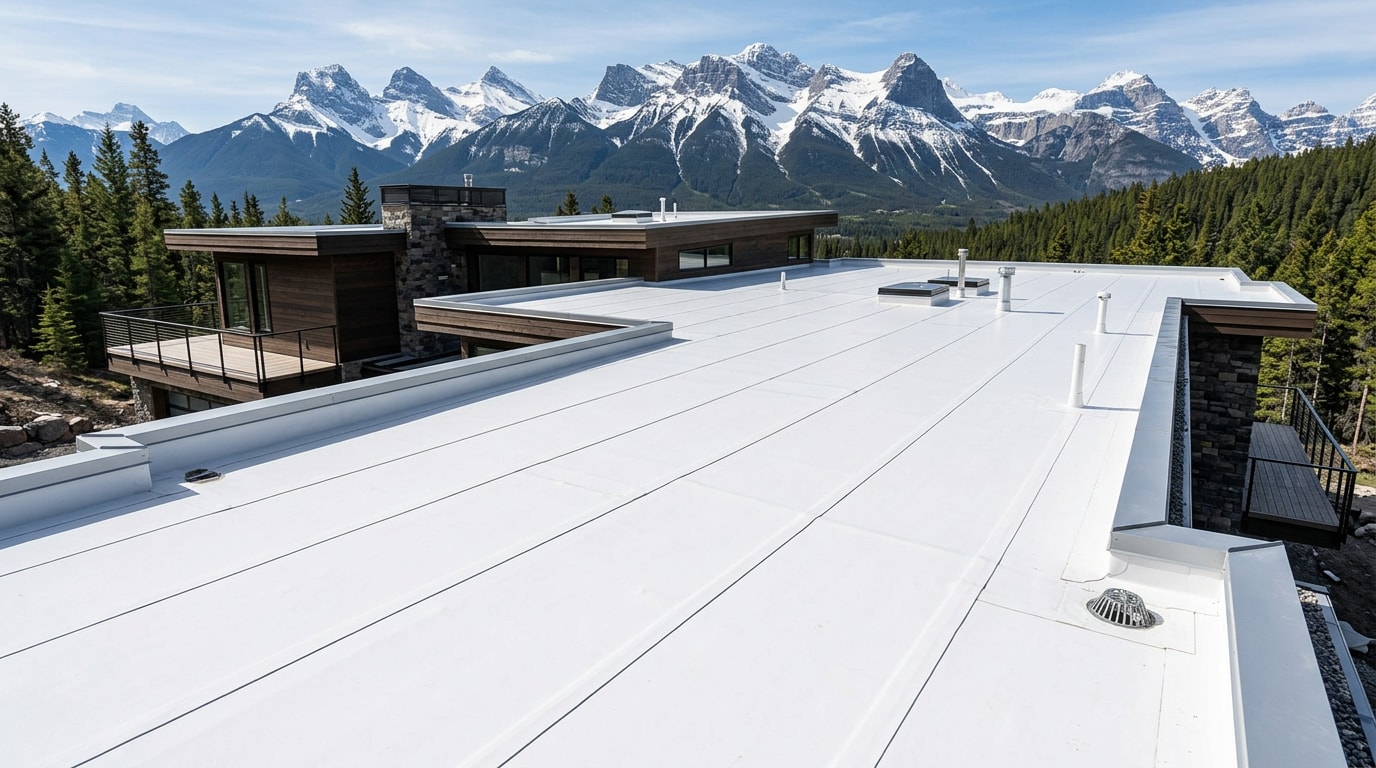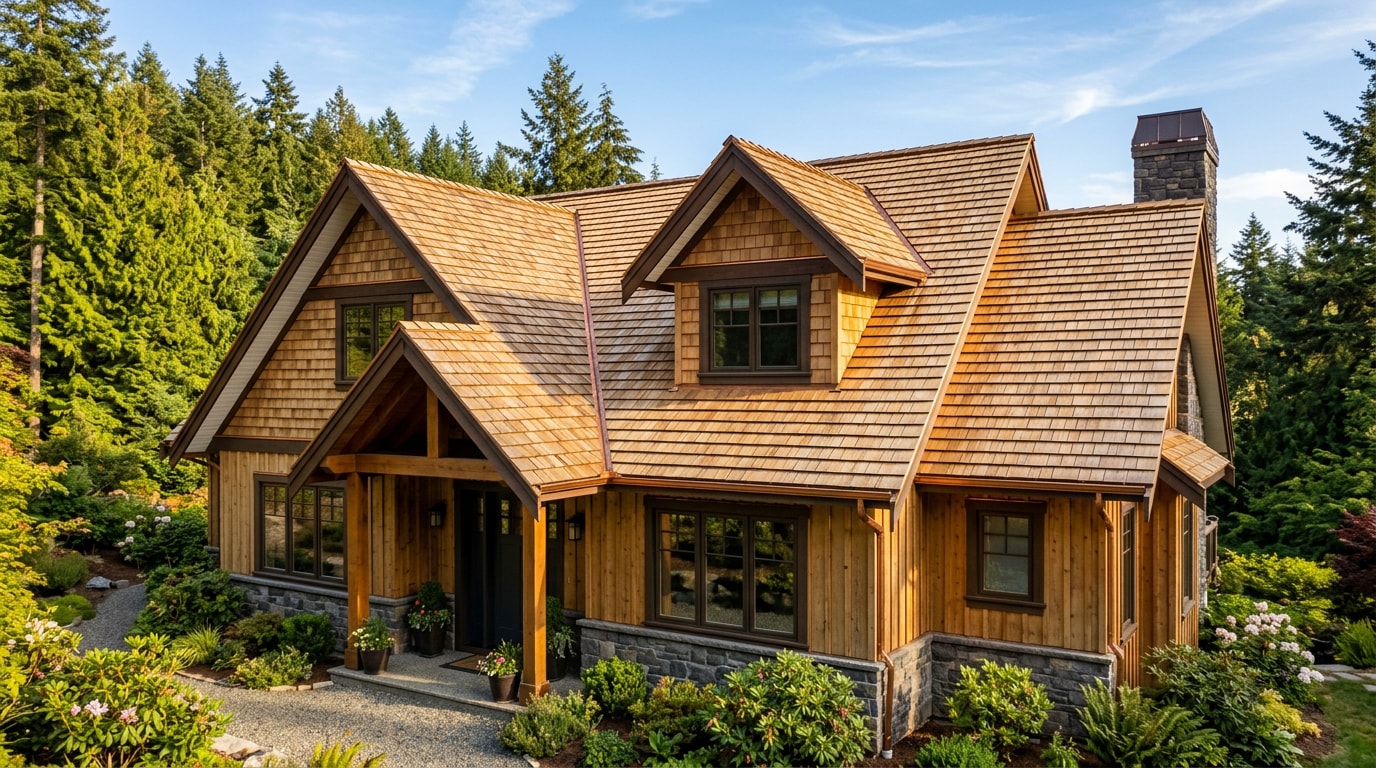
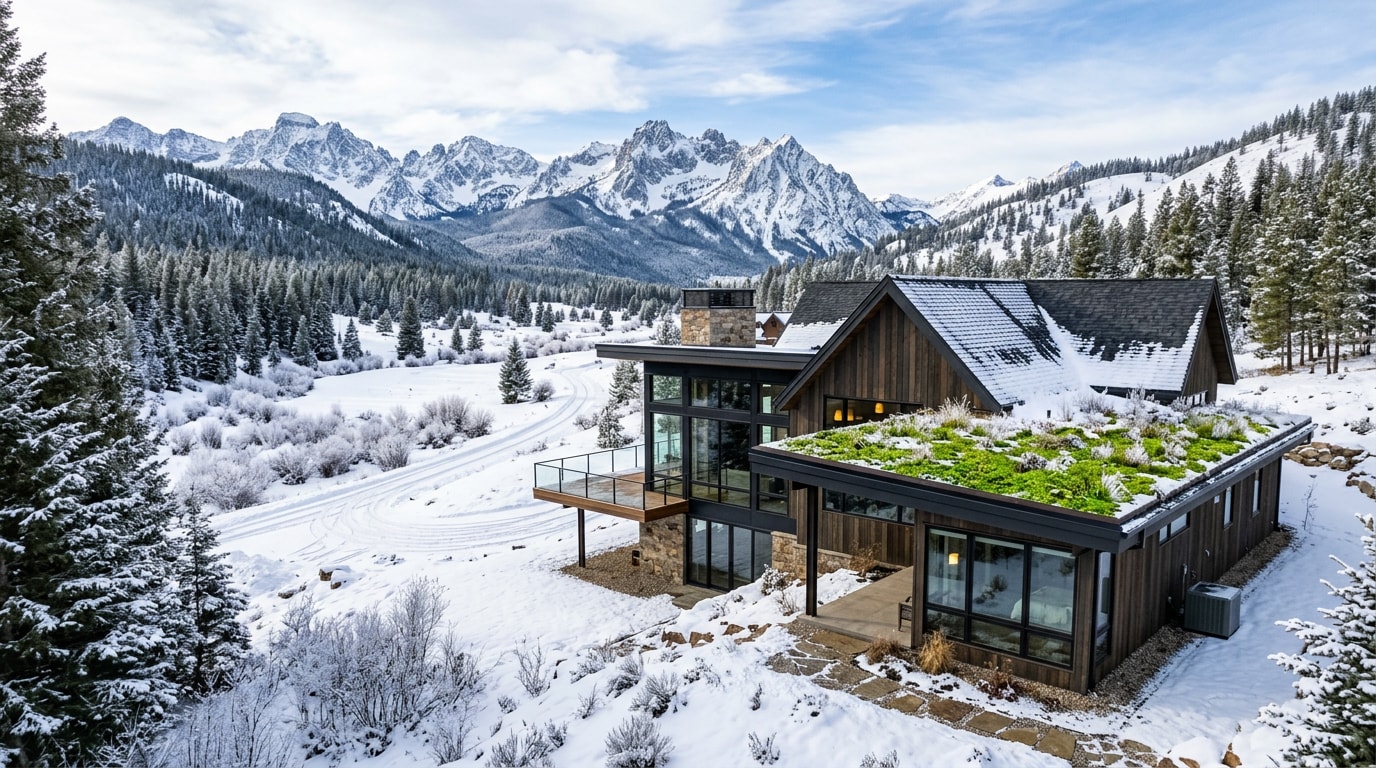
Green roofing in Hailey, ID covers everything from fully vegetated living roofs to reflective membranes built to handle mountain sun and heavy snow. Wood River Valley homeowners are weighing these options more often as energy costs climb and sustainable building becomes part of normal renovation planning. This guide breaks down what actually works at 5,300+ feet, what each system costs, and where a "green" roof can backfire in a cold climate if it's the wrong type.
Green Roofing Options for Hailey, ID Homes
Not every eco-friendly roof performs the same way once winter hits the valley. Below are the five systems Hailey homeowners ask about most, ranked by how often our crews actually install or inspect them on local homes.
Vegetated (Living) Green Roofs
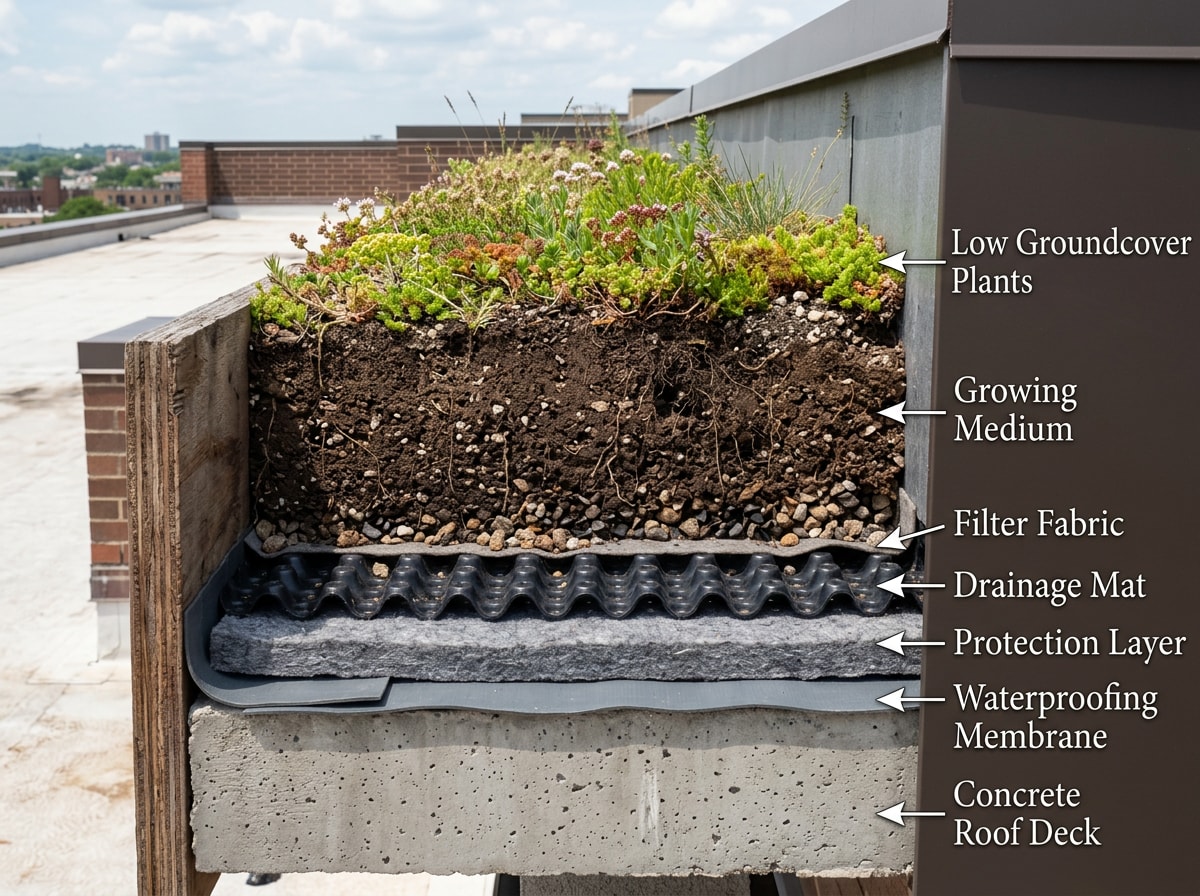
A vegetated roof is built with layered waterproofing, a root barrier, drainage material, growing medium, and live plants installed over a structural deck. The plant and soil layers add insulation, slow stormwater, and shield the waterproof membrane underneath from UV and temperature swings.
Green roofs often have higher upfront costs than cool roofs, but they typically have a longer expected life, and they offer added benefits such as reducing and filtering stormwater runoff, absorbing pollutants, and providing habitat. That stormwater benefit matters here, since every roof in the valley eventually has to shed a season's worth of snowmelt somewhere. Homeowners weighing drainage upgrades alongside a green roof project can compare options on our gutter services page.
EPDM Membrane Roofing
EPDM is a synthetic rubber membrane used on low-slope and flat-roof applications, and it's also the waterproofing layer under many vegetated green roof systems. Black EPDM roofs have been used for more than 50 years and white EPDM roofs have been used for more than 30 years , which is a longer track record than most reflective membrane alternatives can point to. Dark-colored EPDM helps building owners save on heating costs, while light-colored EPDM helps with cooling costs , so the color choice matters as much as the material in a climate like Hailey's.
Cool Roofing
Cool roofing uses reflective coatings or materials to bounce sunlight away instead of absorbing it. It's a popular upgrade in hot, sun-heavy climates, but it isn't automatically the right eco-roof choice everywhere.
Solar Panel Roofing
Solar, or photovoltaic roofing, pairs naturally with a reroof project. Panels can be integrated during roof installation rather than added later, which avoids a second round of flashing and penetration work.
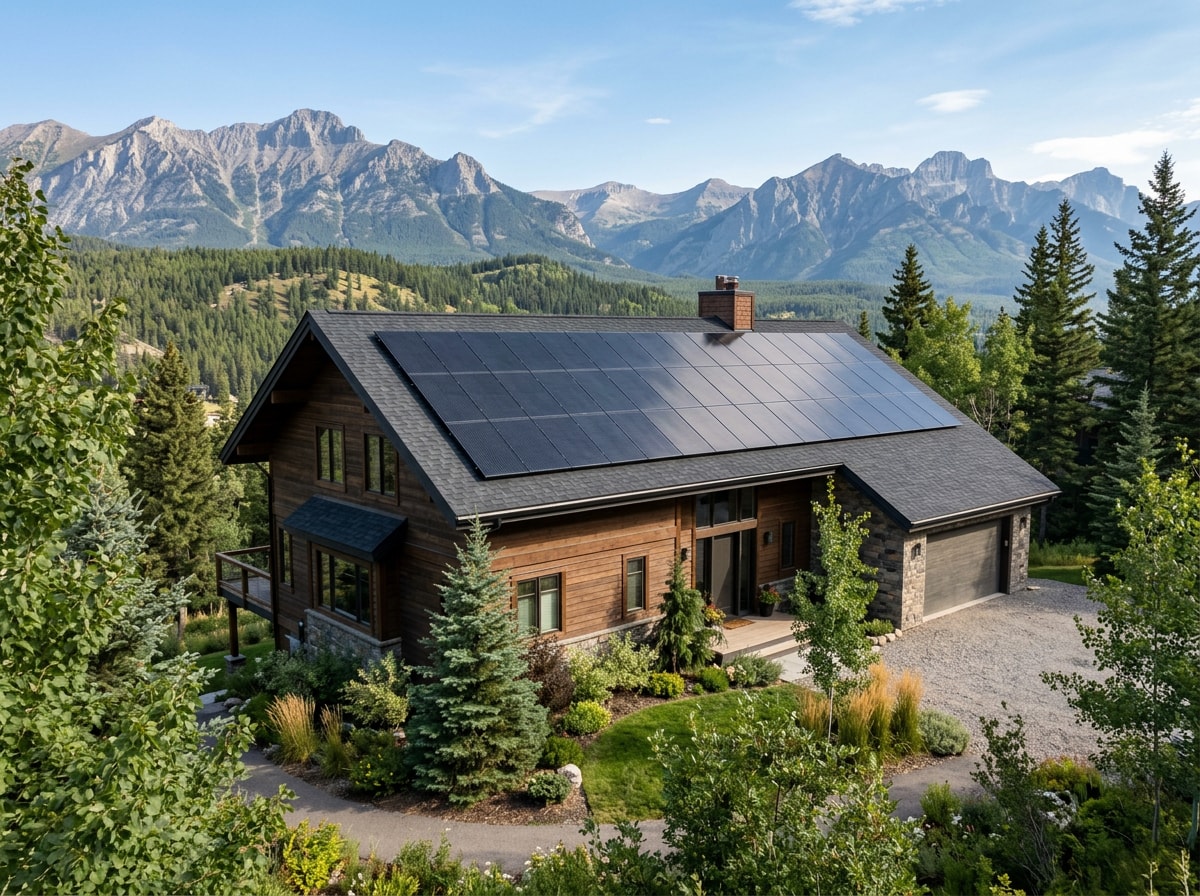
Energy-Efficient Roof Assemblies
Beyond the membrane or surface itself, attic ventilation, insulation depth, and air sealing all affect how much any "green" roof actually saves. A roof that reflects heat but sits over a poorly vented attic won't deliver the energy numbers homeowners expect.
Cost Comparison: Green Roofing Systems in Hailey, ID
| System | Typical Cost Range (per sq. ft.) | Best For |
|---|---|---|
| Extensive vegetated roof | $10–$25 | Low-maintenance green roofing on homes with a structurally sound deck |
| Intensive vegetated roof | $25–$40+ | Larger plants, deeper soil, rooftop garden use |
| EPDM membrane (new) | $4–$8 | Flat or low-slope sections, base layer under a green roof |
| Cool roof coating (over existing roof) | $2–$5 | Extending roof life without a full tear-off |
| Residential solar roofing | $15,000–$35,000 (full system) | Pairing renewable energy with a reroof |
Costs vary with roof access, structural work needed, and how far materials have to travel into the valley. A roof inspection is the fastest way to get a number specific to your roof rather than a regional average.
Does a Cool Roof Even Make Sense in Hailey's Climate?
This is the part most green-roofing content skips, and it's worth saying plainly: a highly reflective roof is not automatically a win in a cold mountain town.
Reflective roofs are not recommended for cold climates where there is no need to cool the building , according to Department of Energy-affiliated research on roof reflectance. In a heating-dominated climate like Hailey's, a reflective roof can bounce away winter solar gain that would otherwise help warm the attic, which can quietly raise heating costs even as it lowers summer cooling costs.
That doesn't rule cool roofing out. The Federal Energy Management Program notes that high solar reflectance, durability of that reflectance over time, and high emittance are the three properties to prioritize when selecting a roof material to reduce cooling load , and homes with south-facing exposure or significant summer AC use can still benefit. The point is that it should be a deliberate trade-off, not a default choice, which is why we walk through heating versus cooling load with homeowners before recommending it.
Snow Load: The Structural Question Every Green Roof Needs Answered First
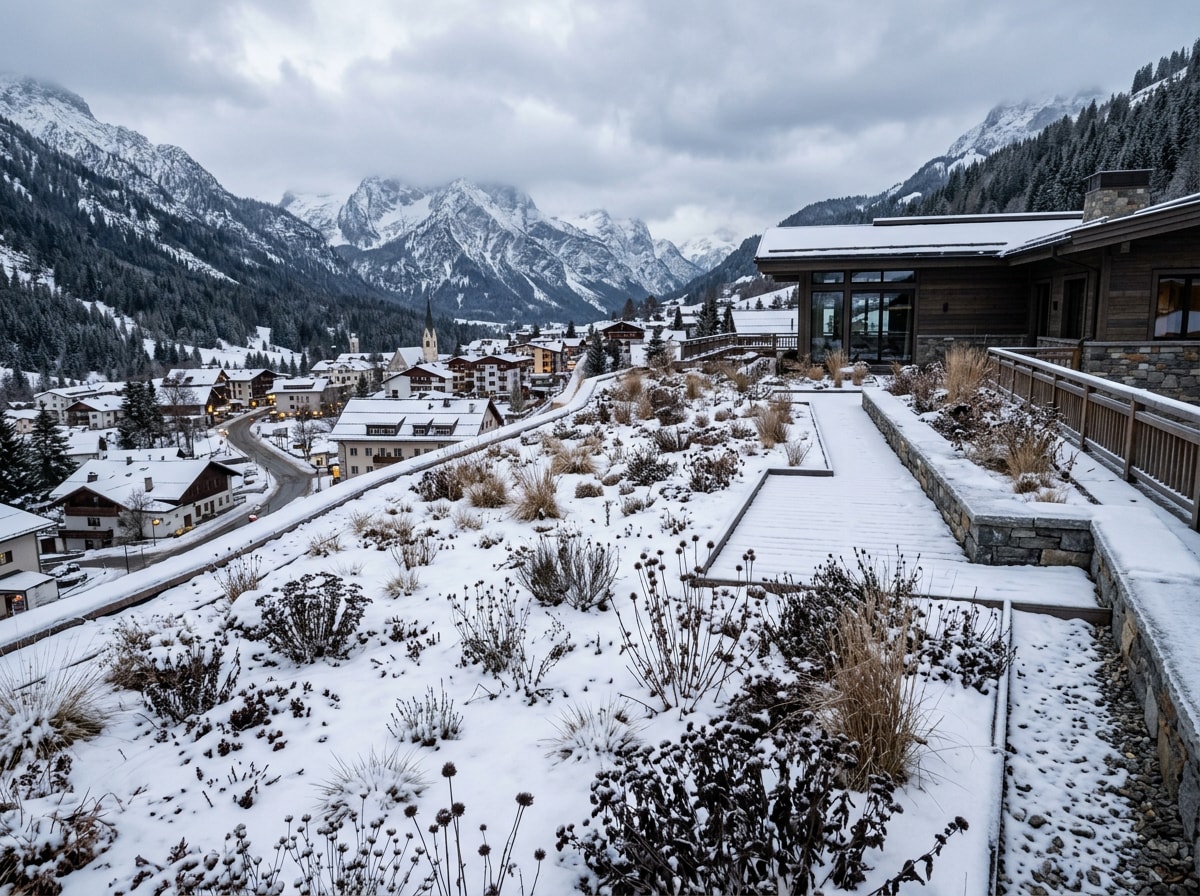
Hailey's snowfall adds real, sustained weight to a roof deck, and a vegetated system adds weight on top of that. Saturated soil and plant material on an extensive green roof typically add meaningful dead load before a single flake of snow falls, and that load has to be checked against the structure, not estimated.
ASCE/SEI 7-22, Minimum Design Loads and Associated Criteria for Buildings and Other Structures, is the structural standard used to calculate snow, dead, and combined loads for buildings , and it's the baseline any contractor or engineer should reference before signing off on a vegetated roof in a snow zone like Blaine County. Skipping that step is how green roofs develop sagging, ponding, or structural stress that has nothing to do with the plants and everything to do with an undersized deck.
The good news: snow cover often insulates dormant plants through winter rather than harming them. The risk isn't the vegetation, it's the combined load the framing has to carry.
Maintenance: What Green Roofing Actually Requires Year-Round
- Vegetated roofs: seasonal weeding, drain checks before spring melt, and root barrier inspection every few years.
- EPDM membranes: seam checks and debris clearing, especially after high wind.
- Cool coatings: reflectance fades over time, so recoating keeps the energy benefit intact.
- Solar roofing: panel cleaning and flashing checks around each mounting point.
None of these are complicated, but they're easy to miss if nobody's looking. Bundling a green roof system into a standard roof repair schedule keeps small issues from becoming expensive ones. If you're still deciding between a full tear-off and a coating-based upgrade, our guide on residential roofing replacement in Hailey, ID walks through that decision in more depth.
Is Green Roofing Right for Your Hailey Home?
Green roofing makes the most sense when the structure can carry the added load, the climate goal is clear (cooling savings vs. stormwater control vs. roof longevity), and the system is matched to the house rather than picked off a list. That's a conversation, not a guess.
Our crews cover this type of work across the Wood River Valley and the wider Treasure Valley region, including Hailey, Sun Valley, and surrounding areas. Start with a roofing contractor consultation to find out which eco-friendly option actually fits your roof, then request a free estimate before the next storm cycle moves through.
For homeowners comparing green roofing against more conventional installs, our homepage has an overview of every roofing, siding, and gutter service we offer in the region.
FAQ
How long does a green roof last?
A well-maintained vegetated green roof typically lasts 40 to 50 years, roughly double a conventional roof, because the soil and plant layers shield the waterproof membrane from UV and thermal cycling.
Are green roofs worth it?
Green roofs often have initially higher costs than cool roofs, but they typically have a longer expected life , and many homeowners recover value through lower energy bills, delayed replacement, and reduced stormwater runoff over a 20-plus year horizon.
Do green roofs leak?
Properly installed green roofs include a root barrier and multi-layer waterproofing, so they don't leak more than a conventional membrane roof. The added protection from UV exposure and debris can actually reduce long-term leak risk.
Do green roofs actually reduce stormwater runoff?
Yes. Green roofs reduce and filter stormwater runoff while also absorbing pollutants and carbon dioxide , which is one reason some municipalities offer incentives for installing them.
Can a green roof handle heavy snow and cold winters?
Only if the structure has been checked. Any vegetated roof in Hailey needs a structural assessment confirming the deck can carry combined vegetation, soil, and snow load against current building-code snow load requirements. Snow cover itself generally insulates dormant plants rather than harming them.
Is a cool roof a good idea in a cold climate like Hailey's?
Not automatically. Reflective roofs are not recommended for cold climates where there is no need to cool the building , so cool roofing should be matched to your home's actual heating and cooling balance, not installed by default.
How much does a green roof cost?
Extensive vegetated roofs typically run $10 to $25 per square foot, while intensive systems with deeper soil and larger plants cost more. EPDM base membranes and cool coatings run lower per square foot but serve a different function.