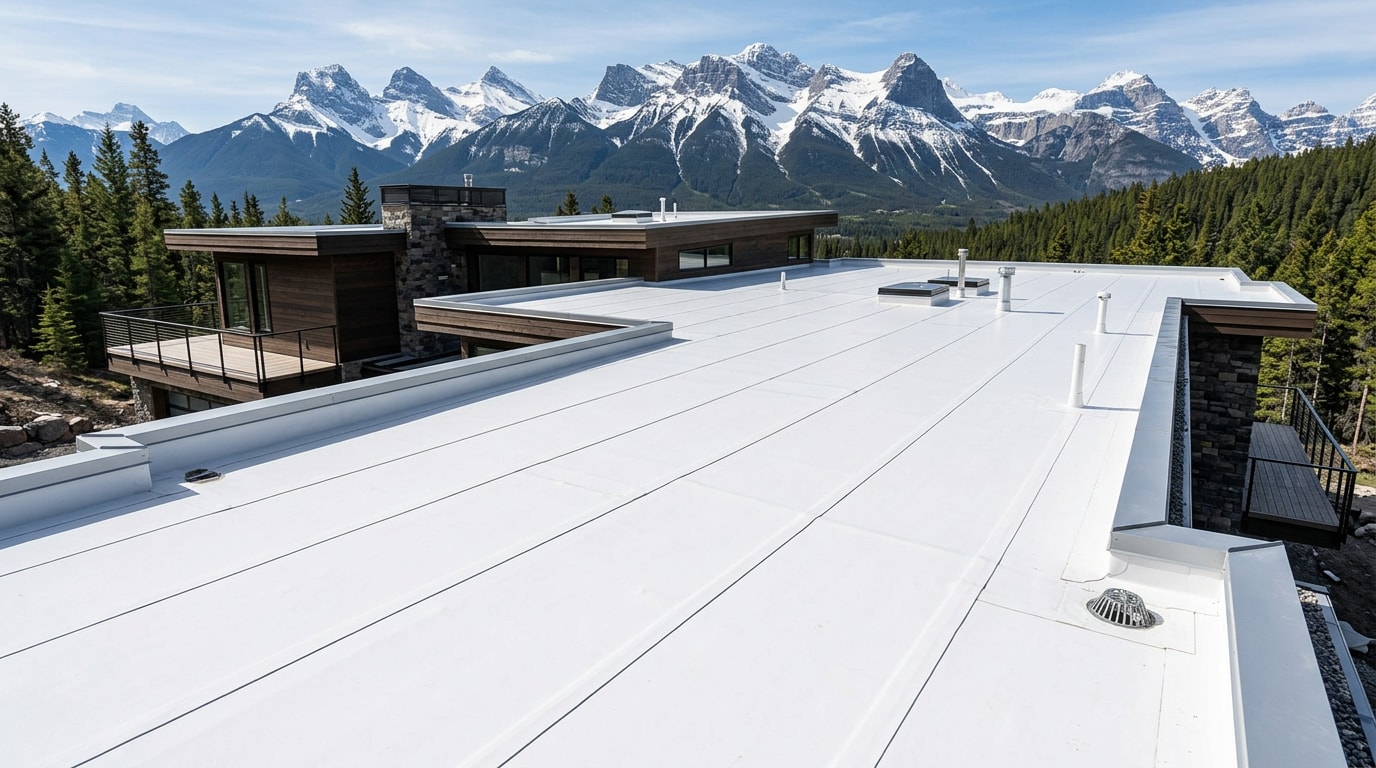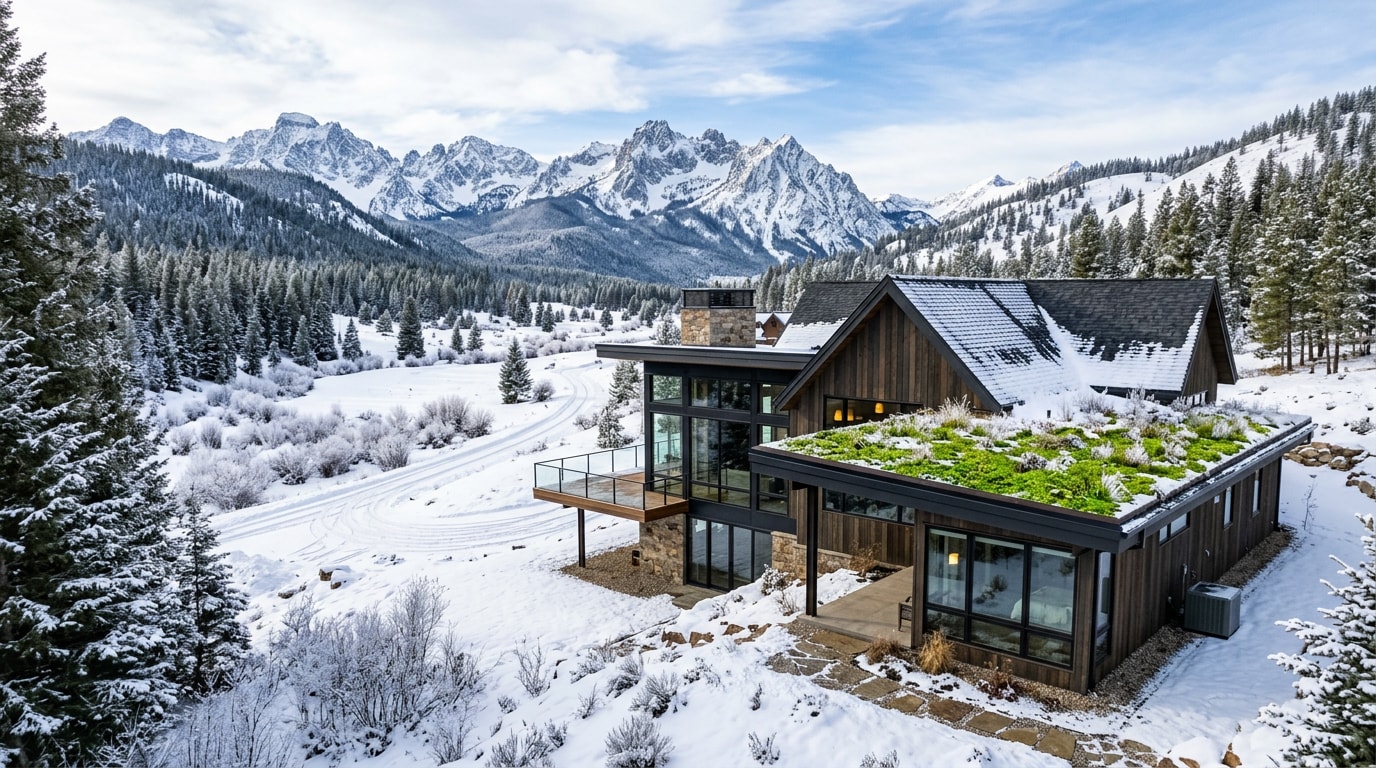
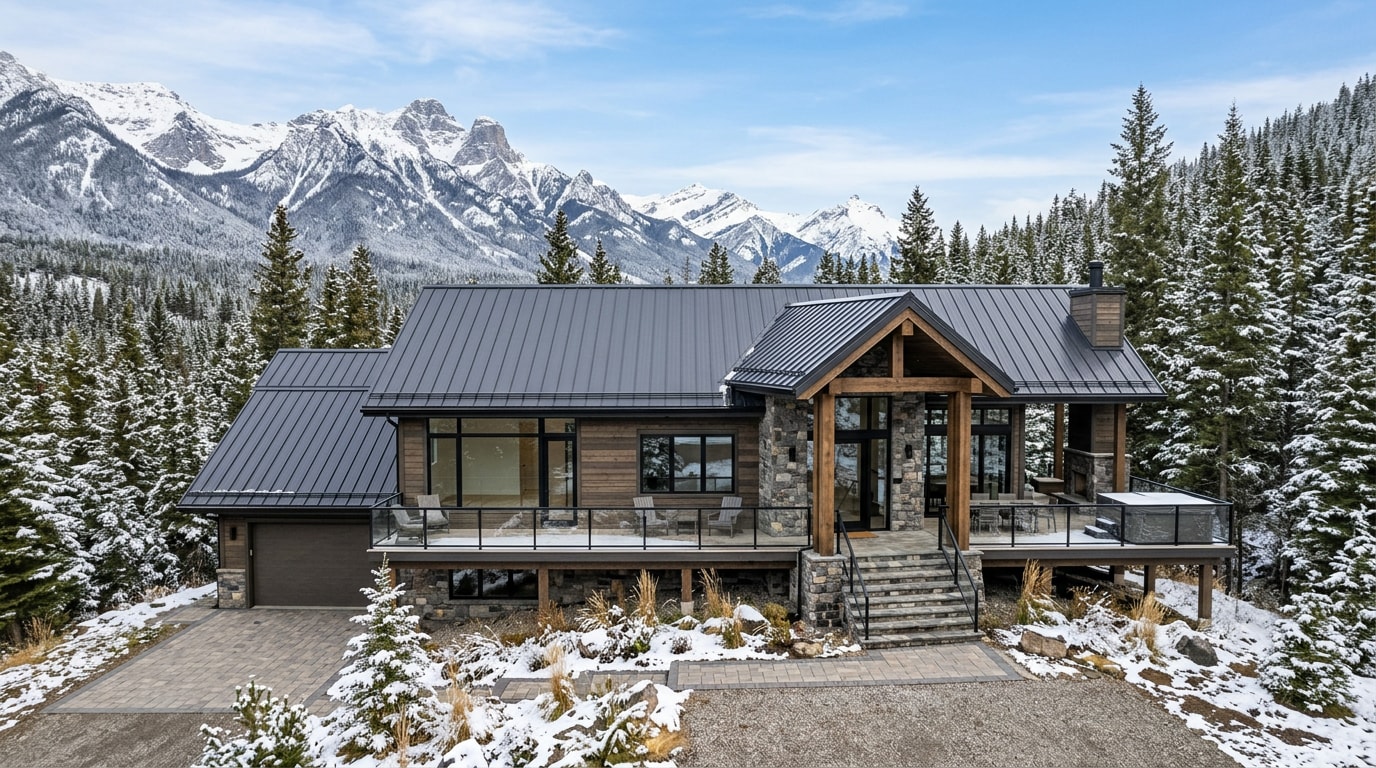
Are metal roofs better than shingles in Sun Valley, ID? For most Blaine County homes, yes, metal wins on snow performance and lifespan, but shingles still make sense for tighter budgets and shorter ownership timelines. Our crews at 208 Roofing Experts re-roof homes from Elkhorn to Hailey every winter, and the material question usually comes down to three things: how long you'll own the house, your upfront budget, and how much wildfire or snow-load risk your lot carries. Here's the full comparison, with real cost ranges and climate data, so you can decide with confidence.
Metal vs. Shingles at a Glance
| Factor | Metal Roofing | Asphalt Shingles |
|---|---|---|
| Upfront cost (installed) | Higher, roughly $9–$18 per sq ft | Lower, roughly $4–$8 per sq ft |
| Typical lifespan | 40–70 years | 15–20 years in Sun Valley's climate |
| Snow shedding | Sheds quickly off slick panels | Holds snow, higher ice-dam risk |
| Fire rating | Class A | Class A (product-dependent) |
| Best fit | Long-term owners, wildfire-exposed lots | Tighter budgets, shorter ownership |
Metal roofing covers standing seam panels, corrugated panels, and stamped metal shingles, usually steel, aluminum, or copper with a protective coating. Asphalt shingles come in 3-tab or architectural styles built from a fiberglass mat coated in asphalt and granules. Both go over solid decking and underlayment, so installation quality matters as much as material choice.
How Sun Valley's Climate Puts Roofing Materials to the Test
Sun Valley sits near 5,900 feet elevation, and the surrounding Wood River Valley deals with heavy snowpack, intense high-altitude sun, and dry, wildfire-prone terrain. That combination stresses roofing materials in ways milder climates rarely do.
Snow load is the biggest factor. Nearby Ketchum averages roughly 100 inches of snow a year, and higher elevations around Blaine County see even more. NOAA's U.S. Climate Normals data tracks these long-term averages for weather stations across Idaho, and they confirm this is one of the snowier pockets of the state.
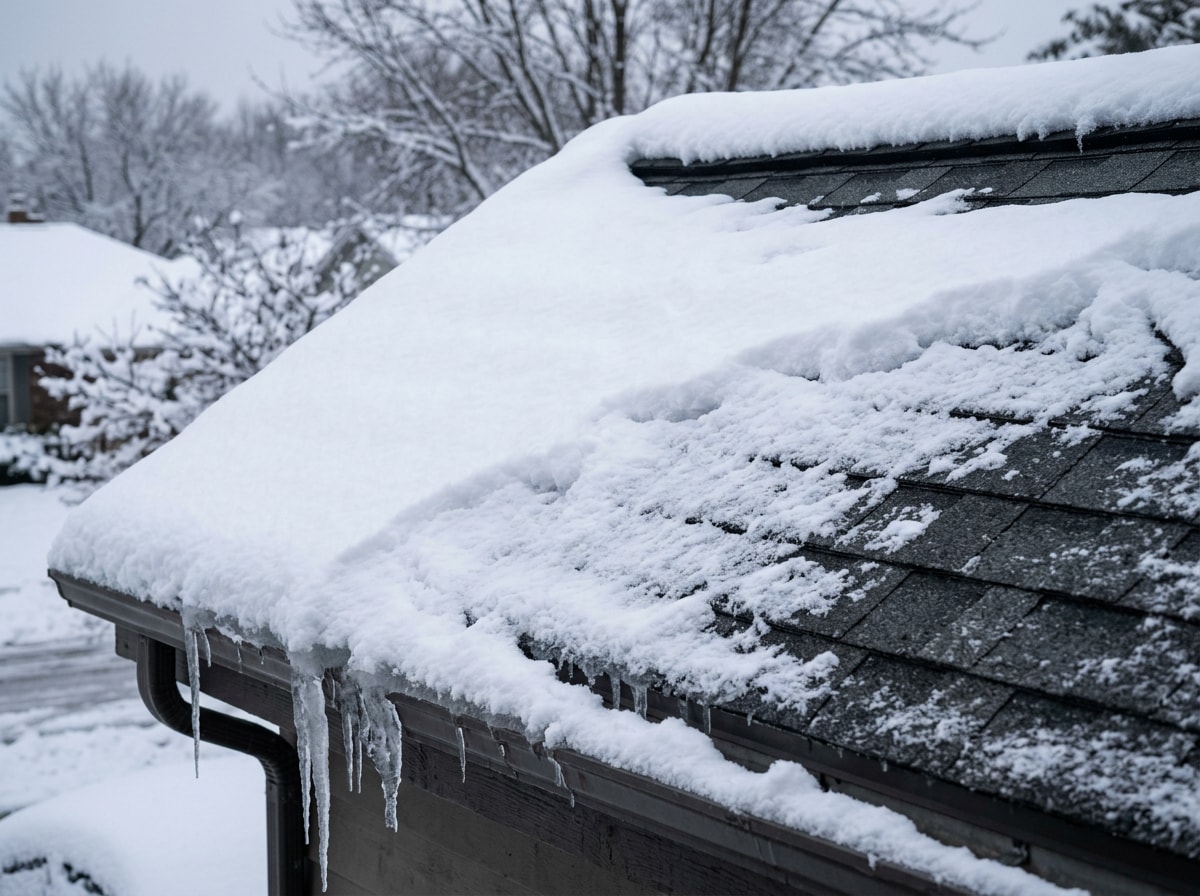
Metal sheds that snow quickly off its slick, continuous surface. Shingles hold snow longer, which adds weight and drives freeze-thaw cycling as melting snow refreezes along eaves.
That freeze-thaw action is a leading cause of granule loss and ice-dam leaks in mountain towns. If ice dams have already forced water under your shingles, our emergency roof repair and gutter repair teams handle that combination constantly in Hailey and Sun Valley homes. Our guide to roof and gutter repair in Hailey, ID breaks down the warning signs in more detail.
High-altitude UV exposure is the other factor locals underestimate. UV intensity increases with elevation, and it breaks down asphalt binders faster than it would at sea level. Quality metal coatings resist that degradation far longer. Wind is a smaller concern here than on the coasts, and moss or algae growth, common in wetter regions, is rare in Sun Valley's dry air.
Metal Roof vs. Shingles: Cost Analysis
Shingles cost less upfront in almost every case. Metal roof pricing varies more, depending on panel type, roof pitch, and how much tear-off is involved.
| Roof Size | Asphalt Shingles (installed) | Metal Roofing (installed) |
|---|---|---|
| 1,500 sq ft | $6,500 – $12,000 | $14,000 – $27,000 |
| 2,000 sq ft | $9,000 – $16,000 | $19,000 – $34,000 |
| 2,500 sq ft | $11,500 – $20,000 | $24,000 – $42,000 |
The shingle cost advantage is real in year one, but the math shifts over time. Because metal typically lasts two to three times longer than asphalt, the return often favors metal once you factor in one or two shingle replacements over the same stretch of years. Homeowners who plan to stay long-term tend to come out ahead financially with metal, even though the upfront bill is higher.
If you want a number specific to your home, a roof replacement{{SITE_URL}}/services/roofing-contractor/roof-replacement estimate based on your square footage and pitch will give a clearer picture than any general range. Get a free estimate and we'll walk you through both options side by side.
Performance and Durability: Which Lasts Longer?
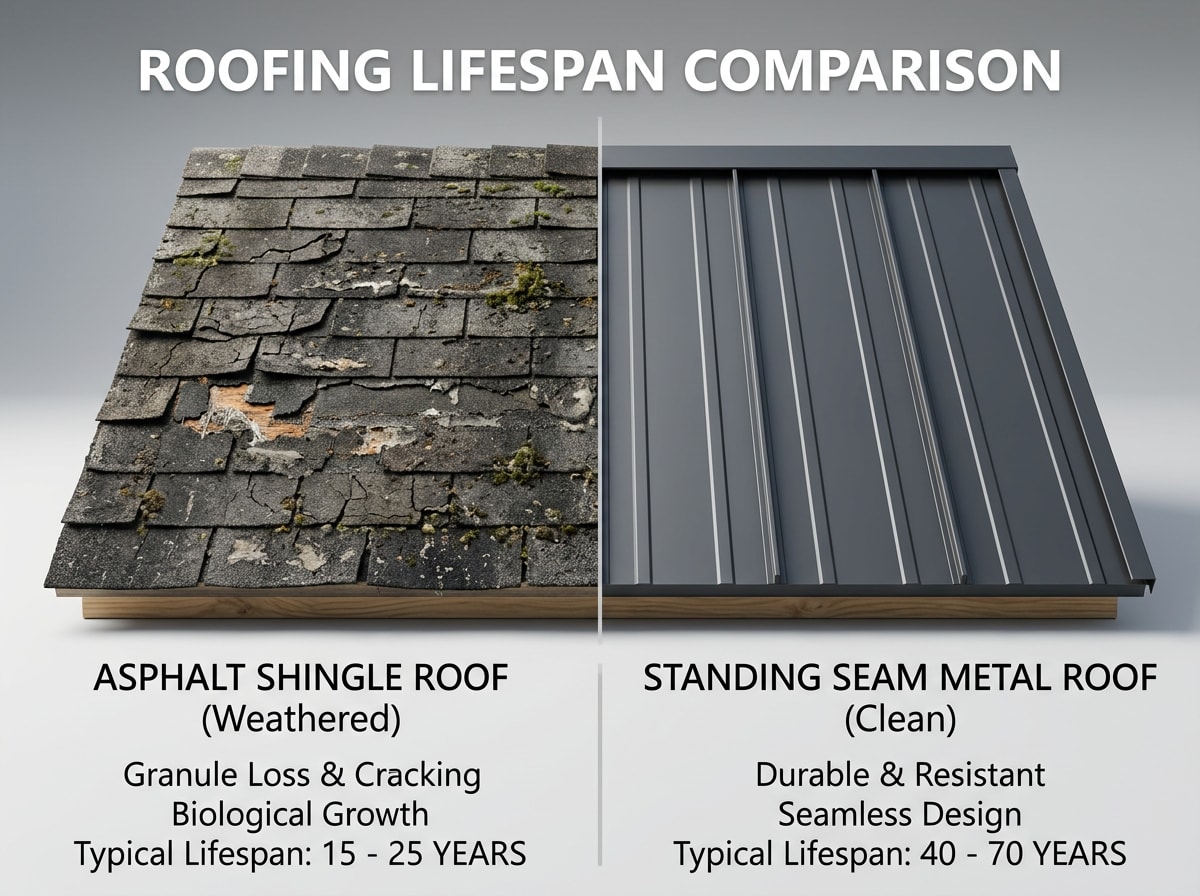
Asphalt shingles typically last 15 to 20 years in most climates, often closer to the lower end in Sun Valley given freeze-thaw cycling and intense UV exposure. Metal roofing commonly lasts 40 to 70 years, depending on material and coating quality.
That gap is the central argument in the "how long does a metal roof last" question homeowners keep searching. Shingle lifespan shortens faster at altitude because of UV breakdown and repeated freeze-thaw stress on granules and seams. Metal's durability comes down to resisting both of those specific stressors, not just general weather resistance.
Pros of Metal Roofs
Durability
Metal resists cracking, curling, and granule loss, the common shingle failure points. A well-installed steel or aluminum roof can outlast two or three shingle replacements over its service life, with minimal upkeep beyond periodic inspection.
Resistance to Extreme Weather
Metal panels handle hail better than standard shingles in most impact ratings, resist high-wind uplift thanks to continuous fastening patterns, and shed heavy snow quickly rather than holding it. That snow-shedding behavior matters directly for Sun Valley's seasonal loads, reducing stress on the structure underneath.
Energy Efficiency
Many metal roofing systems use reflective or cool-roof coatings that bounce solar radiation back instead of absorbing it. This can meaningfully cut cooling costs in sunnier months. The Department of Energy's cool roof guidance outlines which reflective roof products qualify for real energy savings.
Fire Resistance
Metal roofing carries a Class A fire rating, the highest available, which matters for homes near wildland-urban interface terrain common around Blaine County. Idaho Firewise's building materials guide lists metal among the top-performing roof coverings for homes in fire-prone areas.
Cons of Metal Roofs
Higher initial cost. The price gap between metal and shingles is the most common objection homeowners raise, and it's a fair one. See the cost table above for how that gap narrows over time.
Noise. Rain and hail noise on an uninsulated metal roof is a real concern, though it's often overstated. Solid decking and standard attic insulation, which most code-compliant installations already include, bring interior noise down to roughly the same level as a shingle roof.
Pros of Shingle Roofs
Lower initial cost. Shingles remain meaningfully cheaper upfront than most metal systems. For budget-constrained projects or short-term ownership plans, that lower cost can be the deciding factor.
Versatility. Shingle color options span dozens of shades and textures, which helps them blend naturally with a wide range of home designs, from traditional to modern mountain homes.
Easy installation. Shingle installation is faster and more familiar to the vast majority of roofing crews nationwide, which generally means shorter project timelines and broader contractor availability.
Cons of Shingle Roofs
Shingle lifespan tops out around 20 years in ideal conditions, often less in Sun Valley's freeze-thaw cycles and intense UV exposure. Shingles are also more prone to weather damage overall. Granule loss, cracking, and wind-lifted edges all accelerate replacement frequency in mountain climates compared to milder regions.
Style, Maintenance, and Value
A common myth claims shingles offer far more design versatility than metal, but that gap has narrowed. Modern metal roofing now comes in extensive color options and profiles that mimic shake, tile, or slate, giving homeowners real style flexibility while still gaining metal's durability. Either material, installed well, can boost curb appeal and home value.
Which Option Is More Environmentally Friendly?
Metal roofing is highly recyclable, and most products already contain a meaningful percentage of recycled content. A metal roof can be reprocessed at the end of its service life instead of heading to a landfill.
Shingle tear-offs, by contrast, are a major contributor to construction landfill waste, since asphalt shingles aren't easily recycled in most regions. For homeowners weighing sustainability as part of the decision, that disposal gap is one of the more overlooked differences between the two materials. Our roofing contractor team can walk you through both options if sustainability factors into your decision.
Myths and Misconceptions
Myth: Metal Roofs Attract Lightning
Metal doesn't attract lightning any more than other roofing materials. Lightning targets a structure's height and location, not its roofing surface. The Metal Construction Association's lightning research confirms a metal roof is no more or less likely to be struck than any other roof type, and if a strike does occur, metal's non-combustible, conductive nature helps disperse the charge safely.
Myth: Metal Roofs Will Rust
Modern metal roofing uses galvanized or galvalume coatings engineered to resist corrosion for decades. Rust concerns are largely a holdover from older, uncoated metal products, not a reflection of today's coating technology.
Which Roof Should You Choose?
The right answer depends less on which material is objectively "better" and more on your situation. Run through these questions before deciding:
- How many years do you plan to stay in the home? Short-term owners often favor shingles' lower upfront cost; long-term owners usually recoup metal's price premium.
- What's your upfront budget ceiling? If cash flow matters more than lifetime cost, shingles remain the practical choice.
- Do HOA or architectural guidelines restrict materials? Some mountain communities have specific requirements worth checking before you commit.
- How exposed is your property to wildfire risk? Homes closer to wildland terrain benefit disproportionately from metal's Class A rating.
A professional roof inspection will tell you how much life is left in your current roof and whether a full roof replacement or targeted roof repair makes more sense right now.
Whichever direction fits your situation, our team at 208 Roofing Experts serves homeowners throughout Sun Valley and the Wood River Valley with both metal and shingle roof installation. Get a free estimate tailored to your home's size, pitch, and location, and we'll give you real numbers instead of national averages.
FAQ
Is Metal Roofing More Expensive Than Shingles?
Yes, metal costs more upfront than shingles in nearly all cases, often by roughly double per square foot. Metal's longer lifespan and lower long-term maintenance frequently offset that gap over the roof's full service life, especially in a demanding climate like Sun Valley's.
How Much Does a Metal Roof Cost on a 1,500 Square Foot House?
Expect roughly $14,000 to $27,000 installed, depending on panel type, roof pitch, and labor rates. Standing seam systems sit at the higher end of that range, while corrugated or stamped metal shingles come in lower. Get a free estimate for pricing specific to your roof.
What Is the Lifespan of a Metal Roof Compared to Shingles?
Metal roofs typically last 40 to 70 years, while shingle roofs typically last 15 to 20 years depending on climate and installation quality. That gap widens further in high-altitude, freeze-thaw-heavy climates like Sun Valley's, where shingles tend to wear faster than the national average.
Do Metal Roofs Rust Over Time?
Modern steel and aluminum panels use galvanized or galvalume coatings designed to resist corrosion for decades. Rust is mainly a concern with older, uncoated metal roofing, not current products installed by a qualified contractor.
Is a Metal Roof Noisy During Rain or Hail?
Not when installed correctly. Solid decking and standard attic insulation, both standard on code-compliant installs, bring interior noise down to roughly the same level as a shingle roof.
How Do Insurance Companies Feel About Metal Roofs?
Many insurers offer discounts for metal roofing because of its impact resistance and Class A fire rating, both of which lower claim risk. Homeowners in wildfire-adjacent areas or hail-prone regions may see the biggest premium reductions, though specific discounts vary by carrier and policy.
Why Don't More People Use Metal Roofs?
Upfront cost is the biggest barrier. Metal's higher installed price turns away budget-focused buyers even when long-term value favors it. Installer availability is a secondary factor, since fewer crews specialize in metal panel installation compared to the widespread familiarity with asphalt shingles.