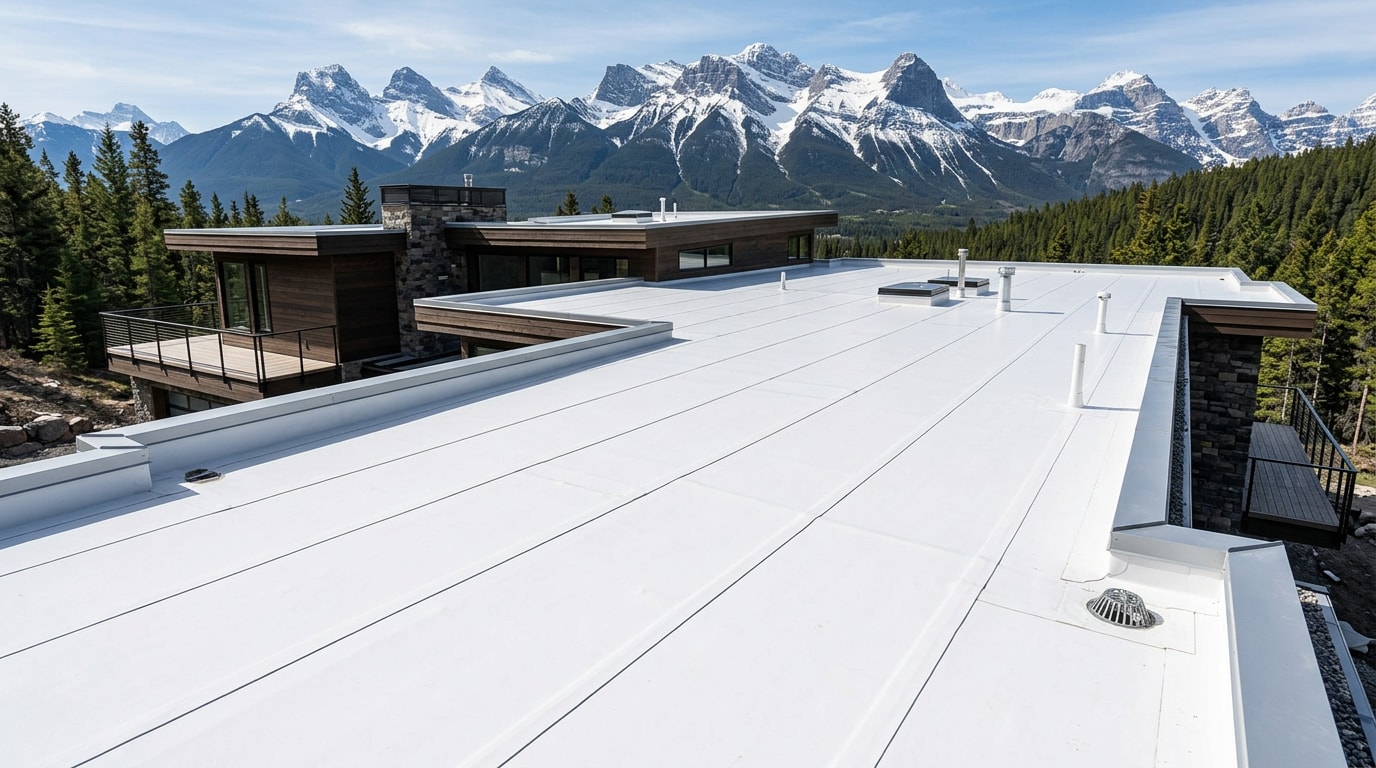
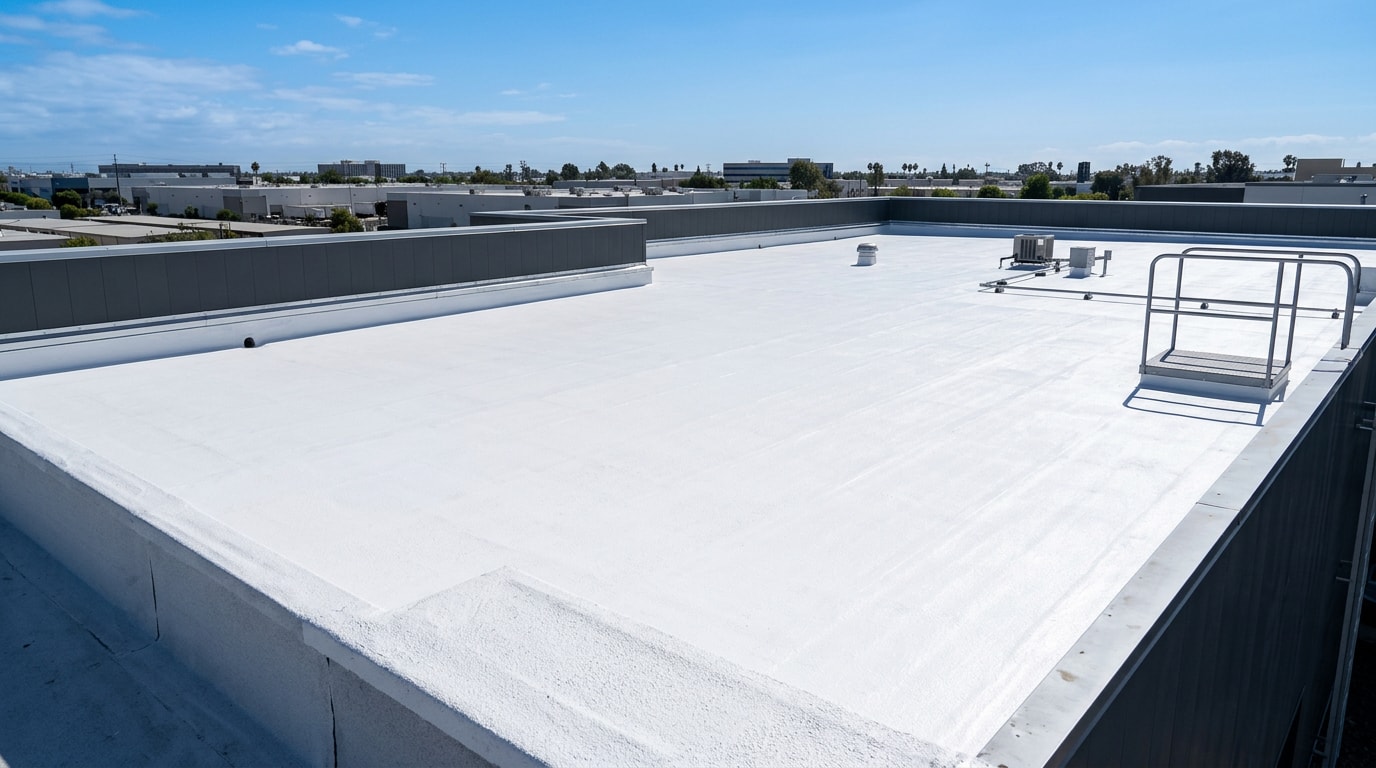
Hiring the right roof coating contractors Nampa, ID homeowners trust can turn a roof that's past its prime into one with another decade of service, without the expense of a full tear-off. This guide breaks down what liquid-applied coatings cost in 2026, how they perform against Treasure Valley weather, and when coating makes more sense than replacement. Keep reading before you request a quote.
Is a Roof Coating Worth It for Your Nampa Roof?
A roof coating makes sense when the existing roof is structurally sound, under roughly 20 years old, and free of major substrate damage. In that scenario, coating delivers strong value at a fraction of what a new roof system costs.
It's a weaker option if there's already widespread leaking, rotted decking, or the roof is near the end of its service life. A short on-site inspection is the only reliable way to know which category your roof falls into, and it's the first thing our roofing contractor team checks before recommending coating over replacement.
If you'd rather skip the guesswork, get a free estimate and we'll tell you straight whether your roof qualifies.
How Much Does Roof Coating Cost in Nampa, ID?
Coating costs vary by system, but most residential and light commercial jobs fall within a predictable range. Here's a general breakdown by coating type:
| Coating Type | Installed Cost (per sq. ft.) | Typical Lifespan |
|---|---|---|
| Acrylic | $0.50 – $3.00 | 7 – 10 years |
| Silicone | $1.50 – $4.50 | 10 – 15 years |
| Polyurethane | $1.50 – $4.00 | 15 – 20 years |
| Asphalt / bitumen-based | $1.00 – $2.50 | 5 – 10 years |
Compare that to a full tear-off and replacement, which commonly runs $4 to $12 or more per square foot once labor, disposal, and new materials are factored in. A 2,000-square-foot roof that might cost $8,000–$20,000+ to replace can often be coated for a fraction of that upfront, though the gap narrows if substrate repairs or extra prep are needed first.
Roof size, existing roof condition, and which coating type fits your substrate all move the final number. That's why we recommend a walk-through quote over a phone estimate for anything beyond a small section. If a leak is active right now, emergency roof repair should come first, coating second.
What a Professional Roof Coating Actually Does
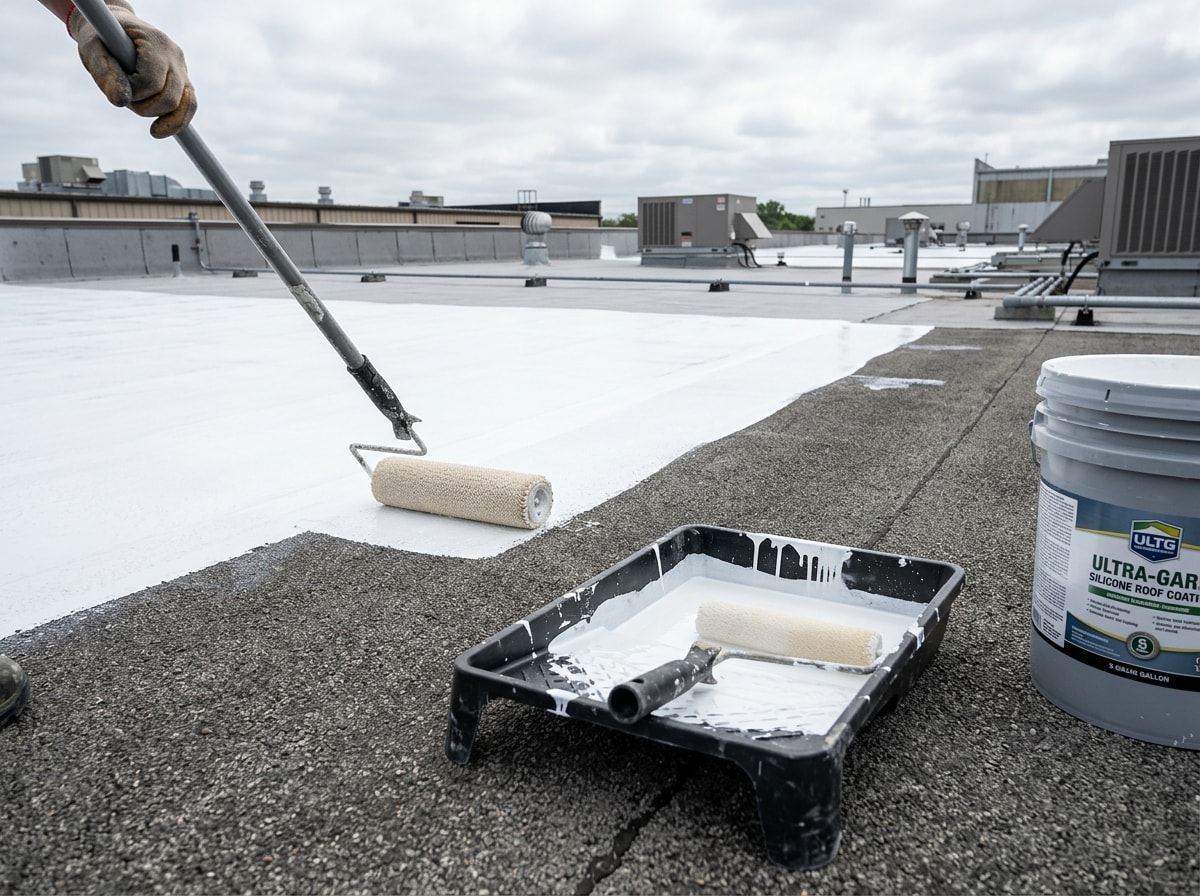
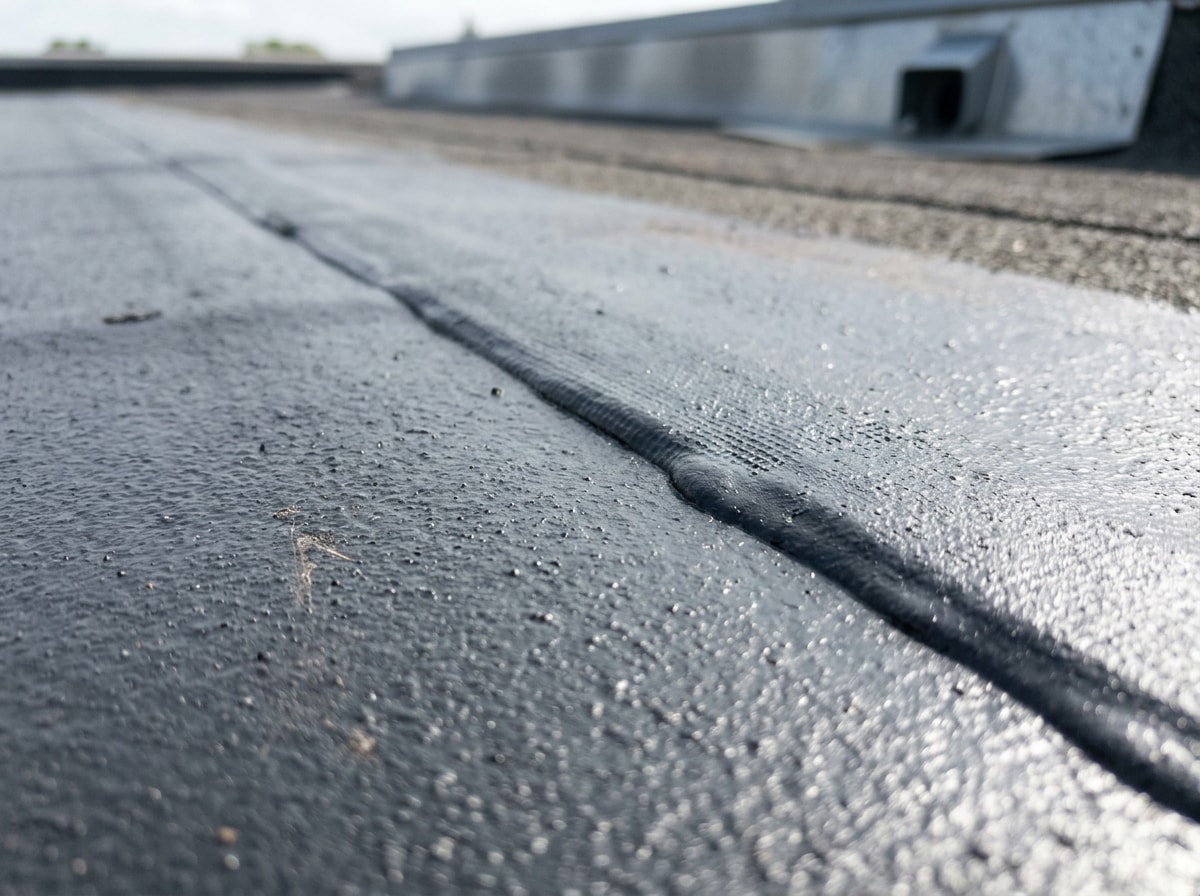
A fluid-applied coating does three structural jobs at once:
- Seals existing seams, fasteners, and flashing points before they become active leaks
- Waterproofs the entire roof surface with a seamless, monolithic membrane
- Extends usable life on a roof that might otherwise be headed for early replacement
Traditional roofing systems rely on seams, flashing joints, and fasteners, which are common points where leaks start. A properly applied coating eliminates many of those weak points by forming one continuous layer rather than a patchwork of materials. The Roof Coatings Manufacturers Association notes that a reflective coating application reduces surface temperature and heat transfer into the building while also acting as a first line of defense against water penetration.
Built to Flex With Treasure Valley Weather
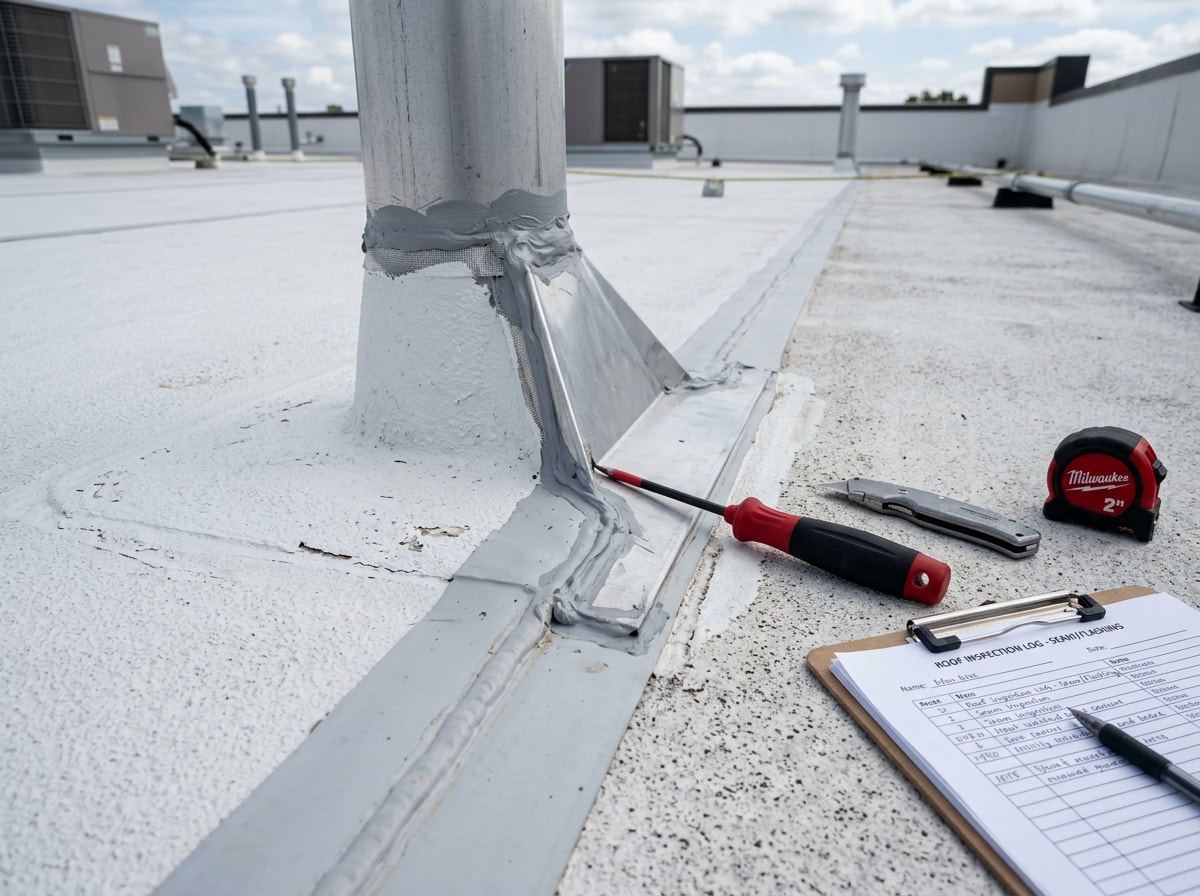
A quality coating needs to flex with temperature swings without cracking, adhere tightly to the substrate, and resist pooling water on flat or low-slope roofs. Nampa's hot, dry summers followed by freeze-thaw winters put real stress on roofing materials, so durability has to work in both directions, not just one season. If a leak already tracks back to flashing rather than the field membrane, our flashing guide for Nampa roofs walks through the signs and repair costs separately.
Works Across Metal, Membrane, and Flat Roof Surfaces
Fluid-applied coatings can typically be applied to:
- Metal roofing
- Single-ply membranes (TPO, EPDM)
- Modified bitumen
- Concrete decks
Not every coating formula suits every substrate, so a substrate-specific check is still necessary to confirm proper adhesion. Flat and low-slope roofs are especially strong candidates, since they're most prone to ponding water and UV breakdown. If your flat roof is further along than a coating can help, our flat roofing replacement guide covers what a full system swap involves.
Energy Savings & Eco-Friendly Benefits of Reflective Coatings
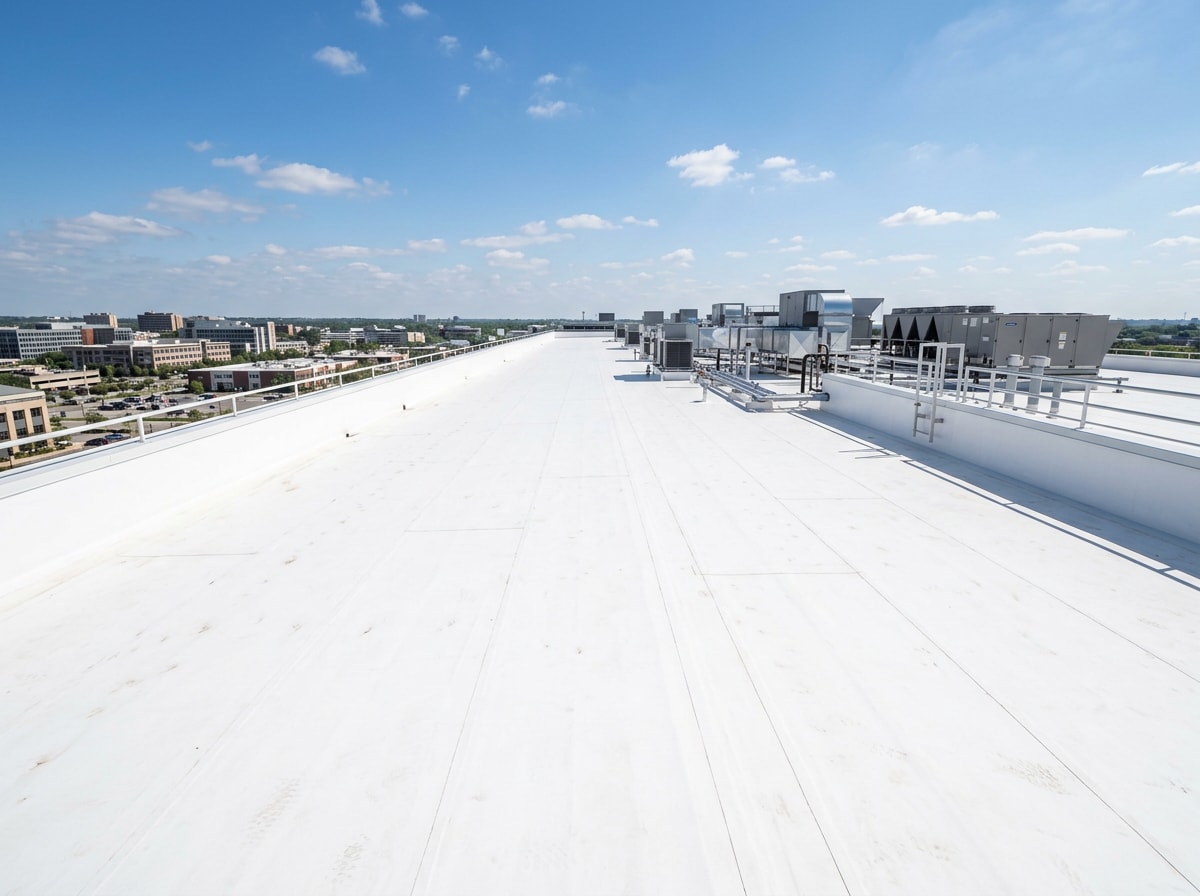
Reflective, or "cool roof," coatings bounce solar radiation away from the building instead of absorbing it, which keeps rooftop and interior temperatures lower during summer. The U.S. Department of Energy notes that installing a cool, reflective roof surface can "shave at least 5 to 20% from the cooling costs of your energy bill," though actual savings depend on insulation levels and HVAC efficiency.
Beyond energy use, many modern coatings use low-VOC formulations that reduce off-gassing during and after application, which matters on occupied buildings. Coating over an existing roof instead of tearing it off also keeps old roofing material out of the landfill.
Climate-Specific Coating for Idaho's Seasonal Swings
Nampa's climate swings from dry, triple-digit summer heat to freeze-thaw winter cycles and occasional hail, conditions that stress roofing materials differently throughout the year. Coating formulations and application timing can be adjusted for these patterns, balancing UV resistance for summer against flexibility for winter contraction. A generic, one-size-fits-all coating plan rarely performs as well locally as one specified for Treasure Valley conditions.
Hiring a Licensed Roof Coating Contractor in Nampa, ID
Idaho doesn't issue a trade-specific roofing license, but it does require contractor registration. The Idaho Division of Occupational and Professional Licenses confirms that the Idaho Contractor Registration Act "requires registration, not licensure," and applies to any job over $2,000 in combined labor and materials.
Before signing a contract, ask for the registration number and confirm it's active. Coating warranties are also often tied to certified, manufacturer-trained installation, so it's worth asking who on the crew is certified for the specific product being applied, not just the company name on the invoice.
Commercial coating work adds another layer of complexity: loading docks, parapet walls, HVAC curbs, and drainage systems that residential jobs rarely touch. Understanding how those features interact so water is directed away rather than trapped is a separate skill from field-membrane work. Our roof inspection service covers both residential and commercial roofs before any coating bid goes out.
Service Areas We Cover
Beyond Nampa, coating services commonly extend across the Treasure Valley. Check our pages for Nampa, ID, Boise, ID, and Meridian, ID to confirm coverage near you, or visit our homepage for the full list of service areas.
If your roof needs more than a coating, say full replacement or a new installation, our roof replacement and roof installation pages outline those options directly.
FAQ
Is a roof coating worth it?
Usually, when the roof is structurally sound, under about 20 years old, and free of major substrate damage. It's less worth it with widespread leaks, rotted decking, or a roof already near the end of its service life. An inspection settles the question faster than guessing.
How much does roof coating cost in Nampa, ID?
Most jobs fall between $0.50 and $4.50 per square foot installed, depending on the coating type and prep work needed. A full replacement typically runs $4 to $12 or more per square foot, which is why coating is usually the cheaper short-term move on a sound roof.
How long does elastomeric roof coating last?
Elastomeric coatings generally last 10 to 20 years, though the exact figure depends heavily on UV and freeze-thaw exposure rather than a fixed number. In Idaho's climate, durability tends to land toward the middle of that range unless recoating is scheduled proactively.
Does roof coating stop leaks?
A properly applied coating seals seams, fasteners, and small cracks, which stops many leak sources before they spread. It won't fix structural damage, rotted decking, or a membrane that's already failed, those need repair or replacement first.
What's the best roof coating for Idaho weather?
Silicone and polyurethane coatings generally hold up better against the freeze-thaw cycling and occasional ponding water common in the Treasure Valley than basic acrylic systems. The right choice still depends on the existing substrate and roof slope.
How long do metal roofs last?
A well-installed metal roof typically lasts 40 to 70 years depending on the metal type and maintenance history. Adding a coating partway through that lifespan can further extend durability by sealing seams and reducing rust-causing moisture exposure.