A flashing roof Nampa, ID problem usually starts small: a hairline gap at the chimney base or a lifted corner in a valley seam. Left alone, that gap turns into a ceiling stain, soaked attic insulation, and a repair bill that grows every month it sits unfixed. This guide covers the warning signs, real 2026 repair costs, and exactly what to check before you hire someone to fix it.
Warning Signs of Flashing Damage on Nampa Roofs
Flashing fails quietly before it fails visibly. By the time you see a stain on the ceiling, water has usually been getting past the metal for weeks or months.
Watch for these signs:
- Rust streaks running down from metal joints at the chimney or vent pipes
- Flashing edges that have visibly lifted, curled, or separated from the roof deck
- Cracked or missing caulk where flashing meets brick, siding, or shingles
- Water stains on ceilings or walls near chimneys, skylights, or dormers
- Daylight visible through gaps around roof penetrations when viewed from the attic
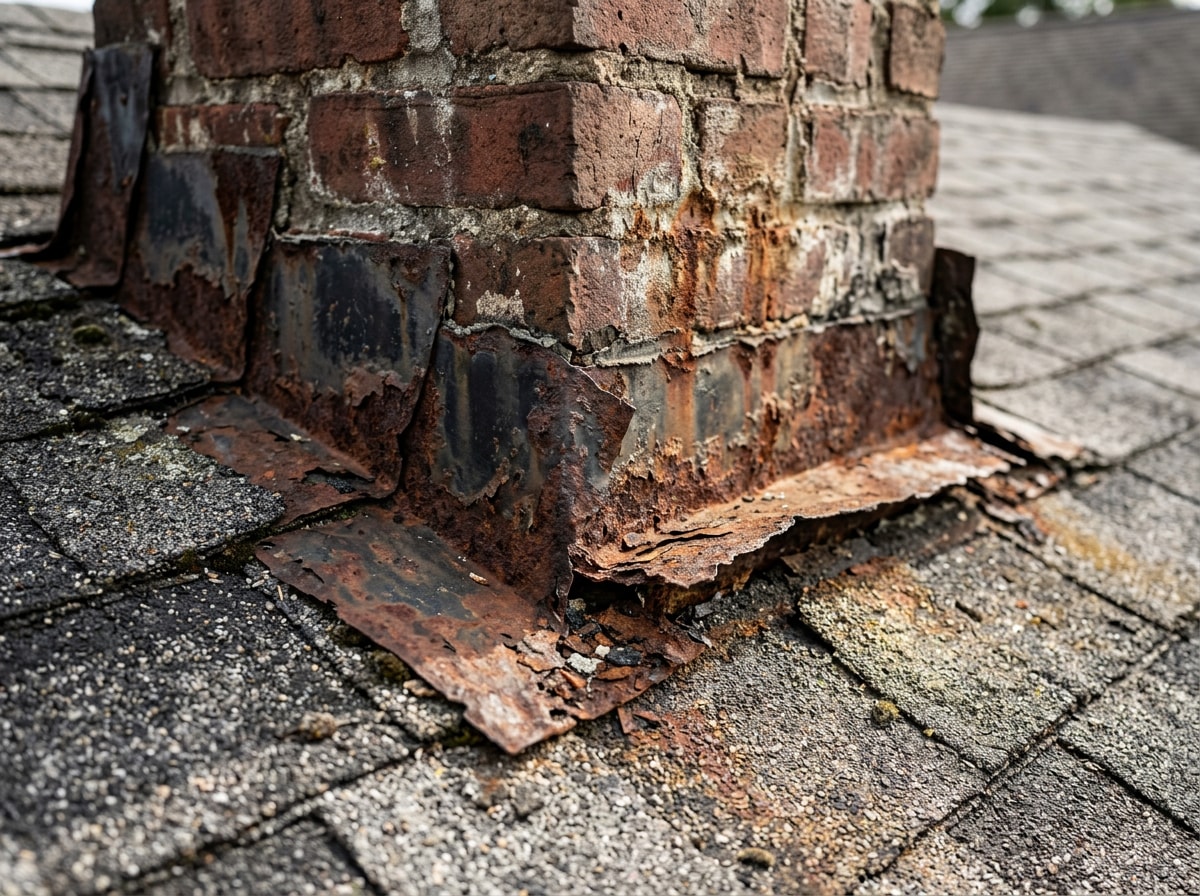
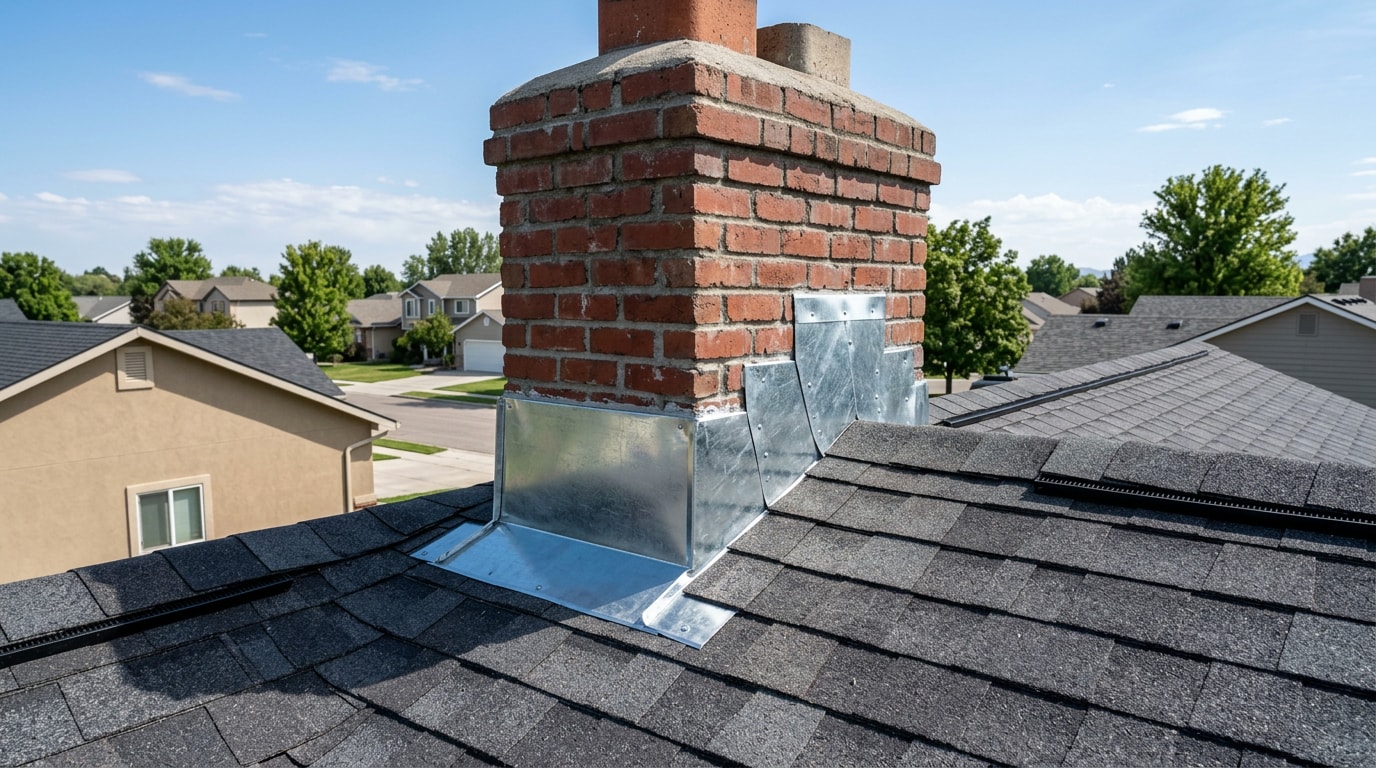
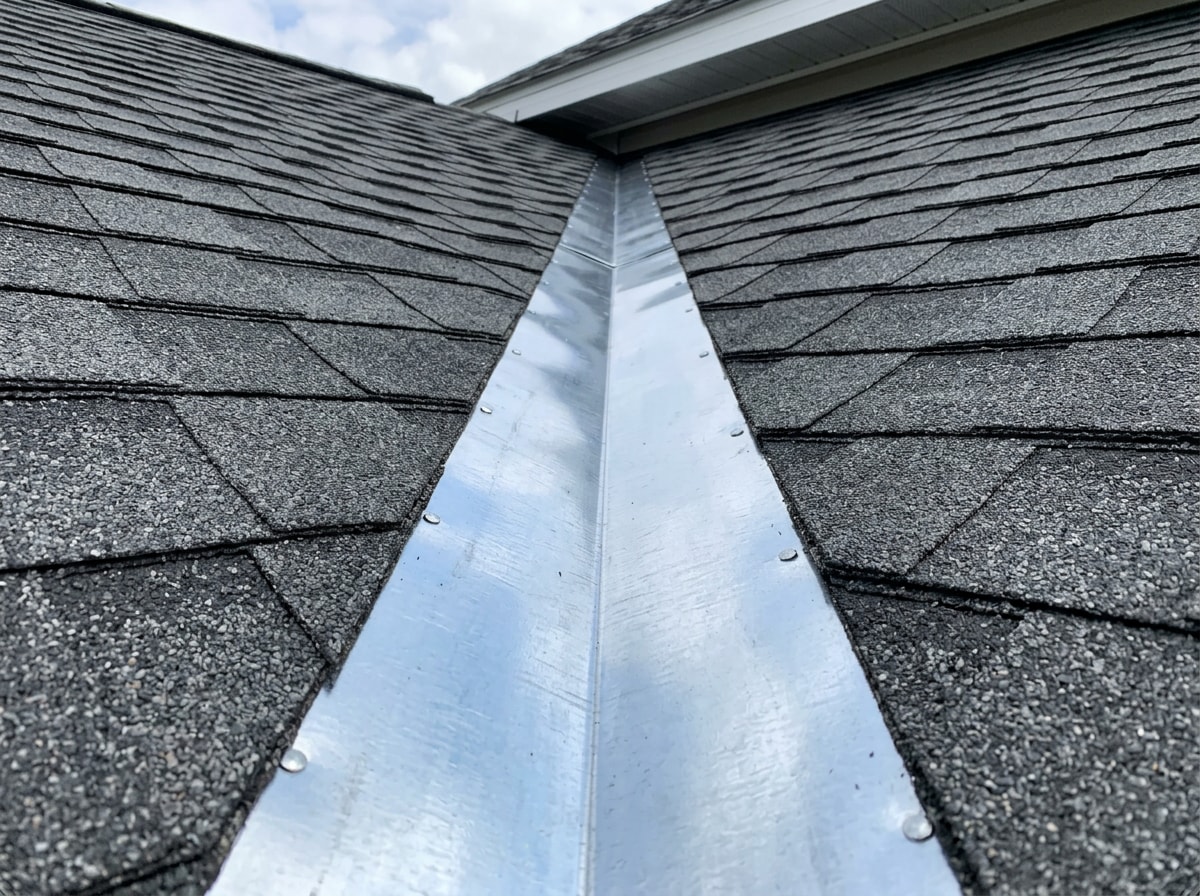
The most frequent failures show up at chimneys, roof valleys, and step flashing around dormers. Chimney flashing tends to go first because it relies on caulk or cement that dries out and cracks under UV exposure. Valley flashing carries the heaviest water volume during spring runoff, so it corrodes or lifts at the seams faster than flat-roof flashing. Step flashing around dormers is smaller and easier for installers to rush, which is why gaps there are common on older Nampa homes.
If you've spotted any of these signs, a professional roof inspection will confirm whether the damage is isolated to the flashing or has already spread into the decking underneath.
What Drives Flashing Failure in Nampa's Climate
Nampa's weather swings hard between seasons, and that swing is the main reason flashing fails here faster than in milder climates. Nampa averages about 11.1 inches of rain and 9.9 inches of snow in a typical year , which sounds modest until you factor in the temperature extremes on either side of that precipitation.
Summers push past 90°F while winter nights drop well below freezing. That repeated expansion and contraction loosens fasteners and breaks the seal between flashing and roofing material over time, even when total rainfall stays low. Snowmelt concentrates the stress: a light winter snowpack that melts fast in a warm spell sends more water through a compromised seam than steady year-round rain ever would.
This is why flashing repair calls in the Treasure Valley tend to cluster in two windows: right after spring snowmelt reveals leaks that formed over winter, and again in early fall as homeowners prep for the next cold season. Scheduling an inspection before either rush hits usually means a shorter wait and a smaller repair bill.
Flashing Repair Cost in Nampa, ID
Cost depends on how many penetrations need work, what the flashing is made of, and whether rot has spread into the decking underneath.
| Repair Type | Typical Cost Range |
|---|---|
| Single chimney flashing resealing | $200 – $450 |
| Chimney flashing replacement | $400 – $800 |
| Valley flashing section repair | $350 – $700 |
| Step flashing replacement (per dormer) | $300 – $650 |
| Extensive flashing repair with deck repair | $800 – $1,500+ |
Material choice moves these numbers too:
- Galvanized steel is the most common, budget-friendly option and typically lasts 20 to 25 years.
- Aluminum sits in the middle on cost and resists corrosion well in most climates.
- Copper costs two to three times more than galvanized steel upfront but can last 50 years or longer with minimal maintenance.
For most Nampa homes, galvanized steel or aluminum offers the best value unless you're matching an existing copper installation or planning to stay in the home long-term.
What to Expect During a Flashing Repair Visit
A typical repair follows the same basic sequence regardless of where the damage is:
- Inspection – the contractor confirms the damage is limited to flashing and checks surrounding decking for soft spots or rot.
- Scope and quote – you get a written estimate that breaks out material, labor, and any decking repair needed.
- Removal – old flashing, cracked sealant, and any compromised fasteners come off.
- Installation – new flashing is cut, bent, and fitted, then integrated with the surrounding shingles or roofing material.
- Final check – the crew re-checks the seal and nearby areas before calling the job done.
Before you call a roofer, take a few clear photos of the damaged area from a safe vantage point, note roughly when you first noticed the issue, and have your roof's age handy. Knowing the approximate location of a leak inside the home, like a specific ceiling corner, also helps a roofer trace the problem back to its source faster.
Most flashing repairs cover one of three related jobs: chimney flashing repair, valley or step flashing replacement, or resealing where the metal itself is sound but the caulk has failed. Ask which one applies to your situation so you're not paying for more than you need. Our roof repair services page breaks down how these jobs typically scope out.
If a leak is active right now, don't wait for a scheduled appointment. Emergency roof repair can get a tarp or temporary seal in place before water spreads further into the attic.
Repair or Replace? How to Decide
Isolated flashing damage on a roof under 15 years old is usually worth repairing. An older roof with multiple failing systems, curling shingles, and flashing issues in several spots often makes more financial sense to replace outright rather than patch repeatedly.
If you're weighing that decision, a roof replacement consultation can give you real numbers to compare against ongoing repair costs. Homeowners planning a reroof sometimes choose to upgrade shingle style at the same time; our guide on installing architectural shingles in Nampa walks through what that process looks like.
Why Proper Flashing Matters More Than It Looks
Flashing is a small part of a roof system, but it does most of the work at the spots where water pressure is highest: valleys, chimneys, and anywhere a vertical surface meets the roof plane. Flashings shall be installed at wall and roof intersections, wherever there is a change in roof slope or direction and around roof openings, and a flashing shall be installed to divert water away from where the eave of a sloped roof intersects a vertical sidewall , per the International Residential Code. That requirement exists because these exact spots fail reliably without it, not as a formality.
Dry insulation performs better, which keeps energy bills predictable. Dry framing resists mold and structural decay, a far more expensive problem than a flashing repair ever is.
Hiring a Roofer in Idaho: What to Check First
The Idaho Contractors Board began transitioning to biennial registration as of October 14, 2025 , so confirming a roofer's current registration status is a reasonable first step before signing anything. You can look up a contractor's status directly through the Idaho Division of Occupational and Professional Licenses.
Beyond registration, ask for proof of liability insurance, since flashing work often means climbing near chimneys and roof edges. Get two or three quotes before committing, and ask each contractor specifically about their experience with flashing repair rather than general roofing. A legitimate, experienced roofer won't hesitate to share registration and insurance details.
Full Roofing Services for Nampa Homeowners
Flashing repair is one piece of a roof's maintenance over its lifetime. A roofer who handles flashing well usually also offers inspections, shingle and underlayment repair, full replacement, and gutter work, which simplifies planning when more than one issue shows up at once.
Bundling a flashing repair with a general inspection often catches small problems before they become major ones. Browse our roofing contractor services page for the full list, or check out 208 Roofing Experts if you're comparing options for Nampa-area work. We also serve nearby Nampa, ID neighborhoods and the surrounding Treasure Valley.
Request a Flashing Inspection in Nampa
If you've noticed rust streaks, lifted metal, or a stain creeping across your ceiling, don't wait on it. A thorough inspection checks chimney flashing, valleys, step flashing, and surrounding shingles for wear, then gives you a clear estimate before any work starts.
Contact us for a free estimate and get a straightforward read on what your flashing actually needs.
FAQ
How long does roof flashing repair take in Nampa?
Most flashing repairs take half a day to a full day, depending on the number of penetrations and weather conditions during the visit. Jobs involving extensive rot or multiple roof sections can stretch to two days.
How urgent is roof flashing repair?
Treat it as urgent. Water intrusion spreads into insulation and framing even when the visible leak looks minor. Active dripping, visible mold, or sagging ceiling drywall mean it shouldn't wait for a convenient time.
Should I repair or replace my roof because of flashing damage?
It depends on roof age and how widespread the damage is. A roof under 15 years old with isolated flashing damage is usually a good repair candidate. An older roof with multiple failing systems is often more cost-effective to replace outright.
How much does roof flashing repair cost in Nampa?
Expect a range from roughly $200 for a single resealing job to $1,500 or more for extensive step flashing replacement with underlying wood repair. Material choice, roof pitch, and accessibility are the main cost drivers.
What causes flashing to fail on Nampa roofs?
Repeated expansion and contraction from Nampa's wide temperature swings loosens seals and fasteners over time. Spring snowmelt then forces water through those weakened spots, which is why flashing failures often surface right after winter.
Can I repair roof flashing myself?
Minor resealing with roofing caulk is within reach for a confident DIYer on a low-slope, easily accessible roof. Full flashing replacement, valley work, or anything requiring removing shingles is best left to a professional, since a poor seal can cause more damage than the original problem.
What license should a roofer have in Idaho?
Idaho roofers working on residential property should carry current contractor registration through the Idaho Contractors Board and valid liability insurance. Ask to see both before signing a contract.
About the Author
This guide was reviewed by the team at 208 Roofing Experts, a Treasure Valley roofing contractor that services flashing, shingle, and gutter systems across Nampa, Boise, and Meridian. Our crews see the same handful of flashing failure points on nearly every service call in this region, chimneys, valleys, and dormers, which is why those are the first three spots we check on every inspection. Questions about a specific roof? Reach out through our contact page.