If you're typing "residential metal roofing contractors near me" into a search bar from Boise, you're probably standing under a damaged roof or planning ahead before the next snow season hits. Treasure Valley's freeze-thaw winters and triple-digit summer afternoons wear out asphalt shingles faster than most homeowners expect, which is why more local roofs are going steel. Here's how to tell a contractor worth hiring from one that's just chasing your lead, plus the panel systems, warning signs, and local code details that actually matter.
How to Vet a Residential Metal Roofing Contractor in Boise
Before you hand anyone a deposit check, confirm three things: a current Idaho contractor license, active liability insurance, and a physical address in the Treasure Valley, not just a call center number. Ask for photos of a completed standing seam job within the last year, not stock renderings.
A contractor who's walked foothills rooflines in January snow knows things a generic sales rep doesn't, like which valleys ice-dam first and which fastener patterns loosen under freeze-thaw cycling. Our crews install metal roofing across Ada County and the surrounding valley, and the question we hear most from switchers isn't "will this work" but "why didn't I do this sooner."
Financing options and a written, itemized estimate (not a verbal ballpark) are also good signs you're dealing with an established local roofing contractor rather than a storm-chasing crew passing through for the season.
(Note: links below use the on-site token exactly as provided; do not resolve it to a live URL.)
Types of Metal Roofing Systems We Install
Boise homeowners generally choose between three systems. Each trades upfront cost against long-term maintenance.
| System | Fastener Type | Typical Lifespan | Best For |
|---|---|---|---|
| R-Panel (exposed fastener) | Screws driven through the panel face | 30-45 years | Shops, outbuildings, budget rebuilds |
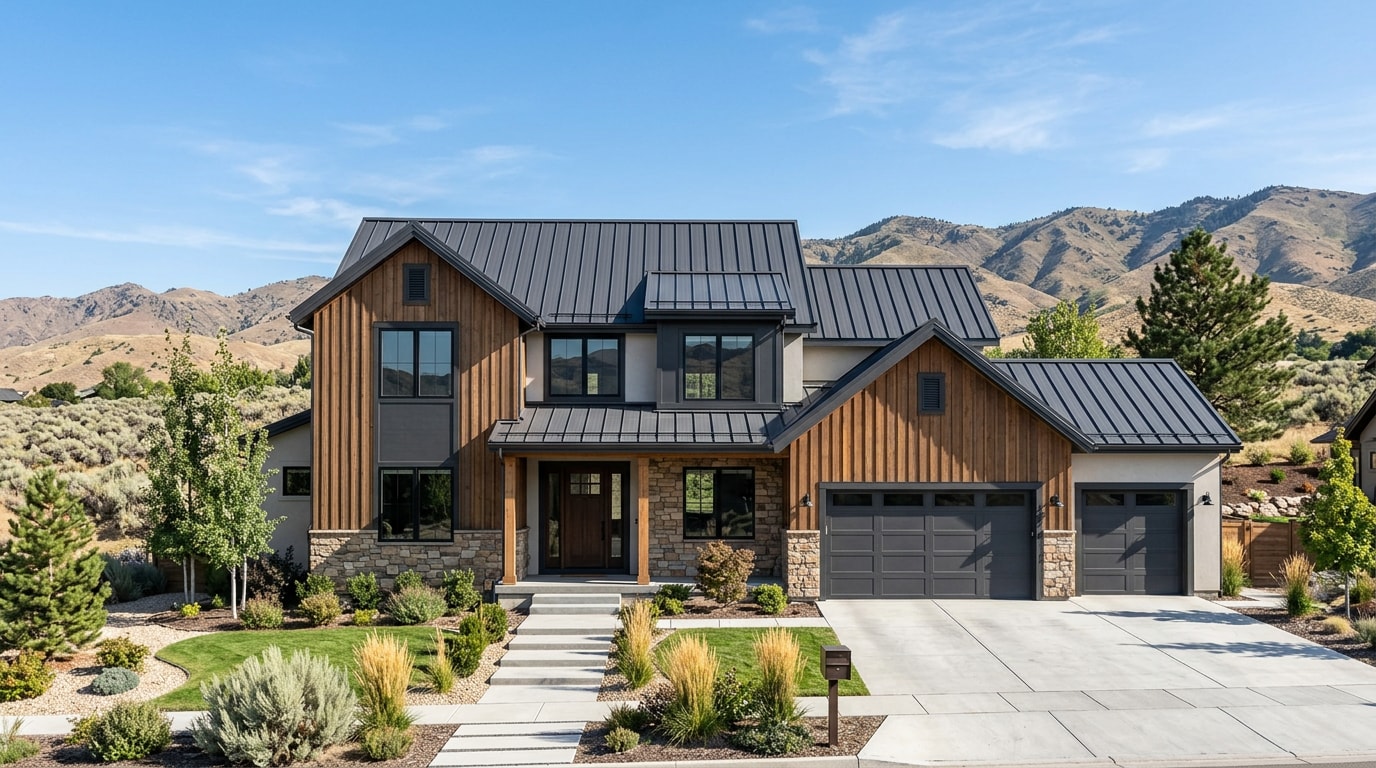
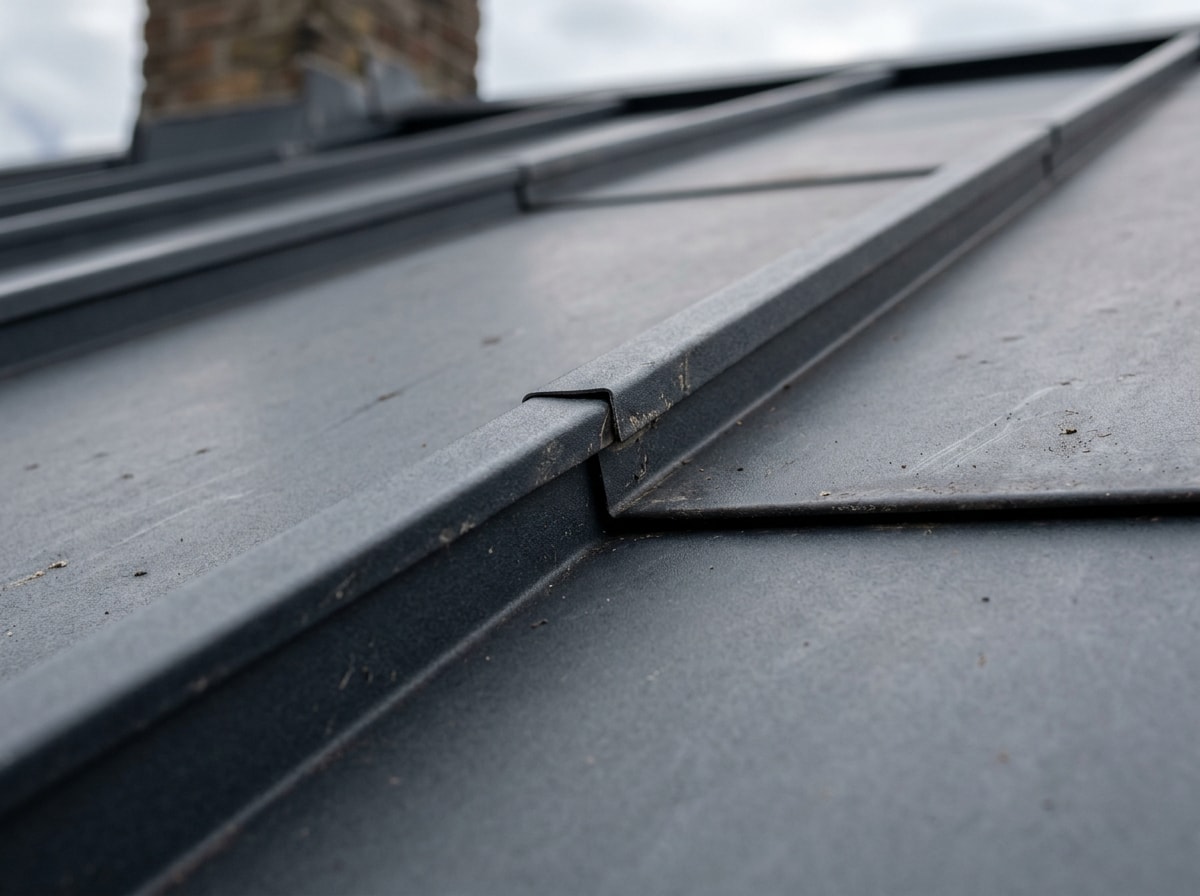
| Standing Seam (concealed fastener) | Hidden clips under an interlocking raised seam | 50-70 years | Steep-pitch homes, heavy snow loads |
| Stone-Coated Steel | Concealed fasteners under textured granules | 40-60 years | HOA-restricted lots wanting a tile or shake look |
R-Panel is the most affordable steel option and still performs well on garages and secondary structures, though the exposed fasteners need periodic re-torquing as washers age.
Standing seam sheds moisture through a continuous watertight seam instead of relying on fastener-hole sealant, which is why it handles Boise's heavier snow loads better than exposed-fastener panels. Manufacturers typically require a minimum UL 90 wind uplift rating before a panel system goes to market, and at least one major metal manufacturer treats the UL 90 rating as the minimum test standard for anything installed on a roof .
Stone-coated steel splits the difference, mimicking tile or shake while keeping the lighter weight and wind resistance of steel underneath. Compare all three against your roofline on our roof replacement page before deciding.
Is Metal Roofing Right for Your Boise Home?
Metal isn't automatically the right call for every property. It tends to pay off fastest on:
- Steep-pitch homes where snow needs to shed, not sit
- Tree-covered lots where debris and ice dams are a recurring problem
- Custom foothills builds where wildfire ember resistance matters
- Homeowners planning to stay 15+ years, long enough to recoup the higher material cost
It's a harder sell if your HOA restricts panel profiles, your roofline is heavily cut up with dormers and valleys (which raises labor costs fast), or you're planning to sell within a few years. A site visit from a residential roofing specialist settles the question faster than a phone estimate ever will.
Signs Your Metal Roof Needs Professional Attention
Not every issue is urgent, but each of these points to a different underlying cause:
- Ponding water on low-slope sections, usually a drainage or slope issue, not a material failure
- Bent or deflected panels blocking proper drainage after hail or ladder traffic
- A noisier roof during wind, often just loosened fasteners that need re-torquing
- A chalky, faded finish from years of UV exposure, typically cosmetic rather than structural
- Rust streaks at cut edges or exposed fastener heads, worth catching before it spreads
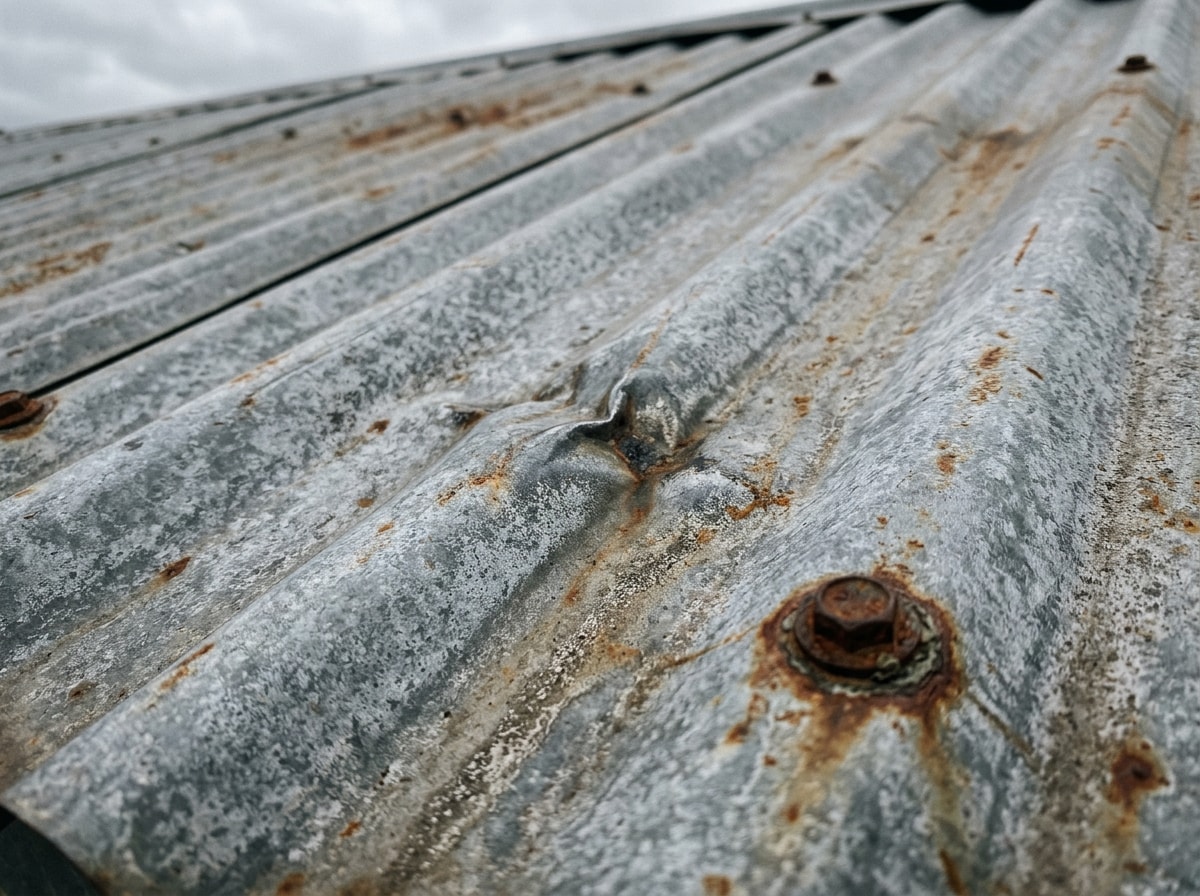
Routine inspections catch most of these early. Government guidance on building maintenance recommends cleaning and inspecting gutters and downspouts at least twice yearly, in late spring and late fall , and the same seasonal rhythm works well for checking panel seams and fasteners. If you spot ponding or a sagging section between checks, that's when to schedule a roof inspection rather than wait for the next season.
What to Expect During Installation or Replacement
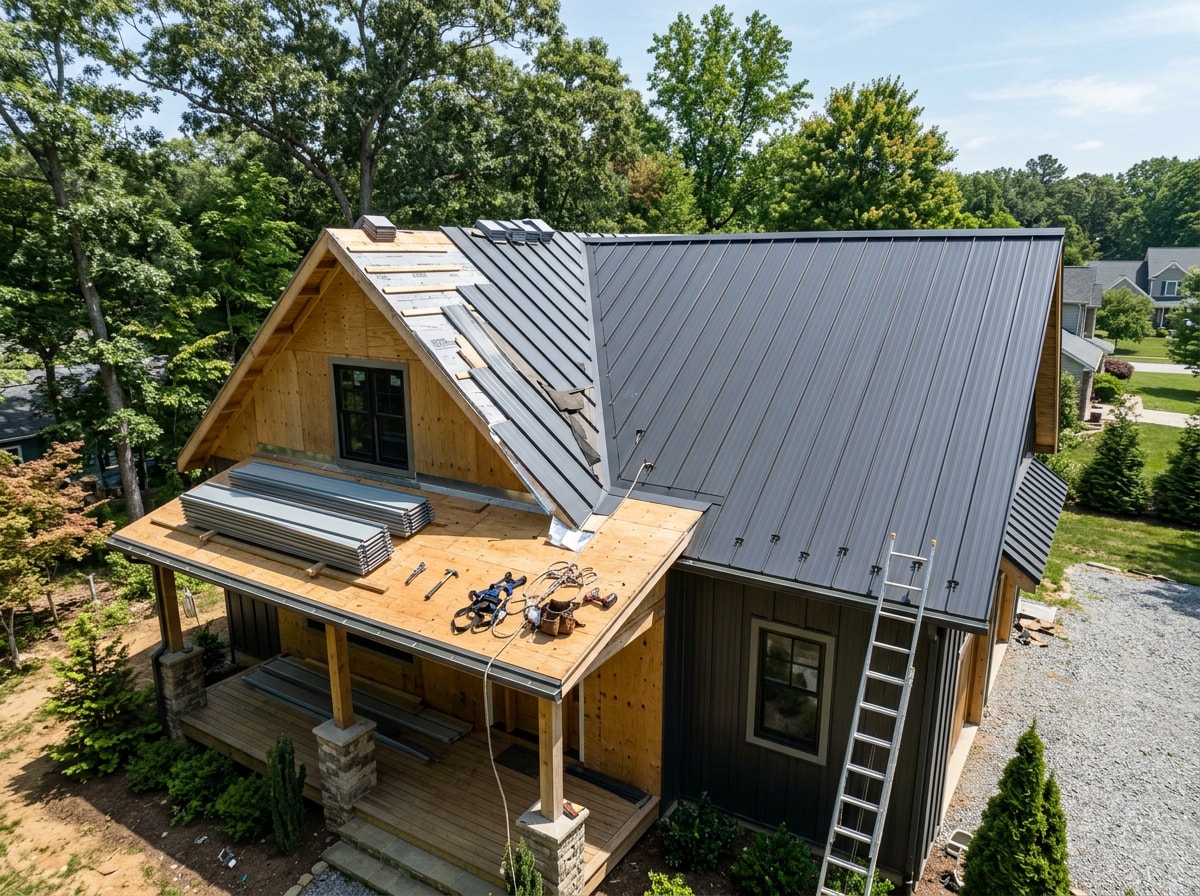
A typical metal roof installation or replacement in Boise follows a predictable sequence:
- On-site evaluation and measurement of the existing roof
- System recommendation based on roofline, budget, and HOA rules
- Decision between full tear-off and overlay, when the existing deck allows it
- Panel fabrication and material delivery
- Installation, including new flashing around chimneys and valleys plus ventilation upgrades
- Final walkthrough and warranty paperwork
Most residential jobs take a few days to just over a week, depending on roofline complexity and how narrow Idaho's dry-weather scheduling window is that season. A contractor who's done this across the valley will give you a realistic timeline up front rather than a number designed to win the bid.
If your current roof is actively leaking and can't wait for a scheduled slot, ask about emergency roof repair availability before committing to a full replacement timeline.
Boise's Climate and Code: Why Metal Performs Here
This is the part most roofing pages skip: Boise's own building code sets a floor for what your roof structure has to handle. Under the city's currently adopted design criteria, the ground snow load is set at 20 psf, with a uniform roof snow load of 25 psf regardless of slope . That's a lighter design load than mountain towns like McCall or Sun Valley, but it still means any roofing system installed here has to perform under real accumulated weight, not just marketing claims about "snow country durability."
Metal also earns its keep on the cooling side. Reflective, ENERGY STAR-qualified roofing products can reduce the amount of air conditioning needed in buildings and cut energy bills by up to 50 percent , and a reflective roof can reduce peak cooling demand by 10 to 15 percent compared to a dark, non-reflective surface. On a west-facing Boise roofline baking through July and August, that reflectance difference is noticeable on the utility bill, not just on paper.
Why Homeowners Choose Us
When you're searching for residential metal roofing contractors near me in Boise, ID, trust signals matter as much as price. A licensed, insured local contractor with real Treasure Valley jobs under its belt, financing options, and a willingness to put the timeline and scope in writing earns repeat business long after the invoice is paid. Credentials and accountability matter more than a glossy ad when steel panels are going to sit on your roof for the next five decades.
See examples of similar work on our homepage or start with a roof installation consultation.
Service Areas Across the Treasure Valley
We install and repair residential metal roofing throughout the region, including Boise, ID, Meridian, ID, and Nampa, ID. If you're outside the valley proper, our crews also cover higher-elevation communities where snow load design matters even more. For a related project type, see our guide on installing metal roofing on a shed in Twin Falls.
Ready to compare systems for your own roofline? Get a free estimate and we'll walk the roof with you before recommending anything.
FAQ
How long does a metal roof last in Boise?
Most steel panel and standing seam systems are rated by manufacturers for 40 to 70 years, with proper attic ventilation pushing toward the higher end of that range. Exposed-fastener R-panel systems typically land on the shorter end since the fasteners need periodic maintenance.
Is a metal roof noisy during rain or hail?
No. A properly installed metal roof, built over solid decking, underlayment, and insulation, isn't noticeably louder than asphalt shingles during rain or hail. Noise complaints almost always trace back to a poor installation, not the material itself.
Can metal roofing be installed over an existing roof?
Sometimes. An overlay can work if the existing shingles and decking are in good condition, but a professional assessment should confirm that before you commit, since hiding rot under new panels creates a bigger problem later.
How much does a metal roof cost in Boise?
Metal roofing typically costs more per square foot than asphalt shingles upfront, with the exact number driven by panel type, roof pitch, and whether a full tear-off is needed. Standing seam runs higher than R-panel; the long-term maintenance savings are what close the gap over the life of the roof.
Do metal roofs attract lightning?
No. Metal doesn't attract lightning any more than other roofing materials, and because steel is noncombustible, a strike is actually less likely to start a fire compared to a wood or asphalt roof.
Does a metal roof increase home value?
It can, particularly in a market where buyers are weighing long-term maintenance costs. A roof with decades of remaining service life is a selling point, though the exact return varies by neighborhood and how long you plan to own the home.
About the Author
This guide was written by the estimating team at 208 Roofing Experts, who evaluate roofs across Ada and Canyon County year-round. Questions about a specific roofline or snow load concern? Contact us and we'll give you a straight answer, not a sales script.