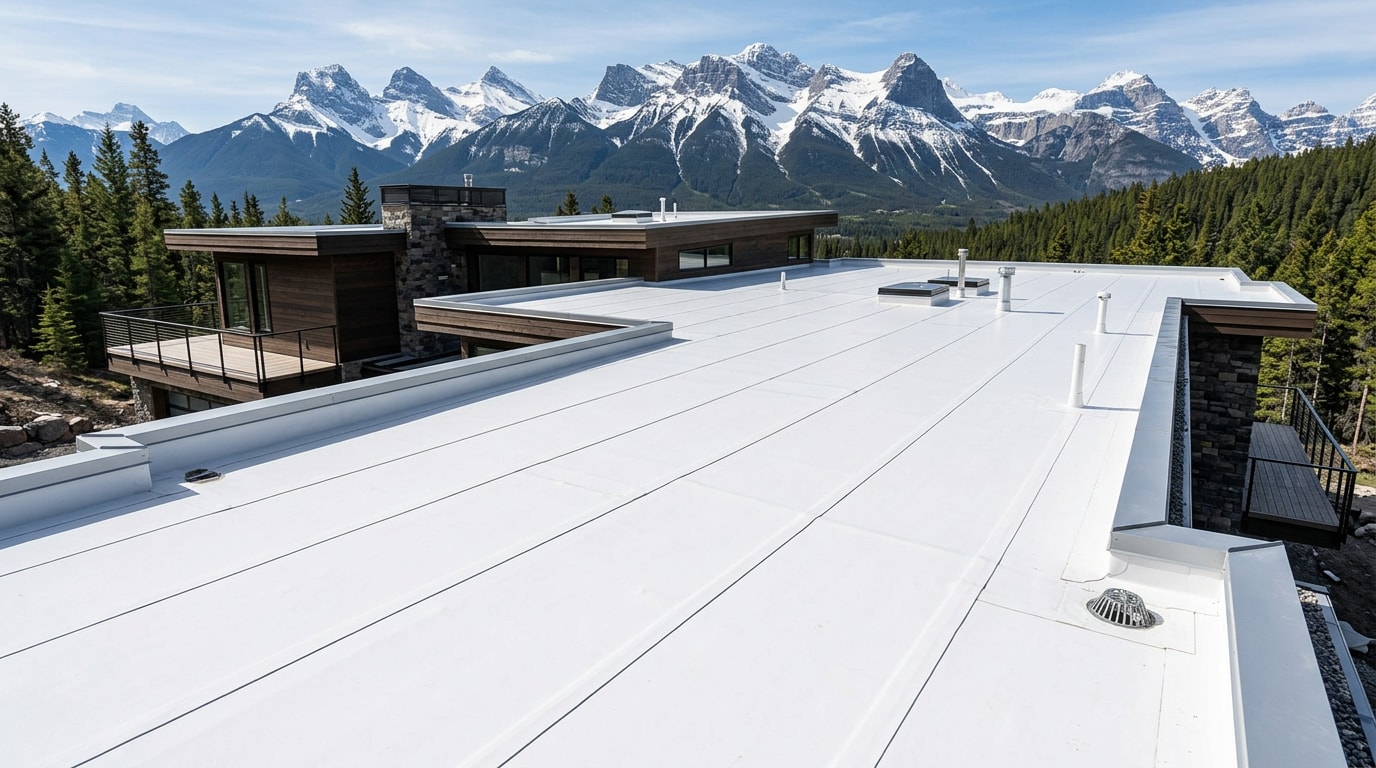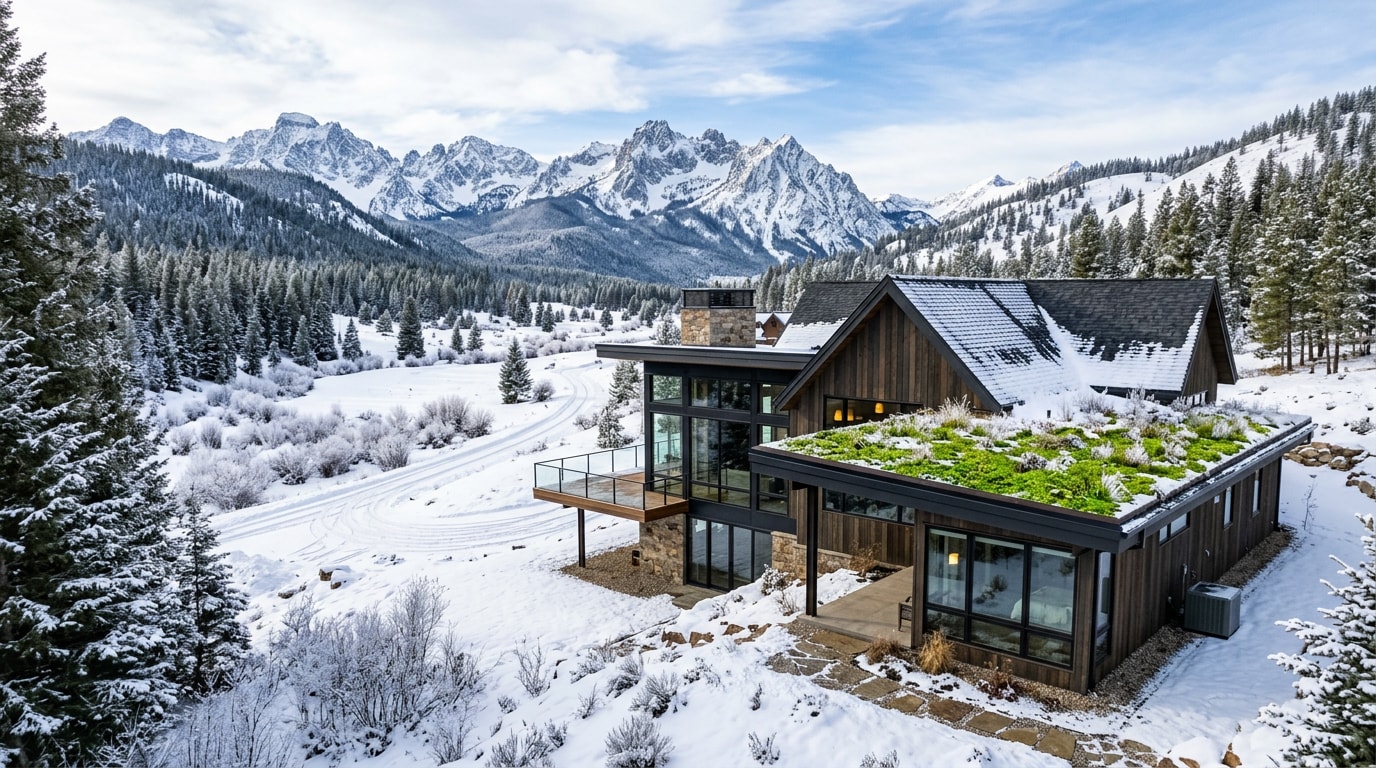
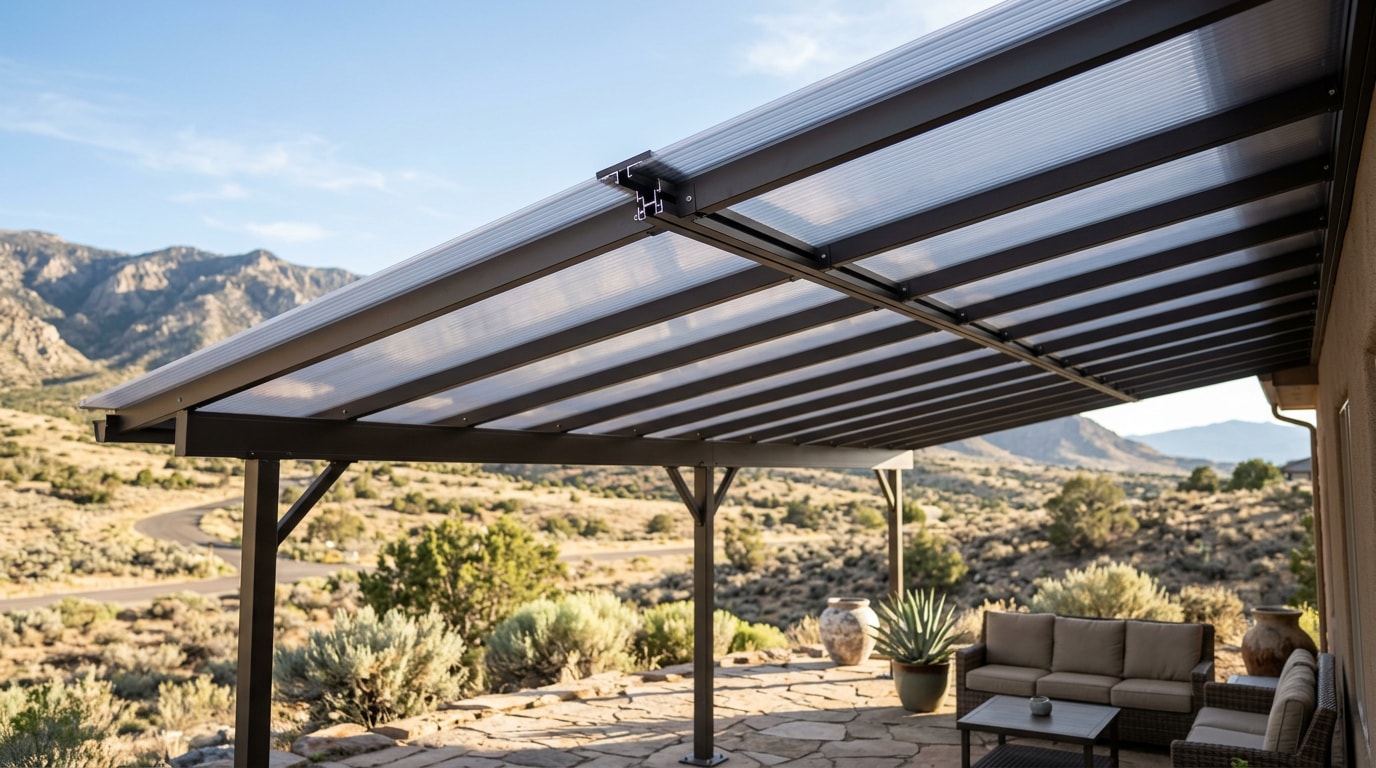
Polycarbonate roofing sheets in Mountain Home, ID give patios, carports, and greenhouses hail-tough, UV-blocking coverage without the weight of glass or the full shade of solid metal. This guide breaks down sheet types, the local snow-load numbers that actually determine thickness, and the install details that keep a roof watertight through Elmore County's freeze-thaw winters. Skip the generic big-box advice and spec it right the first time.
Why Polycarbonate Is Replacing Glass and Metal Panels Here
Three properties drive the switch for local homeowners and builders.
- Impact resistance. Polycarbonate shrugs off hail and wind-blown debris far better than glass, which matters during Idaho's spring storm season.
- Light weight.
While polycarbonate is half the weight of glass, it has 250 times the impact resistance. That means less stress on framing and easier handling on a ladder.
- UV blocking. Most sheets use a co-extruded UV layer rather than a surface coating.
Premium corrugated panels like Suntuf block 99.9% of UV rays while still letting daylight through.
Those three traits make polycarbonate a practical, lower-maintenance alternative anywhere a roof panel needs to let light in without turning into a greenhouse of heat and glare.
How Elmore County's Snow Load Rules Actually Shape Your Sheet Choice
This is the part most buying guides skip, and it's the one that determines whether your roof holds up through a Mountain Home winter.
Mountain Home sits at roughly 3,150 feet elevation in the Snake River Plain, with hot, dry summers and cold winters that bring real snow accumulation. For building purposes, Elmore County's standard ground snow load requirement is 30 pounds per square foot for most areas . Recreation areas carry a much higher 120-pound ground snow load, which must be designed by an Idaho State engineer rather than built to a generic prefab spec sheet.
That gap between 30 psf and 120 psf is exactly why "just buy the thickest sheet" isn't real advice. If your property falls in a higher-load zone, confirm the design number with Elmore County's building department before you order material or set purlin spacing.
A few other local factors matter just as much as snow:
- High-desert UV exposure is more intense than lowland sun, so a sheet with a true co-extruded UV layer lasts noticeably longer than one with a sprayed-on coating.
- Freeze-thaw cycling stresses fasteners and seams more here than in milder climates, which is why expansion gaps (covered below) aren't optional.
- Wide daily temperature swings mean polycarbonate expands and contracts more than it would in a coastal climate, so hardware and spacing choices need to account for movement, not just load.
For most residential projects in and around Mountain Home, an 8mm–16mm twinwall or multiwall sheet balances snow-load strength, insulation, and UV life better than a thin corrugated panel.
Types of Polycarbonate Roofing Sheets
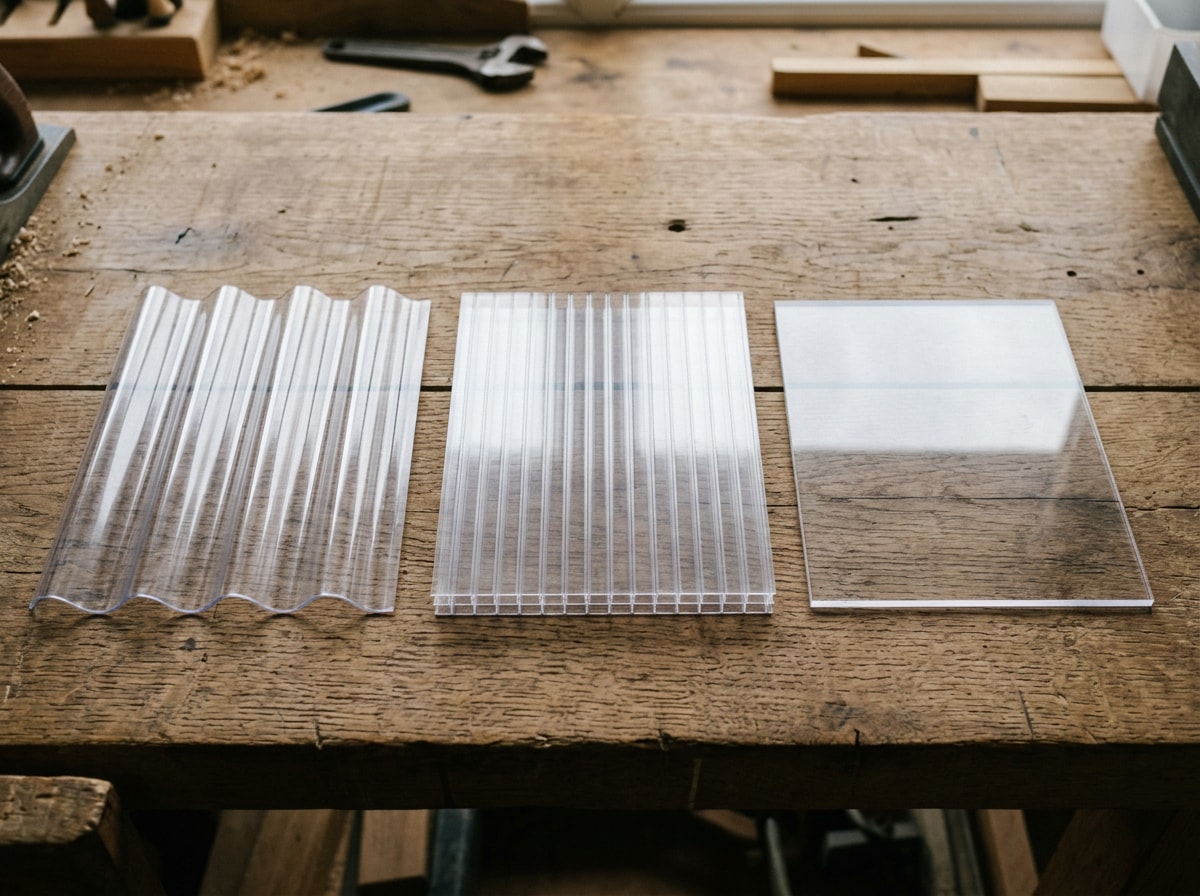
Three sheet types cover nearly every residential use case.
| Sheet Type | Typical Thickness | Best For |
|---|---|---|
| Corrugated polycarbonate | 0.8mm–1.2mm | Sheds, small lean-tos, steep-pitched roofs |
| Twinwall / multiwall polycarbonate | 4mm–25mm (6mm–16mm most common) | Patio covers, carports, greenhouses |
| Solid polycarbonate | 3mm–12mm | Skylights, glazing where clarity matters most |
Corrugated panels mimic the wave profile of metal roofing and are the simplest option to install. Twinwall and multiwall sheets use internal air channels for insulation, which is why they're the default for anything spanning a patio or housing plants. Solid sheets skip the air channels entirely and trade insulation for glass-like clarity.
Polycarbonate vs. Metal vs. PVC Roofing
| Factor | Polycarbonate | Metal | Corrugated PVC |
|---|---|---|---|
| Natural light | Yes, high transmission | No, opaque | Limited, yellows over time |
| Upfront cost | Mid-range | Higher | Lowest |
| Lifespan | Long with UV-protected sheets | Longest | Shortest, brittles outdoors |
| Noise in rain | Moderate (less with backing) | Moderate to loud | Moderate |
| Weight | Lightest | Moderate | Light |
Polycarbonate sits in the middle on cost but wins decisively on daylight, which is the whole reason people choose it for patio covers and greenhouses instead of metal. PVC is cheaper upfront but tends to yellow and grow brittle within a few years outdoors, so the savings rarely hold up. If a solid, opaque roof fits your project better, a full roofing contractor
Best Uses for Polycarbonate Roofing Sheets in Mountain Home
Polycarbonate shows up most often on structures that benefit from light without full sun exposure.
- Pergola roofs cut glare while keeping backyard spaces bright instead of fully shaded.
- Carports stay lightweight enough to span a single- or double-car structure without heavy support beams.
- Greenhouses rely on the insulating air channels in multiwall sheets to buffer hot summer days against cool desert nights. For material-specific guidance, our greenhouse roofing guide for Mountain Home compares polycarbonate against other glazing options in more detail.
- Sheds and standalone skylights typically use corrugated or solid sheets depending on budget and the look you want.
How to Install Polycarbonate Roofing Sheets
A simple shed or small pergola is a manageable weekend project for someone comfortable with basic tools. Complex rooflines, large spans, or anything tied into an existing structure's warranty are better left to a professional roofing contractor, both for safety and to avoid voiding manufacturer coverage.
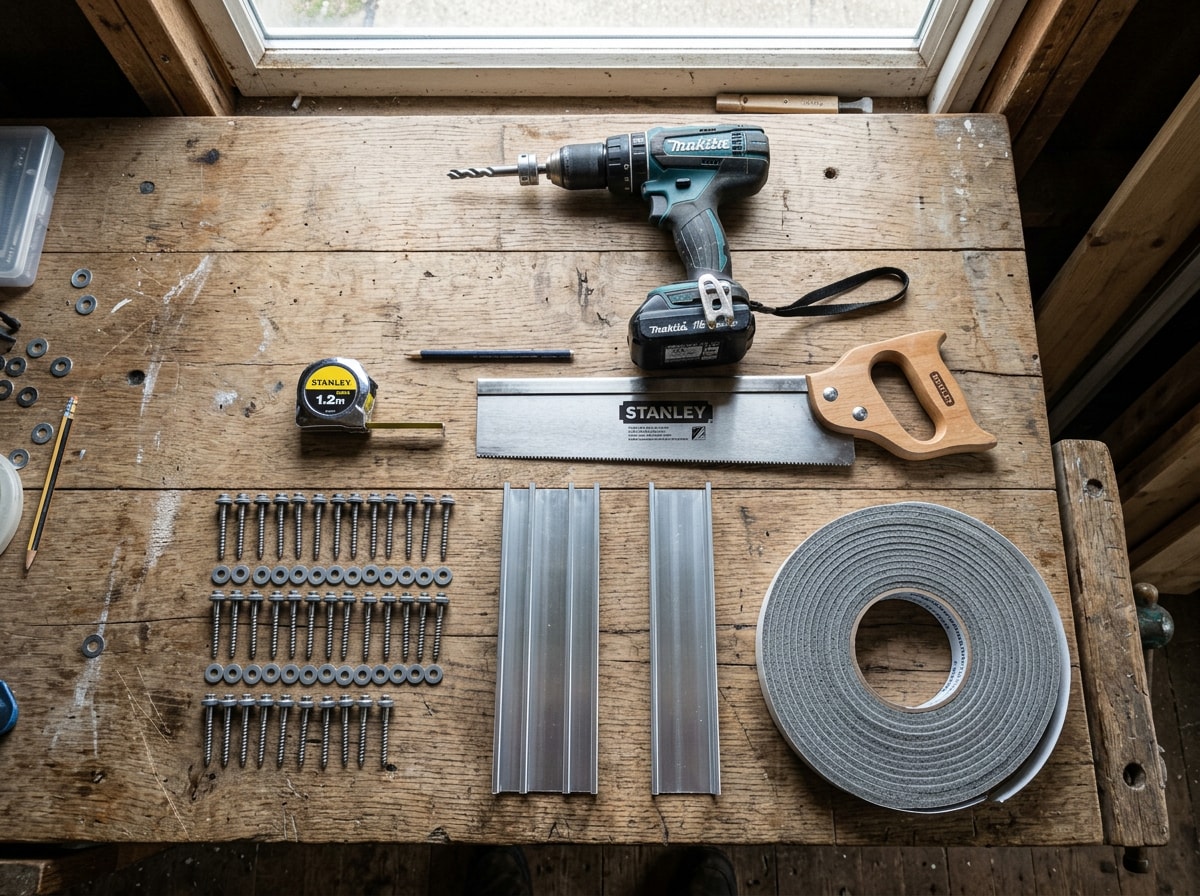
What You Need
- Polycarbonate-specific roofing screws with neoprene or EPDM washers
- H-profile and U-profile extrusions to join and finish sheet edges
- A fine-tooth saw or circular saw with a plastic-cutting blade
- A drill with a stop collar to avoid over-drilling
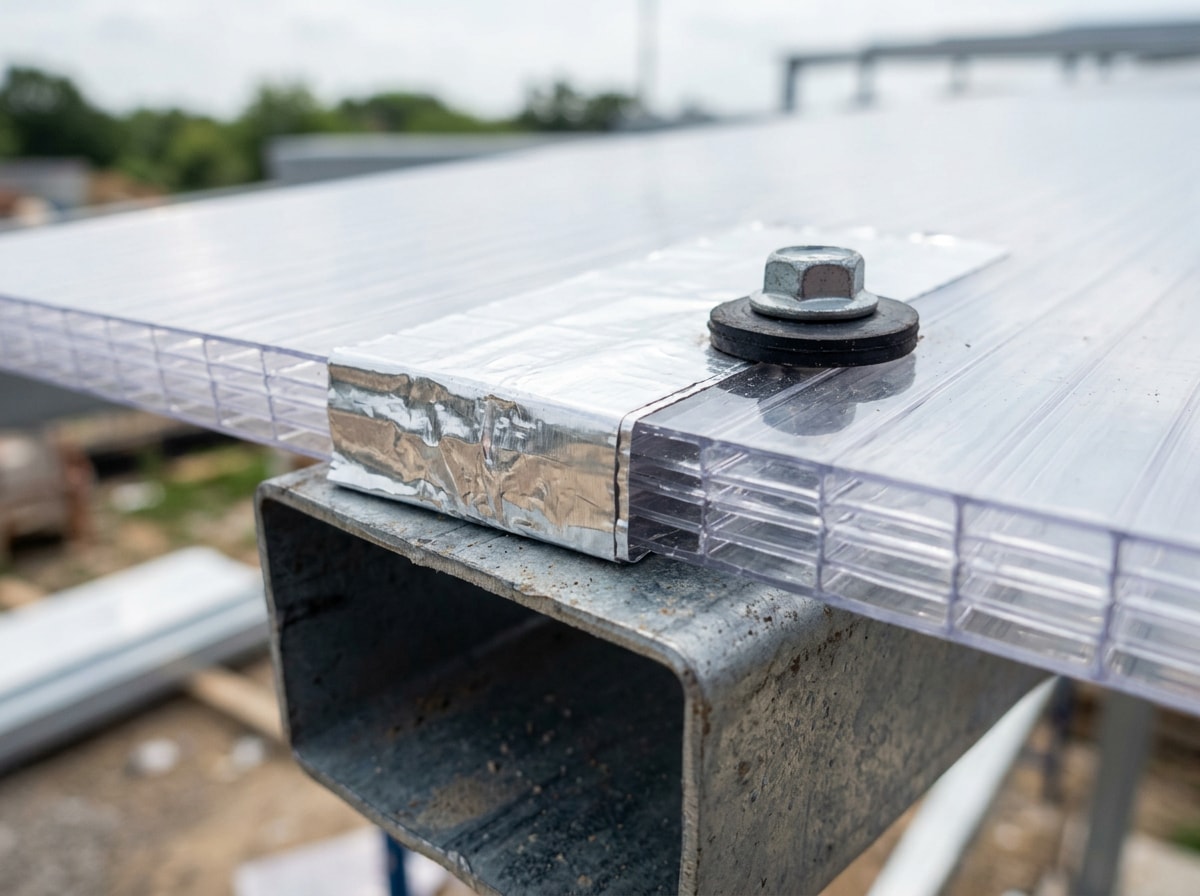
- Aluminum tape (solid side) and vented foam tape (bottom side) for sheet ends
Roof Design Rules Before You Install
Manufacturer specs, not guesswork, should drive your frame layout. Palram's recommended minimum slope for Suntuf corrugated panels is 1-1/2 inch of rise per 12 inches of run, and lower pitches need additional sealing to stay weather-tight.
Purlin spacing follows the same logic: cross supports should be no more than 36 inches apart, though 24 inches is the typical recommendation for the best balance of economy and structural support. Thicker multiwall sheets can sometimes span further, but always confirm against the specific product's data sheet.
Always leave a thermal expansion gap, generally 3mm–5mm per meter of sheet length, since polycarbonate moves noticeably with Mountain Home's temperature swings. When our crews re-flash polycarbonate patio covers after a hard winter, the failures almost always trace back to over-tightened screws or a skipped expansion gap, not bad sheets.
How to Cut the Sheets
Use a fine-tooth saw or a circular saw fitted with a plastic-cutting blade for clean edges. Keep the protective film on both sides while cutting to prevent scratches, and support the sheet flat along its full length so it doesn't flex or crack mid-cut.
How Many Sheets You Need
Measure the total roof area, then add roughly 10% for overlap and waste since adjoining sheets need overlap at every seam. Round up to the nearest standard sheet size your supplier stocks rather than custom-ordering odd dimensions.
Common Installation Mistakes to Avoid
- Over-tightening screws, which restricts natural sheet movement and leads to cracking during temperature swings.
- Skipping expansion gaps, causing stress fractures over a winter-to-summer cycle.
- Installing the UV-coated side facing down. Check the protective film for orientation markings before mounting.
- Missing end tape, which lets dust and insects into the flutes of multiwall sheets.
- Undersized purlin spacing, which leads to sagging and eventual cracking under snow load.
For exact fastening and gap specifications on a given product line, check the manufacturer's installation resources rather than guessing, and verify the panel carries a current ICC-ES evaluation report if it's going on a permitted structure.
DIY vs. Professional Installation
Small, simple structures are reasonable DIY projects. Larger carports, anything tied into an existing roofline, or a build that needs to pass county permitting is where it pays to bring in a crew that installs these systems regularly.
Our team handles both the structural side and the finish work, from confirming snow-load compliance to sealing every seam against Mountain Home's freeze-thaw cycles. If you're planning a patio cover, carport, or greenhouse roof this season, get a free estimate before you order material, and we'll confirm thickness, purlin spacing, and code requirements for your specific lot. You can also browse our full roof installation services or schedule a roof inspection if you're unsure whether an existing structure can support a new panel system.
For homeowners comparing this project against a full roof replacement, our roof repair quote guide for Boise, ID walks through typical cost ranges and the quoting process in more detail. You can also see our full range of work on the homepage.
FAQ
What is the best thickness for polycarbonate roofing?
For most residential patio and carport roofs, 8mm to 10mm twinwall polycarbonate balances strength, weight, and insulation well. Larger spans or higher snow-load zones may call for 16mm multiwall sheets, while small garden structures can use thinner corrugated panels.
How long do polycarbonate roofing sheets last?
Sheets with a genuine co-extruded UV layer typically perform well for 10 to 20 years outdoors, depending on thickness and sun exposure. Cheaper sheets without real UV protection can yellow and lose impact strength much sooner, especially at Mountain Home's elevation.
Does polycarbonate roofing turn yellow over time?
UV-protected polycarbonate resists yellowing far longer than unprotected sheets or PVC alternatives, but all plastics degrade eventually under constant sun. Installing the UV-coated side facing outward, as marked on the protective film, is what actually determines how long that protection lasts.
How much do polycarbonate roofing sheets cost?
Corrugated panels generally run in the $40 to $70 range per standard panel at major retailers, while 6mm to 16mm twinwall and multiwall sheets typically cost more per panel depending on size and brand. Larger commercial-grade or custom-cut sheets cost more and are usually quoted per project.
How long does it take to install a polycarbonate roof?
A typical pergola or small patio cover can be installed in a single day by two people with the right tools. Larger carports or multi-sheet roofs may take two to three days depending on framing complexity.
Do I need a professional to install polycarbonate roofing sheets?
Simple, small structures are reasonable DIY projects, but larger or structurally complex roofs benefit from professional installation. Many manufacturer warranties also require certified installation, so check the fine print before starting.
Can I walk on polycarbonate roofing?
Generally, no. Polycarbonate sheets flex between supports and can crack under direct foot traffic without load-spreading boards. If roof access is needed for maintenance, always use a wide board to distribute weight across multiple purlins.