Greenhouse roofing in Mountain Home, ID has to survive triple-digit July days and sub-zero January nights. Add the wind that rips across the Snake River Plain, and a weak panel won't last a full season. This guide compares the four main glazing materials and shows when a DIY re-roof makes sense versus calling a pro.
Mountain Home's Climate Changes the Math on Greenhouse Roofing
Mountain Home sits at roughly 3,150 feet on the Snake River Plain, with a semi-arid climate that swings from summer highs near 107°F to winter lows that have dropped to -36°F on record. That temperature range stresses rigid panels and ages film covers faster than milder parts of the valley.
The University of Idaho Extension's guide to short-season, high-altitude gardening notes that Idaho's high-desert zones need growing structures built for sharp climate swings, not a one-size-fits-all kit. That's exactly why a greenhouse roofed for a coastal or mild-valley climate often underperforms here. If you're weighing exterior work across our Mountain Home service area, this local climate reality is the first thing to factor into material choice, before cost or looks.
Is It the Roof, or the Whole Greenhouse?
Before shopping for panels, figure out whether this is a simple re-roof or something bigger. Parts of an existing frame can sometimes be reused if the sheet thickness matches and the structure is sound. But mixing old and new materials rarely gives a truly weather-tight fit, and it can void manufacturer warranty terms.
Frame condition is the real deciding factor. Walk the structure and check for:
- Bent, rusted, or rotten frame members
- Fittings or clips that no longer hold screws securely
- A sagging ridge or warped corner posts
- Glazing bars that have pulled away from the frame
If you see two or more of these, you're likely looking at a full greenhouse replacement rather than a roof-only job. The same inspection habits used for home roof inspections apply here: check for rot, rust, and loose fasteners before you spend a dollar on new panels. For a broader look at exterior services in the area, our roofing contractor team handles everything from inspections to full replacements across the Treasure Valley.
What to Weigh Before You Choose a Material
A good greenhouse roof balances four things: light transmission, durability under local weather, fit with the existing frame, and cost.
Light transmission comes first. More usable light means stronger photosynthesis and better growth, especially during Mountain Home's shorter winter daylight hours. Durability comes second — a roof that holds up in a shaded coastal yard can fail fast under southern Idaho's UV load and wind.
Here's how the four common materials stack up on the basics:
| Material | Light Transmission | Typical Lifespan | Relative Cost |
|---|---|---|---|
| Glass | 90%+ | 20-30+ years | High |
| Twinwall/Multiwall Polycarbonate | 70-85% | 10-20 years | Medium |
| Fiberglass | 85-90% (new), declines with age | 15+ years | Medium-Low |
| Polyethylene Film | Comparable to glass | 1-4 seasons | Low |
Best Greenhouse Roof Materials Compared
Each material family trades off light, weight, cost, and insulation differently. Picking the right one usually comes down to whether you're building something permanent or something seasonal.
Glass Roofing
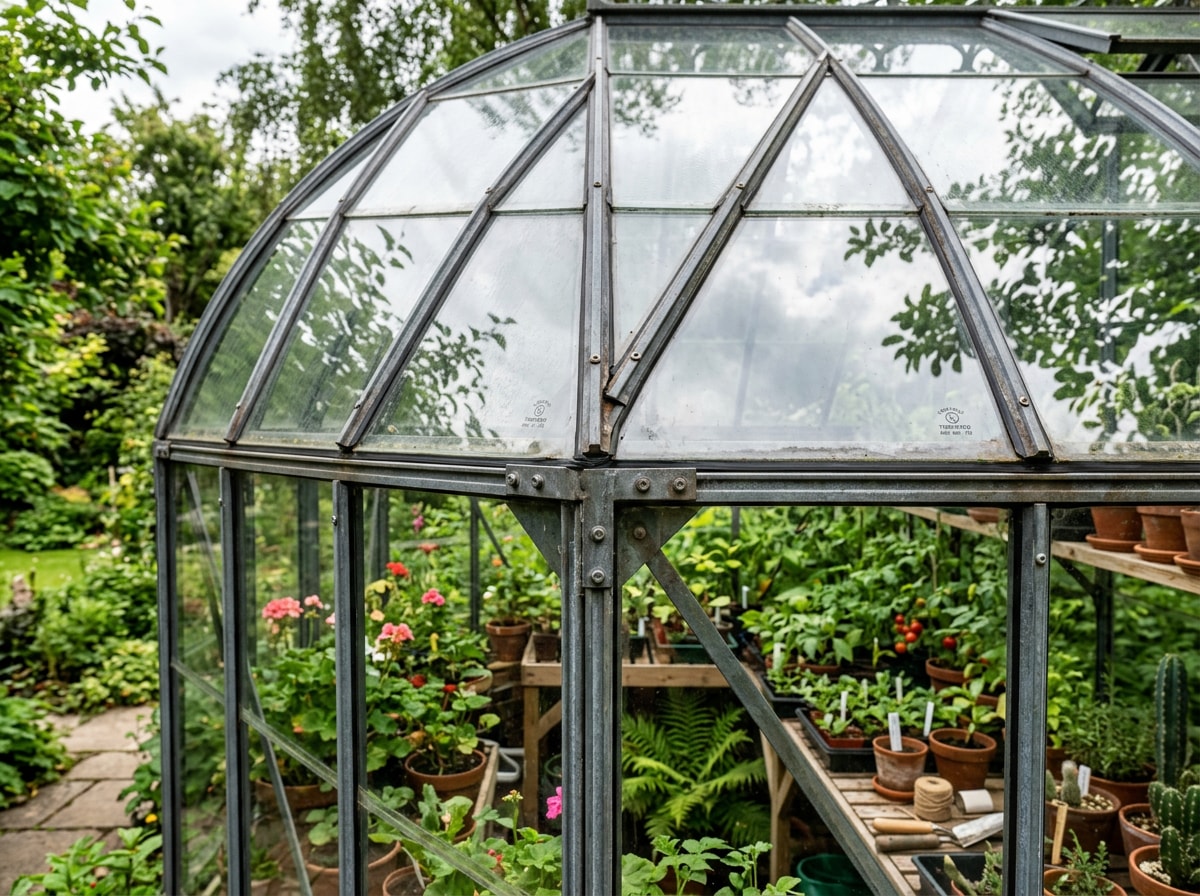
Glass has been the default greenhouse roofing material for centuries, and it's still the most transparent option available. Properly installed and tempered, it can last decades on a permanent structure.
- Highest light transmission of any common material
- Requires sturdy, heavier framing to support the weight
- Weaker insulator than twinwall polycarbonate
- Breaks rather than flexes under hail or wind-driven debris
Weigh that last point seriously if hail or blowing debris is a real concern on your property.
Polycarbonate / Acrylic Roofing
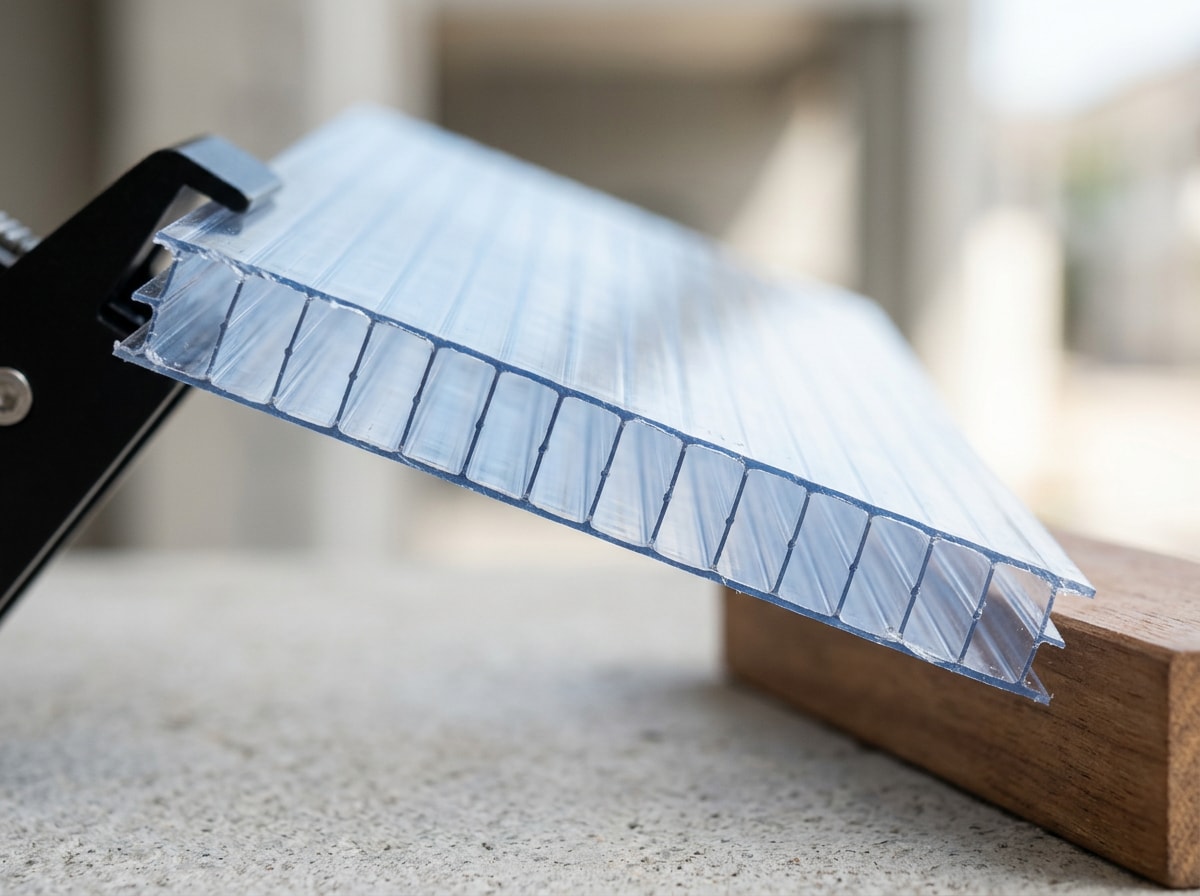
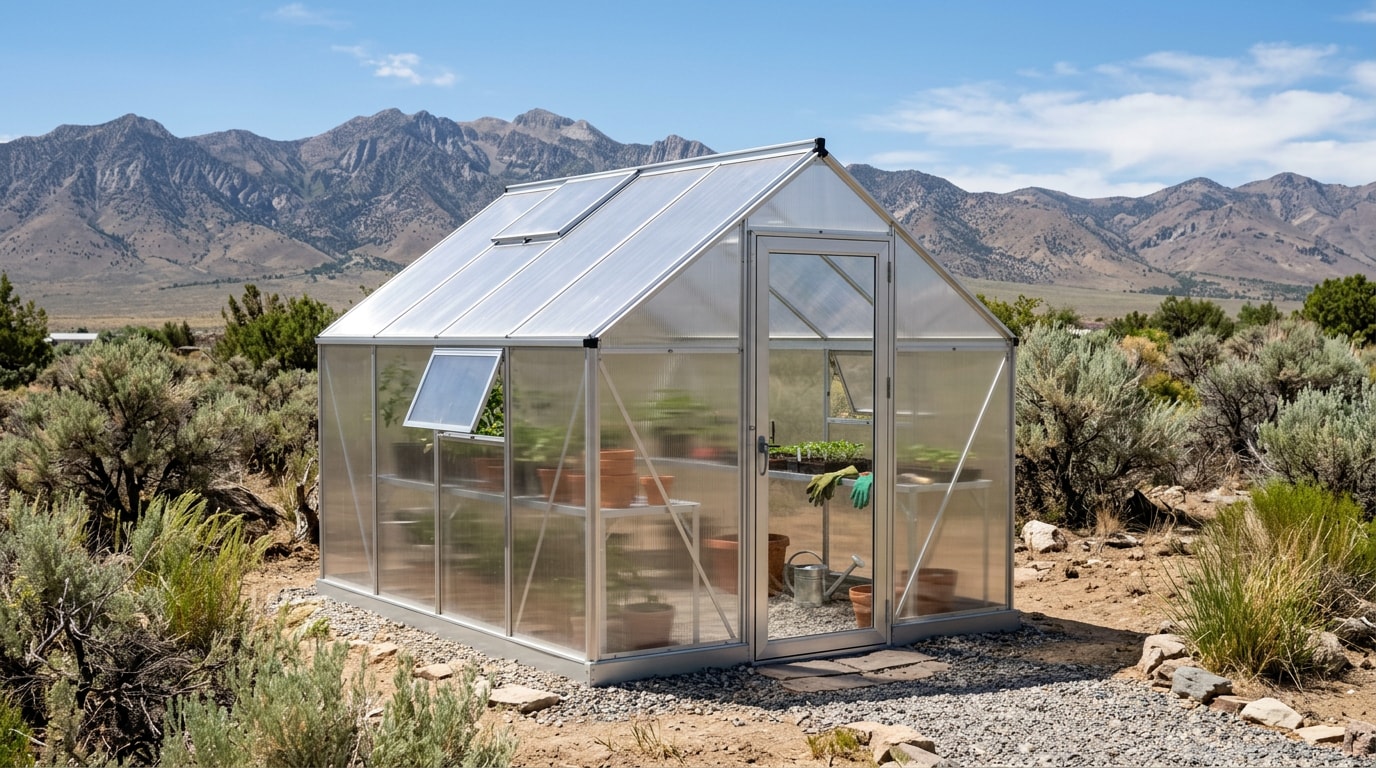
Polycarbonate panels have become a popular choice for greenhouse construction because of their heat retention. Twinwall and multiwall versions trap air between layers, which softens temperature swings — a real advantage during Mountain Home's cold nights.
Thickness matters more than most buyers expect:
- 4mm panels suit light-duty hobby greenhouses in sheltered spots
- 6mm panels are a solid middle ground for most backyard structures
- 10mm multiwall holds up better where snow load or sustained wind is a factor
Most polycarbonate sold for greenhouse use carries a co-extruded UV layer that slows yellowing and brittleness. Extech's technical breakdown of UV-stable polycarbonate explains how that co-extruded protection differs from a surface coating that can peel or wear off early.
Fiberglass Roofing
Fiberglass panels cost less than tempered glass and weigh less, too, so they don't need the same heavy-duty framing. They can last more than 15 years in a permanent greenhouse.
The main downside is cosmetic and functional at once: fiberglass tends to yellow and lose light diffusion over time under strong UV exposure. It's still a reasonable middle-ground choice for growers who want an affordable roof without going fully temporary.
Polyethylene / Plastic Film Roofing
Plastic film is the cheapest, easiest-to-install greenhouse roofing material, and it offers light permeability close to glass. It works well for quick, seasonal builds.
That affordability comes with a catch: poly film suits seasonal structures, not permanent ones. Wind, UV exposure, and age degrade it faster than any rigid material, so treat it as a temporary cover rather than a long-term roofing solution.
Fixings and Accessories You'll Need
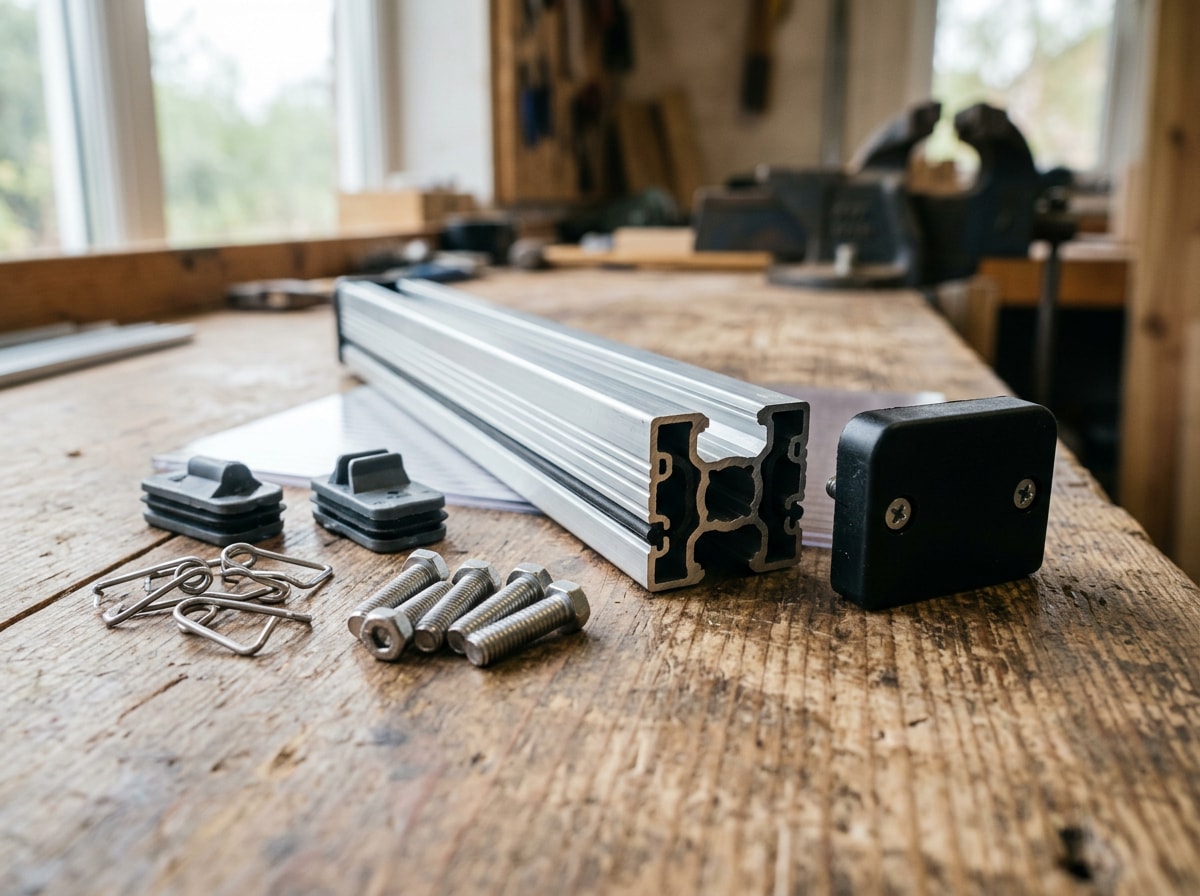
Choosing a material is only half the job. If the frame is sound, the usual route is replacing the roof covering along with the hardware that seals it:
- New glazing bars
- End caps
- Breather tape
- Matching screws or clips rated for the panel thickness
Skipping any of these often causes leaks even when the panels themselves are brand new.
Can You DIY a Greenhouse Roof Replacement?
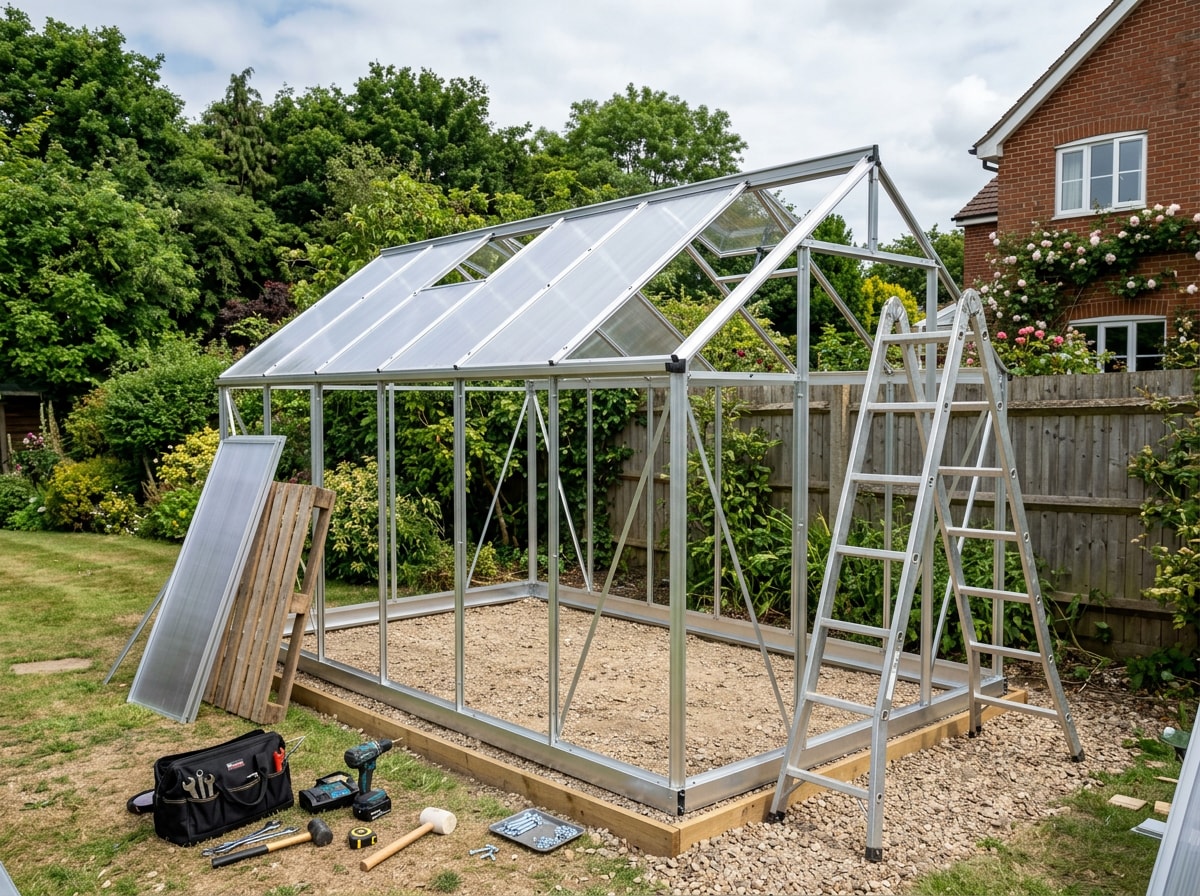
Whether this is a reasonable DIY project depends on the material and how accessible the frame is.
- Lightweight polycarbonate — manageable for most handy homeowners on a sturdy ladder, single-story structure
- Heavy glass panes — a two-person job at minimum, unforgiving of mistakes
- Steep pitch or elevated frames — call a pro regardless of material
- Any sign of structural frame damage — call a pro before touching the roof
Fall risk on sloped or elevated surfaces is a genuine hazard. OSHA's construction ladder-safety eTool is worth a read before attempting any roof work solo, even on a small backyard structure.
Replacing a shed roof at the same time as your greenhouse? Our guide on installing metal roofing on a shed in Twin Falls, ID covers fastener spacing and underlayment basics that carry over to other outbuildings on the property.
If you'd rather get a firm number than guess at material and labor costs, get a free estimate before you buy a single panel. You can also browse our full range of exterior services on the 208 Roofing Experts homepage.
FAQ
Can a Damaged Greenhouse Roof Be Repaired, or Does It Need Full Replacement?
Minor damage like small cracks or holes can often be repaired, especially in polycarbonate, using patch kits or sealant tape. Widespread cracking, yellowed panels that block too much light, or a compromised frame usually means full replacement makes more sense than another round of patching.
What Type of Polycarbonate Is Best for Greenhouses?
Twinwall polycarbonate is generally the top pick for greenhouse construction. It traps air between its layers to boost insulation while still providing strong light transmission and solid impact resistance — a practical balance most hobby and commercial growers land on.
How Long Does Polycarbonate Roofing Last on a Greenhouse?
Twinwall or multiwall polycarbonate sheets with a co-extruded UV layer typically last 10 to 15 years outdoors, depending on sun exposure and coating quality. Manufacturer warranty terms vary by brand and panel grade, so check the spec sheet before you buy.
How Long Do Fiberglass Greenhouse Panels Last?
Fiberglass panels typically last 15 years or more in a permanent structure, though light transmission drops as UV exposure yellows the resin. Regular cleaning and an occasional UV-resistant coating help keep performance closer to new.
Is Polycarbonate or Glass Better for a Greenhouse?
For most home growers, polycarbonate is the stronger all-around choice. It insulates better than single-pane glass, resists hail and wind-driven debris, and typically costs less installed. Glass still wins on raw light transmission and long-term clarity if budget and frame strength aren't a concern.
What's the Best Greenhouse Roofing Material for a Cold or High-Desert Climate?
Polycarbonate is usually the better call for cold or harsh climates because its construction withstands wind and snow pressure better than glass. That matters in Mountain Home, where intense summer UV, sharp day-to-night swings, and seasonal wind all stress greenhouse roofing — multiwall polycarbonate tends to handle that combination more reliably than lighter-weight alternatives.