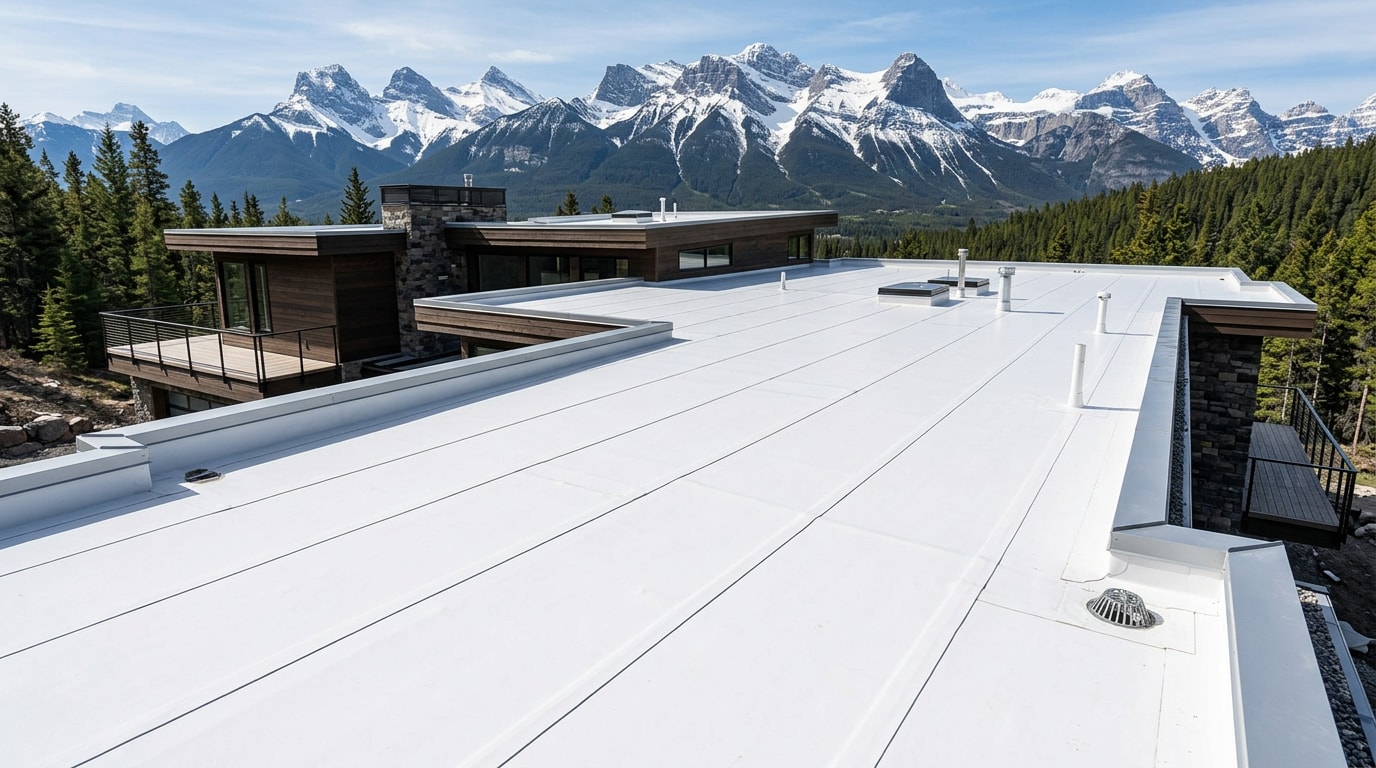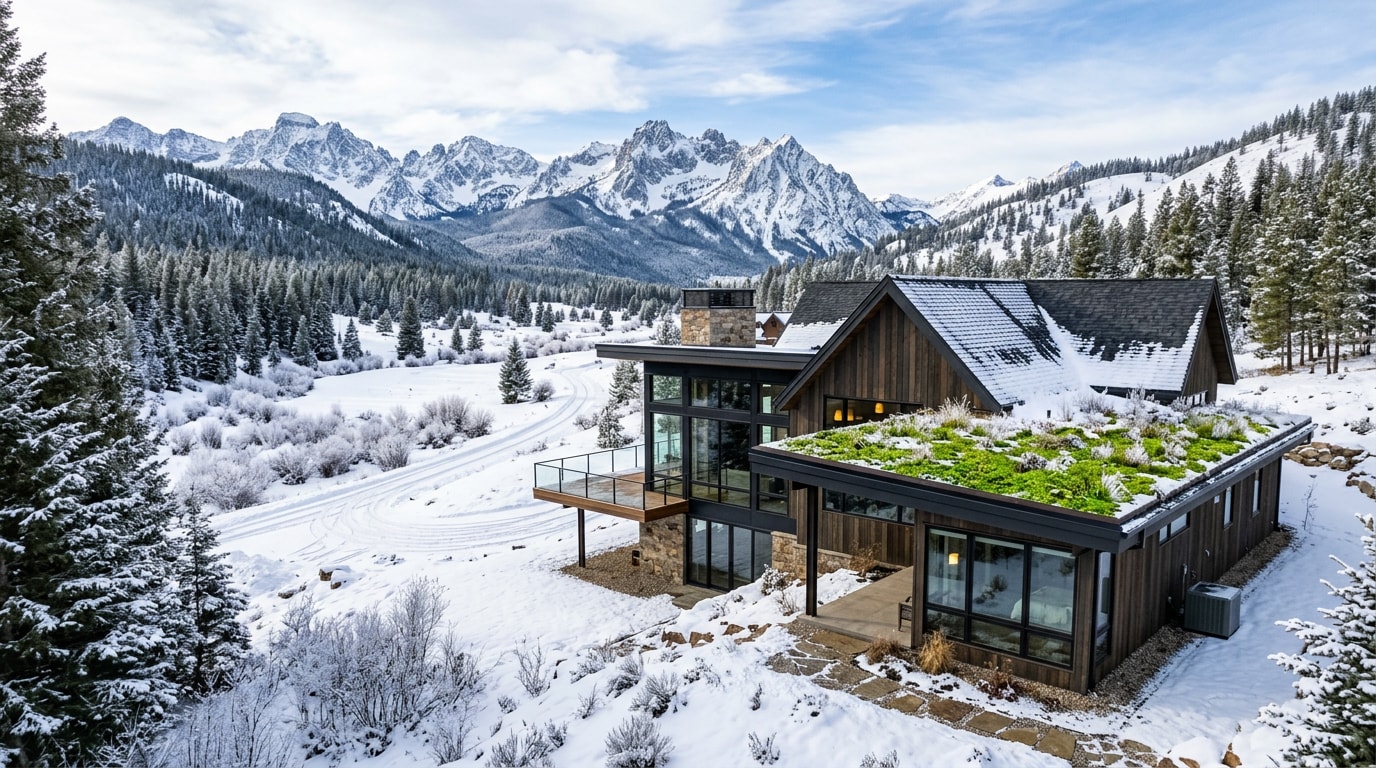
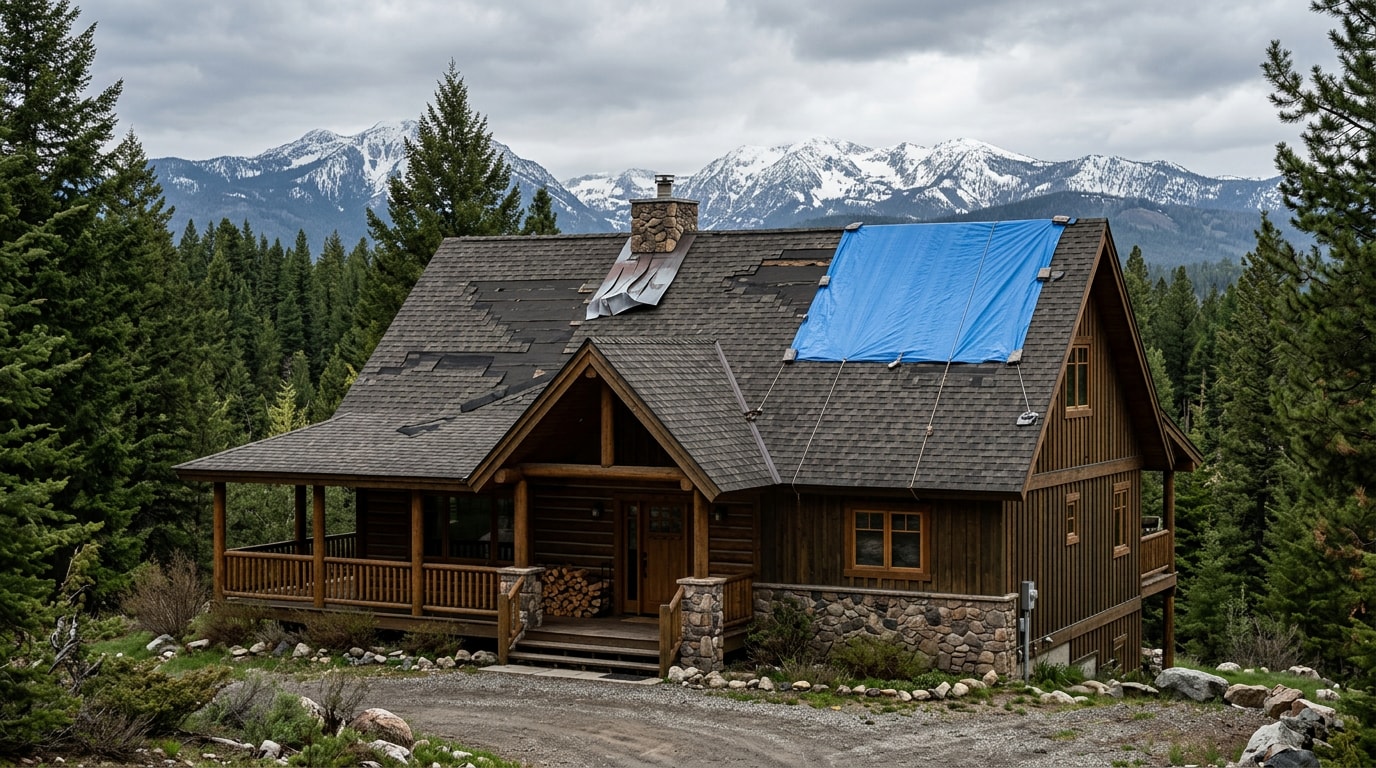
Storm damage roofing McCall, ID calls spike every time a summer hailstorm rolls off Payette Lake or a heavy wet snow buries a roofline overnight. At nearly 5,000 feet, a McCall roof absorbs wind, hail, and snow load stress that a Boise or Meridian roof almost never sees in the same season. This guide covers the damage types specific to this elevation, what to do in the first 24 hours, real cost factors, and how to vet a contractor before you sign anything.
Types of Storm Damage Roofing McCall, ID Homes Face
McCall roofs face four recurring storm damage types: water intrusion, wind damage, hail damage, and snow or ice damage that threatens structural integrity. Each requires its own repair approach.
Water Damage Restoration
Heavy rain and sudden snowmelt can overwhelm aging flashing, worn shingles, or clogged gutters, letting water work its way into the attic and ceiling. Left alone, this soaks insulation and framing, creating conditions for mold within a day or two. Water damage restoration starts with locating the entry point, extracting standing moisture, and running industrial dehumidifiers before sealing the repaired area.
Wind Damage Repair
Mountain gusts funnel through the McCall valley and can lift shingle edges, tear off ridge caps, or bend flashing around chimneys and vents. Wind damage usually starts small, with a few loose shingles, but spreads fast once wind gets underneath the roofing layer. Repair typically involves resecuring or replacing lifted shingles, resealing flashing, and checking the decking underneath before the next storm arrives.
Hail Damage Restoration
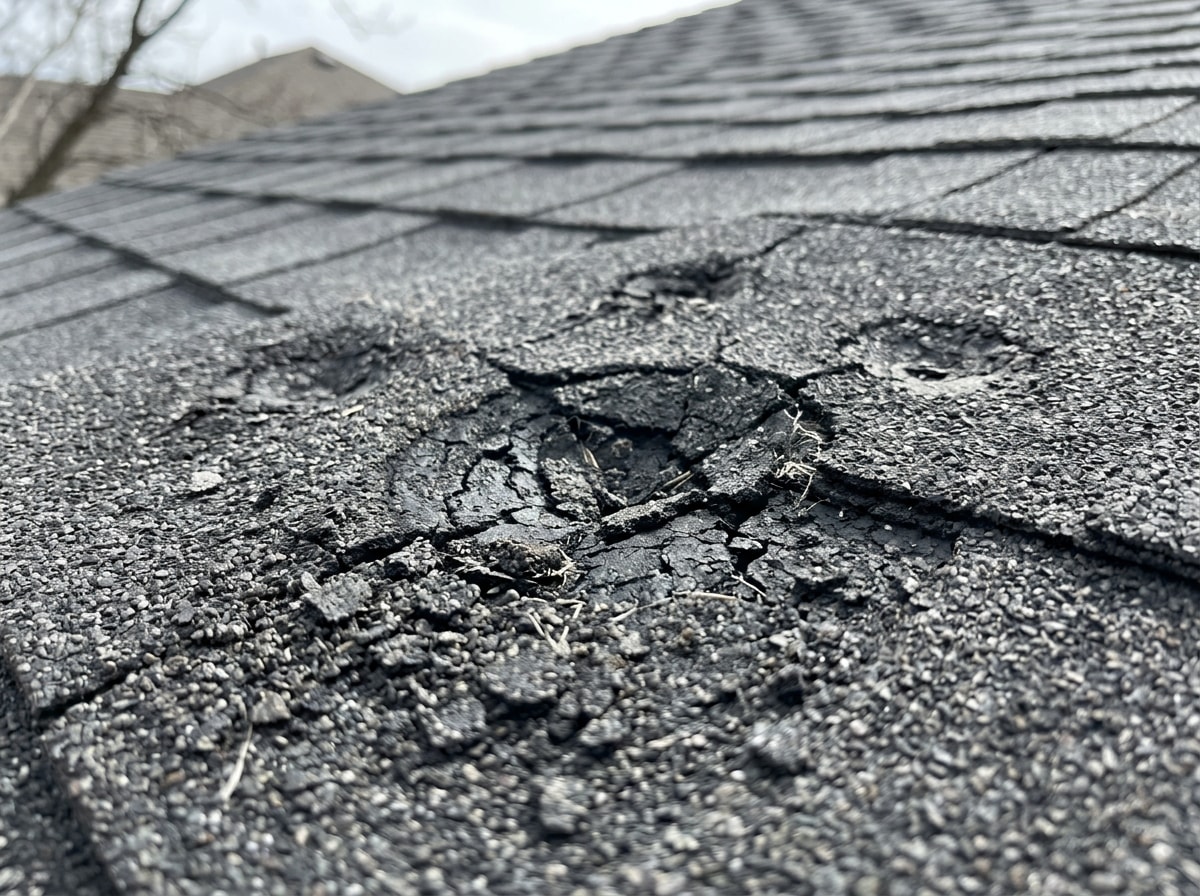
Hail damage shows up as dents in metal flashing, cracked shingles, and granule loss that strips away a shingle's protective coating. Because of its elevation, McCall sees hail more often than many Treasure Valley communities, where storm cells frequently break up before reaching the valley floor. NOAA classifies a storm as "severe" when it produces wind gusts of at least 58 mph and/or hail one inch in diameter (about the size of a quarter) or larger , a useful benchmark when documenting hail damage for an insurance claim.
Snow & Ice Damage
At McCall's elevation, snow load is a structural concern, not just a maintenance nuisance. This is where most national "storm damage" guides fall short, because they're written for flatland wind and hail, not a roof that has to carry months of accumulated snow.
Valley County doesn't leave this to guesswork. The design snow load for Valley County is designated as one hundred twenty (120) to one hundred fifty (150) pounds per square foot depending on location of structure , with a lighter exception for specific low-elevation pockets. For the Pistol Creek and Trails End areas, the designated snow load is sixty (60) pounds per square foot live load . Compare that to a Treasure Valley home, where ground snow load typically runs under 20 psf, and it's clear why a standard valley roofing spec isn't built for McCall.
| Area | Design Snow Load | What It Means |
|---|---|---|
| Most of Valley County | 120-150 psf | Reinforced trusses and steeper pitches are standard, not optional |
| Pistol Creek / Trails End | 60 psf | Lower exception zone, still well above a typical Boise-area roof |
| Typical Treasure Valley home | Under 20 psf | Standard residential framing is usually sufficient |
To find the exact roof snow load for a specific building site, homeowners can contact the Valley County Building Department by phone or email , since the figure varies by exact location and elevation. Valley County's current governing code is the 2018 IECC, 2018 IBC, and 2018 IRC , which is the baseline any re-roof or new build should meet.
What To Do in the First 24 Hours After Storm Damage
Right after a storm, the priority is stopping further damage, not a full repair. A proper response includes:
- Emergency tarping over exposed sections of roofing
- Board-up of broken windows or damaged siding
- Removal of fallen tree limbs resting on the roofline
- Temporary structural stabilization if framing has shifted
- Photo documentation of every damaged area before cleanup begins
A tarp installed within hours can prevent a small leak from becoming a soaked ceiling and a lingering mold problem. If your roof was hit today, request an emergency roof repair or get a free storm damage estimate before the next weather system arrives.
What Drives Storm Damage Repair Costs in McCall, ID
No two storm claims cost the same, but a few factors consistently move the number:
- Damage severity - a handful of lifted shingles costs far less than a full tear-off after sustained hail bruising.
- Roof material - metal, cedar shake, and asphalt shingle all have different repair labor and material costs.
- Pitch and accessibility - steep mountain rooflines and snow-load-rated trusses take longer to work on safely.
- Insurance deductible and coverage - your out-of-pocket cost depends heavily on your policy, not just the damage.
On the insurance side, about one in 35 insured homes has a property damage claim related to wind or hail each year nationally, and the average severity of a wind and hail claim from 2019 to 2023 was $14,747 . That figure is a national average, not a McCall-specific number, but it's a useful benchmark when an adjuster's estimate feels low for the scope of damage you're seeing. A full-scope roofing contractor should walk the roof with you, document everything, and compare their findings against the adjuster's scope line by line.
For material-specific pricing on a common McCall roofing option, see our 3 ft by 12 ft metal roofing price guide for McCall, ID.
Roofing in McCall, Neighborhood by Neighborhood
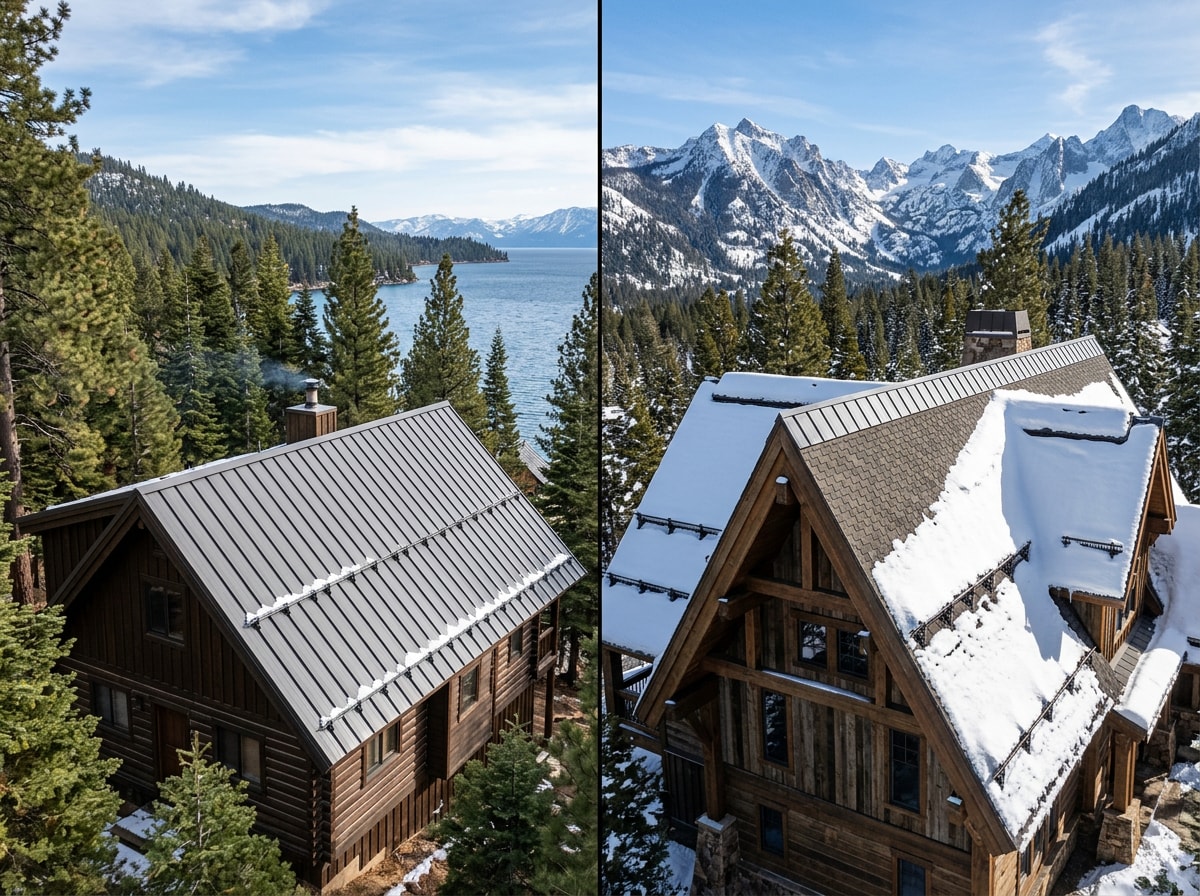
Snow load varies more within town limits than most homeowners realize. A lakeside cabin near Payette Lake sits at a slightly lower elevation and tends to see heavier, wetter snow that demands robust snow retention systems to stop sudden slides onto walkways or parked cars. Brundage-area roofing sits several hundred feet higher, where snow tends to stay lighter and drier longer but accumulates to greater total depth over the course of a winter.
| Location Type | Elevation Tendency | Snow Behavior | Key Roofing Need |
|---|---|---|---|
| Lakeside (Payette Lake area) | Lower | Heavier, wetter snow | Snow retention systems, reinforced eaves |
| Brundage-area / higher elevation | Higher | Lighter, drier, deeper accumulation | Steeper pitch, higher structural load rating |
| In-town / mixed elevation | Varies | Mixed | Site-specific engineering, per county code |
Both situations call for ice-and-water shield along eaves and valleys, but underlayment coverage and snow-retention spacing should be engineered differently for each. A generic bid built on a standard Treasure Valley spec rarely accounts for either extreme.
Full-Service Storm Damage Roofing in McCall, ID
A full-service McCall roofer should cover more than patchwork fixes. That means roof repair for isolated storm damage, complete roof replacement when a roof is beyond saving, and a thorough roof inspection before and after any claim is filed. Storms rarely stop at the roofline either, so check gutters and siding for damage at the same time.
- Gutter repair for bent or pulled-away sections after wind or ice
- Siding repair for hail dents and wind-lifted panels
- Roof installation built with snow load engineering from the start
Comprehensive storm damage repair should also include insurance claim coordination: documenting damage, meeting the adjuster on-site, and translating the estimate into an actual repair plan. That complete approach is what separates a real storm damage roofing McCall, ID company from a general handyman patching shingles between other jobs. Visit the roofing contractor page to see the full scope of what should be included.
How to Choose a Trusted McCall Roofing Company
Start with credentials, not just reviews. Idaho's Division of Occupational and Professional Licenses is dedicated to consumer protection and public safety , and its online portal lets you search for a contractor's registration before you sign a contract. Confirm the business is active and in good standing on the DOPL license search before committing to any bid.
Beyond licensing, ask about direct experience with mountain weather roofing: snow-load calculations, ice-dam prevention, and materials rated for repeated freeze-thaw cycles. A roofer who mainly works in the valley may not fully understand what McCall's elevation demands from a roof system.
Why This Guide Reflects What McCall Roofs Actually Need
We've walked roofs on both sides of McCall, the flatter lakeside lots near Payette Lake and the steeper Brundage-area builds, and the difference in how snow sits on each one is obvious the moment you're on the ladder. That hands-on pattern is why this guide separates lakeside snow retention needs from higher-elevation structural load instead of treating "McCall roofing" as one generic category. If you want that same on-roof assessment for your property, our crew covers McCall alongside Boise, Sun Valley, and the rest of the Treasure Valley through 208 Roofing Experts. You can see our McCall service area details on the McCall, ID page or contact us directly for a free, on-site storm damage estimate.
FAQ
Does homeowners insurance cover storm damage to my roof?
Most policies cover sudden storm damage from wind, hail, or falling trees, since these are considered covered perils. Coverage typically excludes gradual wear, neglect, or pre-existing roof damage, so document conditions and file quickly after a storm.
How much does storm damage roof repair typically cost?
The average severity of a wind and hail insurance claim nationally was $14,747 between 2019 and 2023 , though your actual cost depends on roof size, material, pitch, and deductible. Minor shingle repairs cost far less than a full tear-off, which is why a detailed on-site inspection matters more than a flat estimate.
How do I know if my roof has storm damage?
Look for missing or curling shingles, granule buildup in gutters, dented flashing or vents, and daylight visible through the attic decking. If you're not comfortable getting on the roof, a professional roof inspection after any major storm is the safer and more reliable option.
How long does a roof insurance claim take?
A typical roof insurance claim takes two to six weeks from filing to settlement. In McCall, mountain access, adjuster scheduling, and seasonal weather can extend that timeline, especially for claims filed during peak winter storm months.
Will filing a storm damage claim raise my insurance rates?
Filing a claim for a regional weather event, like a hailstorm affecting an entire neighborhood, generally has less impact on rates than claims tied to individual negligence or repeated filings. Insurers typically distinguish isolated storm claims from a pattern of losses.
How long do I have to file a claim after storm damage?
Most policies give homeowners one year or less to file a storm damage claim, though exact deadlines vary by insurer. Filing promptly matters even more in McCall, where a short repair season before winter can delay contractor availability.