Roofing ventilation and energy efficiency in Mountain Home, ID work as one system, not two separate home features. On a summer afternoon here, a dark-shingle roof can heat up fast, and without enough airflow the attic underneath follows right behind it. That same heat cycle reverses every winter and feeds ice dams at the eaves instead. This guide breaks down how airflow, insulation, and roofing material choices work together to cut energy bills and protect your roof deck year round.
Why Attic Ventilation and Energy Efficiency Matter in Mountain Home
A well-ventilated attic does a lot of quiet work. It pulls heat out before it builds up, keeps moisture from condensing on the underside of the decking, and helps shingles last closer to their full warranty life.
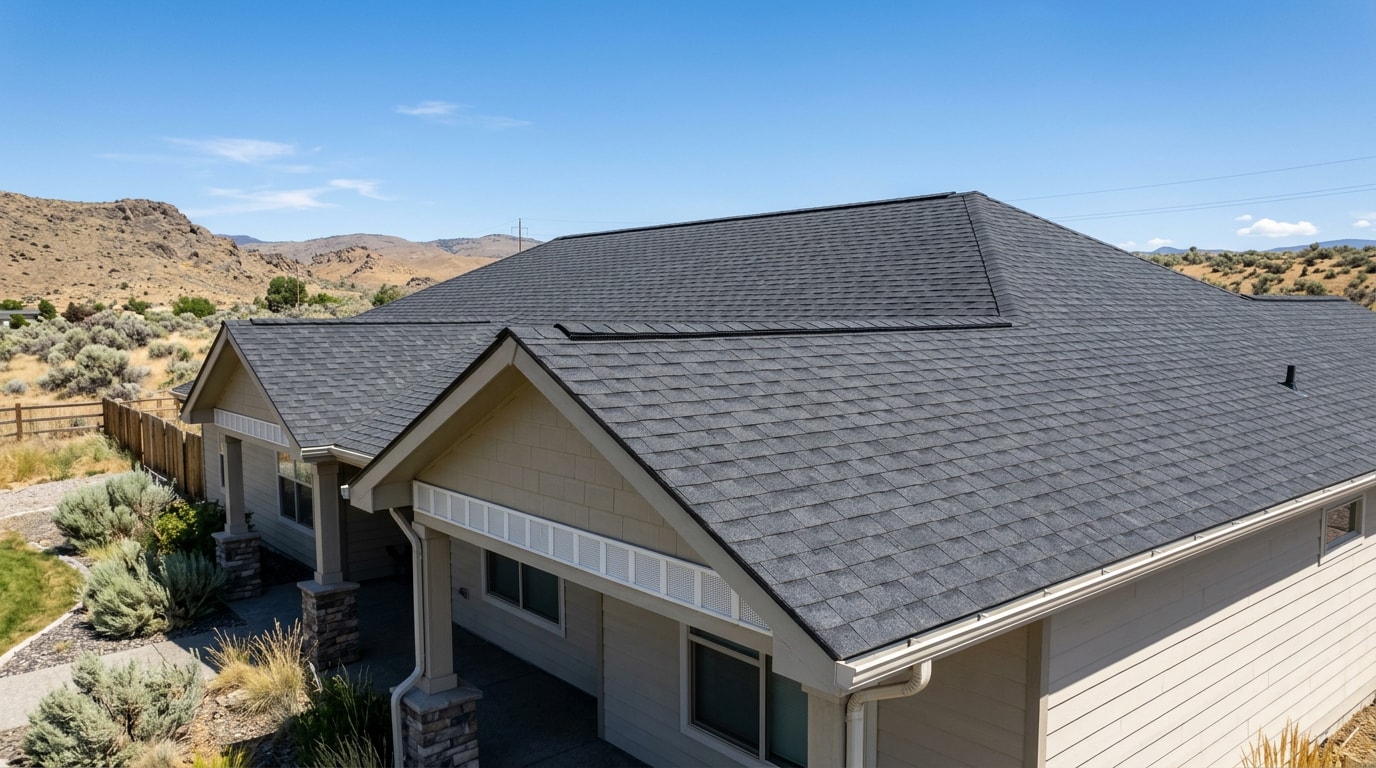
A typical dark-shingle roof can easily reach 170 F, and the air temperature inside the attic can reach 140 F without adequate ventilation. That is the kind of heat load Mountain Home roofs face through a high-desert summer, and it is exactly what a balanced vent system is built to move out before it soaks into the living space below.
On inspections across the area, our crews see the same pattern again and again: soffit vents sealed over during a past insulation job, or a single gable vent trying to do the work of a full ridge system. Mountain Home's climate makes ventilation a two-season problem. Summer bakes shingles from above and below. Winter sends warm, moist air into a poorly vented attic, where it meets freezing decking and sets up ice dams along the eaves.
When ventilation fails, the damage compounds. Trapped heat cooks shingles from underneath, trapped moisture breeds mold and rot in the sheathing, and ice dams force water backward under shingles into the living space. For a broader look at how this fits into overall roof health, see our roofing contractor services.
How Does Roof Ventilation Actually Work?
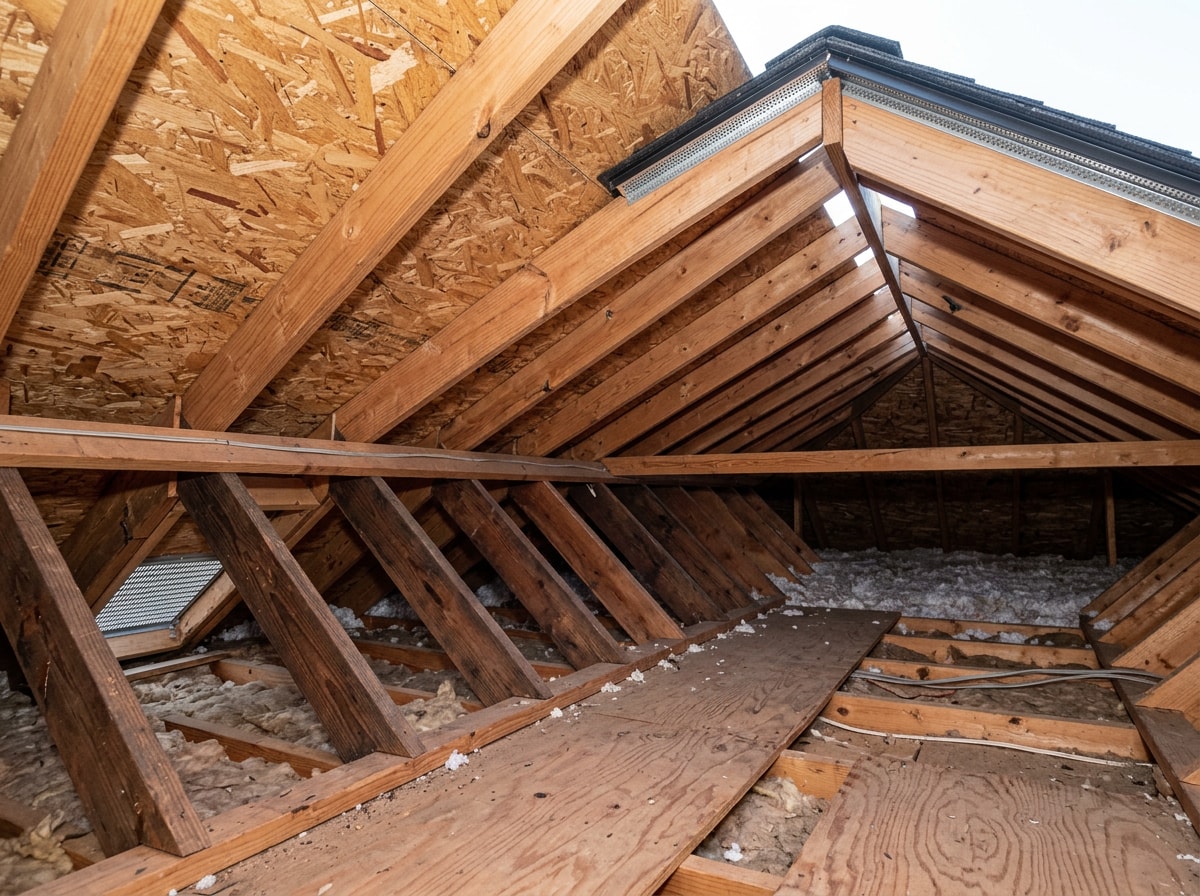
Roof ventilation runs on a simple intake-and-exhaust cycle. Soffit vents near the roof's lower edge draw in cool outside air. That air warms as it rises through the attic and exits through exhaust vents, such as ridge vents, gable vents, or box vents, near the peak.
Warm air naturally rises, so as long as there's a path in at the soffits and a path out at the ridge, airflow happens on its own in most weather. No fan or motor is required for a correctly sized passive system.
The system only performs well when both sides are balanced. Plenty of exhaust paired with blocked or undersized soffit intake starves the attic of fresh air. Generous intake without enough exhaust just lets hot air pool near the ridge instead of escaping.
Ridge Vents vs. Box Vents vs. Powered Fans
Most Mountain Home roofing projects come down to three realistic exhaust options. Each handles snow load, maintenance, and cost differently.
| Vent Type | How It Works | Snow Performance | Maintenance | Best Fit |
|---|---|---|---|---|
| Ridge vent | Continuous passive exhaust along the peak, no moving parts | Sheds snow well since it sits at the ridge | Almost none once installed | Most standard roof pitches |
| Box (turtle) vents | Several individual passive vents spread across the roof | Flat profile can trap snow around each unit | Low, but more units to check over time | Roofs with limited ridge length |
| Powered attic fan | Electric or solar fan actively pulls air out | Moves more air but adds a mechanical failure point | Moving parts wear out and need replacement | Attics with unusual rooflines where passive airflow falls short |
A ridge vent typically costs more to install since it's integrated into the roofline, but it needs almost no upkeep afterward. Box vents are cheaper per unit, though it usually takes several of them to approximate the coverage of one continuous ridge vent, and their flat profile can let snow accumulate around them in a heavy winter.
Powered fans move more air faster, but that power comes with a tradeoff: moving parts that eventually wear out, higher electric use, and a real risk of pulling conditioned air out of the home if the attic isn't properly sealed first. In Mountain Home's snow-load winters, passive ridge ventilation generally holds up with the least ongoing attention.
Attic Ventilation Services in Mountain Home
A professional ventilation visit typically covers three stages: assessing what's already there, installing what's missing, and repairing what's underperforming. A qualified contractor should walk through all three before recommending a new system.
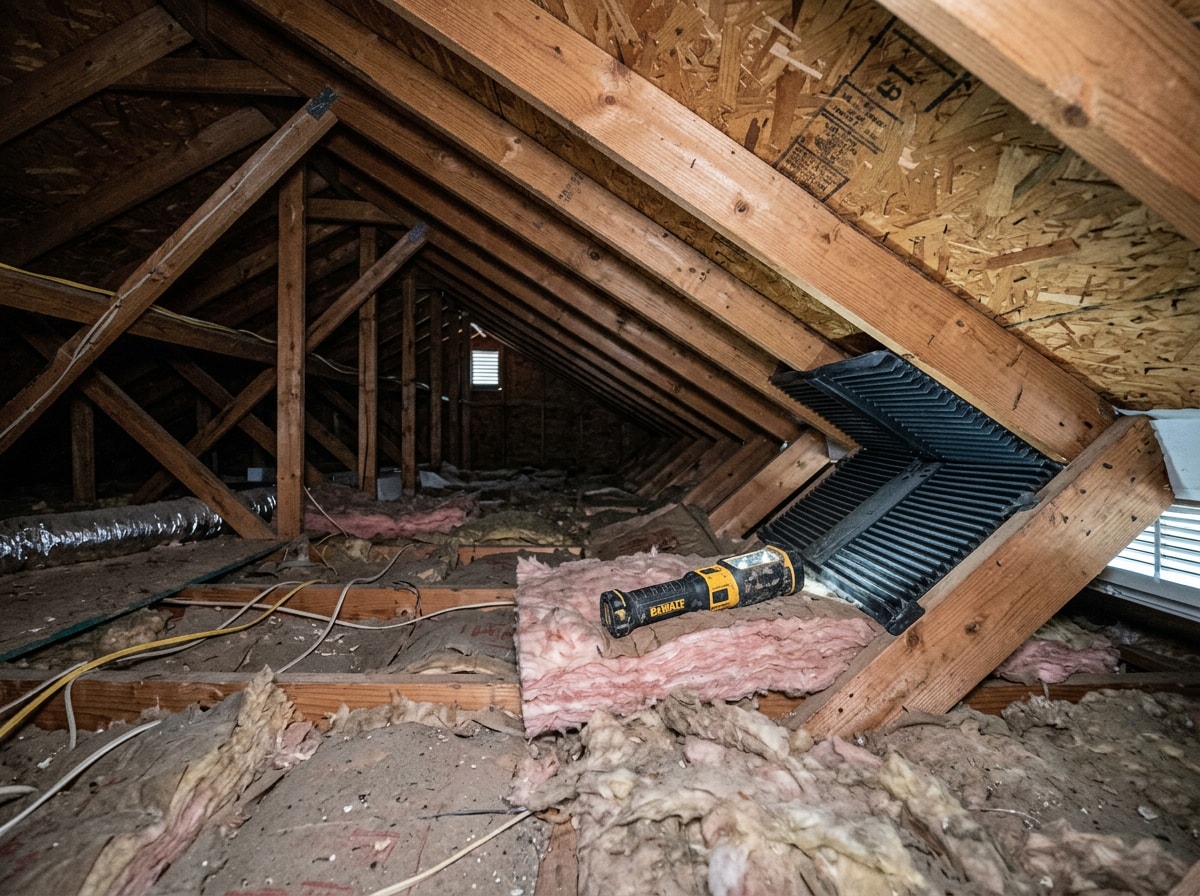
Attic Ventilation Inspection
An inspection starts with an airflow assessment, measuring the home's existing net-free vent area against its square footage. A contractor checks for blocked or painted-over soffit vents, insulation piled against intake points, and signs of trouble like rusty nail heads, dark staining on the decking, or a musty smell. A roof inspection is the fastest way to get a straight answer on whether your current system is working.
New Attic Ventilation Installation
Homes with little or no attic airflow, common in older builds or additions, need a full ventilation installation. This usually means cutting in soffit intake where none exists, adding a ridge or box vent system for exhaust, and confirming insulation isn't choking the new vents. A properly sized upgrade can often be completed in a single day on most residential roofs, frequently alongside a roof installation project.
Ventilation Upgrades and Repairs
Existing systems sometimes need repair rather than full replacement. Storm damage, pest entry, and rust on older metal vents are common culprits. Undersized systems installed decades ago often need an upgrade to meet current airflow recommendations, especially after an insulation project adds depth without adding intake. Homeowners anywhere in the region can get a free estimate or check service availability on our Mountain Home, ID service page.
Attic Insulation and Ventilation Work Together
Insulation and ventilation aren't competing fixes, they're a paired system. Over-insulating around soffit vents chokes off intake airflow even when the exhaust side is working fine. Under-insulating lets conditioned air leak into the attic, where ventilation just carries those energy savings straight outside.
Getting the balance right starts with adequate R-value for the local climate zone. Climate Zones 6, 5, and 4C call for R60 in an uninsulated attic or R49 if you already have 3 to 4 inches of insulation , according to the ENERGY STAR recommended insulation levels. Most of Mountain Home falls in that range, though exact recommendations vary by home construction.
Soffit baffles, simple channels installed between the insulation and the roof deck, keep loose-fill or batt insulation from migrating into the intake vents. Without them, even a well-designed system can end up starved of fresh air within a few years as insulation settles and shifts.
Cool Roofs and Reflective Materials Under the Idaho Sun
Cool roofing and reflective materials address heat load directly, rather than just venting it out after the fact, which makes them a natural complement to a well-ventilated attic.
Standard asphalt shingles absorb solar radiation rather than reflecting it, pushing attic temperatures higher through the hottest stretch of a Mountain Home summer. Reflective roofing changes that equation by deflecting more sunlight away from the surface instead of letting the roof soak it in.
Cool roofs reflect or release the sun's solar energy rather than retain it, and are typically 50 to 60 degrees Fahrenheit cooler than traditional roofs. That difference matters most once outdoor temperatures climb into the 90s, since a cooler roof surface simply has less heat to push into the attic in the first place. The EPA's heat island reduction guidance covers how reflective roofing fits into broader cooling strategies.
Energy-Efficient Roofing Material Options
Energy-efficient materials vary widely in how they handle heat.
- Metal roofing reflects a large share of solar radiation and radiates less heat into the attic compared to standard asphalt, which is part of why it has gained ground in high-desert climates like Mountain Home's. It also holds up well under the area's occasional heavy snow loads.
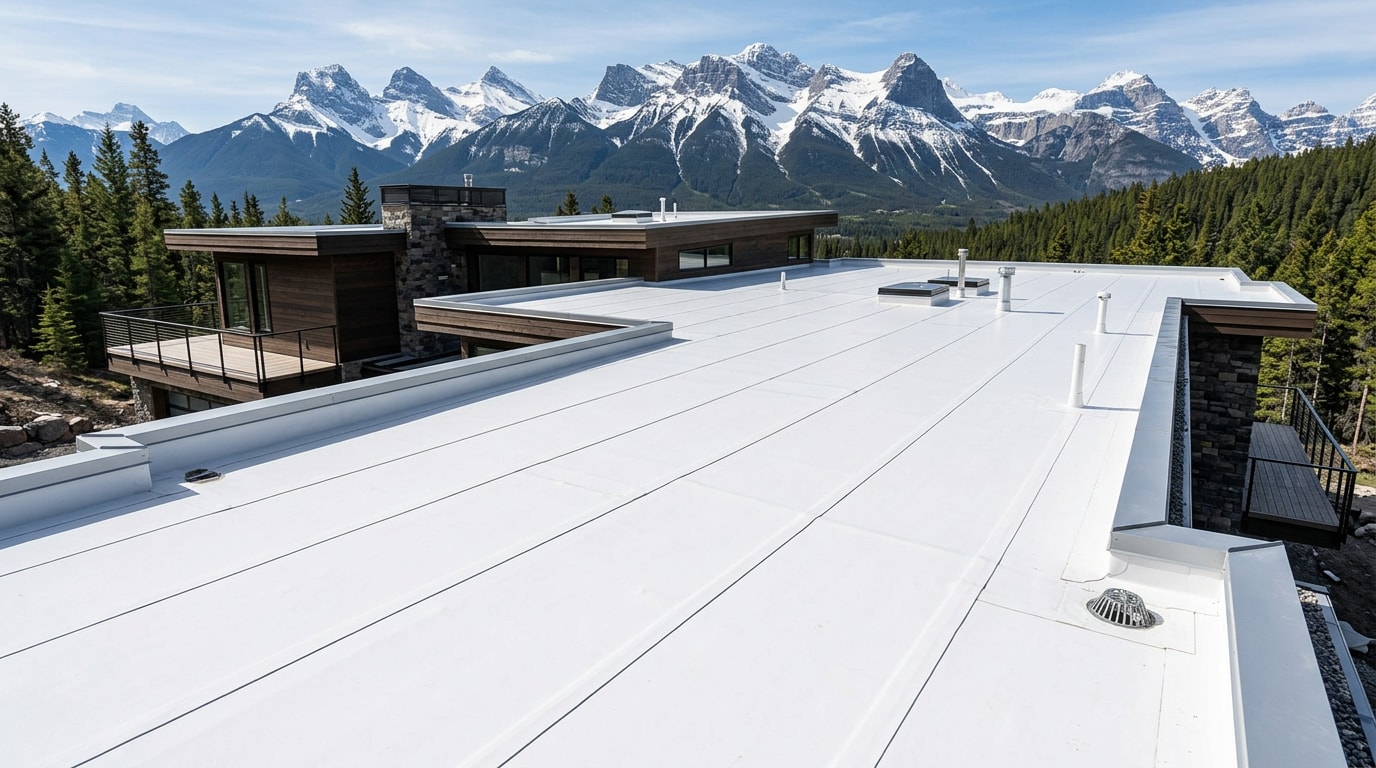
- TPO roofing is a common pick for low-slope sections such as additions, porches, or outbuildings. Its white, highly reflective surface performs similarly to a cool roof on flat or nearly flat areas where shingles aren't practical. For a membrane alternative with a longer track record, our EPDM roofing guide for Sun Valley, ID covers cost and lifespan in more detail.
- Reflective shingle lines look like conventional asphalt shingles but use granules engineered to reflect more solar energy than standard products. Savings vary by home, climate, and existing insulation levels, so it's worth asking a local contractor for a realistic estimate rather than relying on marketing percentages alone. A roof installation consultation is the easiest way to compare real options for your roof.
Signs Your Ventilation Falls Short
Watch for these warning signs:
- Ice dams that form in the same spot along the eaves every winter
- Frost or condensation on the attic underside on cold mornings
- Upstairs rooms noticeably hotter than the rest of the house in summer
- A musty smell in the attic
- Shingles that curl or look prematurely worn
Any one of these alone might have another cause, but two or three together usually point to an airflow problem. Attic condensation is easy to miss since it only shows up during a cold snap, then melts and disappears before anyone goes looking. A quick flashlight check on a cold morning is often enough to catch it early.
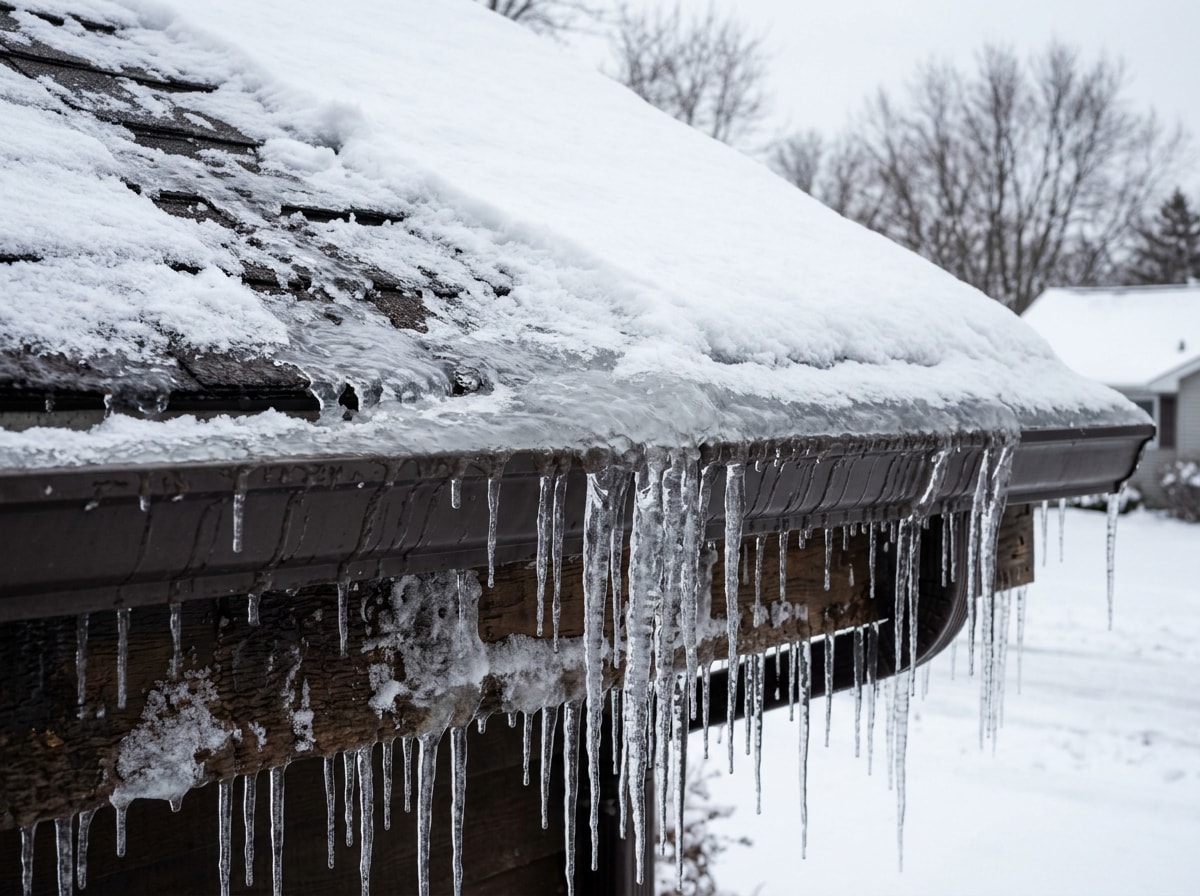
If several of these match your home, a free ventilation inspection can clarify what's actually happening in the attic before the next heat wave or snow season.
FAQ
What is the best roof ventilation for Idaho homes?
For most Idaho homes, a balanced ridge-and-soffit system is the best option: continuous passive exhaust at the ridge paired with adequate soffit intake. It requires no electricity, handles snow well, and needs minimal upkeep. Powered fans or extra box vents can supplement unusual rooflines, but balanced passive ventilation remains the standard recommendation for typical residential roofs.
How much attic ventilation do I need?
Most building codes set a 1/150 net free area ratio as the baseline, with a reduction to 1/300 allowed only when a vapor retarder and upper vent placement conditions are both satisfied . Not less than 40 percent and not more than 50 percent of the required ventilating area should sit in the upper portion of the attic, located no more than 3 feet below the ridge , per the International Residential Code ventilation requirements. A local building department can confirm what applies to your specific home.
Can too much insulation block roof ventilation?
Yes. Insulation blocking vents is one of the most common airflow problems found during inspections. When loose-fill or batt insulation gets pushed too close to the eaves, it can bury the soffit intake entirely. Soffit baffles installed before insulation goes in create a permanent channel that keeps airflow blockage from happening as insulation settles over time.
Do ridge vents work when snow covers the roof?
Brief snow cover over a ridge vent rarely stops it from working, since snow at the ridge tends to melt or blow off quickly and the vent's internal baffle keeps the opening clear underneath. If ice buildup persists for days along the ridge, that's worth a closer look rather than assuming it will clear on its own.
Ready to find out how your attic is actually performing? Visit 208 Roofing Experts or get a free estimate and we'll walk the attic with you before recommending anything.