Roof restoration in Twin Falls, ID brings a worn, hail-pitted, or sun-faded roof back to solid, weathertight condition without the cost of a full tear-off. The Magic Valley's hail, wind, UV exposure, and freeze-thaw winters wear through roofing materials faster than milder climates, and that's usually what pushes homeowners to start researching this option. Here's what it actually involves, what it costs, and how to tell if your roof even qualifies.
Signs Your Twin Falls Roof Needs Restoration
Not every aging roof needs restoration. Some need a quick repair; others are past saving. Watch for these signs:
- Missing, cracked, or curling shingles across multiple sections
- Active leaks or interior water stains on ceilings and walls
- Heavy moss, algae, or dark streaking on the roof surface
- Granule loss showing up in gutters
- Faded, chalky coating on a metal roof
- Rust spots on metal panels or exposed fasteners
If you're seeing two or three of these, schedule a free inspection before the damage spreads to the decking underneath.
What's Included in Roof Restoration Services in Twin Falls, ID
Restoration isn't one task, it's a sequence. A legitimate restoration project typically includes:
- Roof cleaning to strip dirt, grime, moss, and debris from the surface
- Minor repairs to fix leaks, cracks, and damaged shingles or tiles before sealing anything over them
- Sealing with water-resistant coatings to rebuild the roof's weather barrier
- Gutter service to clear drainage paths so water actually leaves the roof instead of pooling on it
- A written inspection report flagging anything that could turn into a bigger problem later
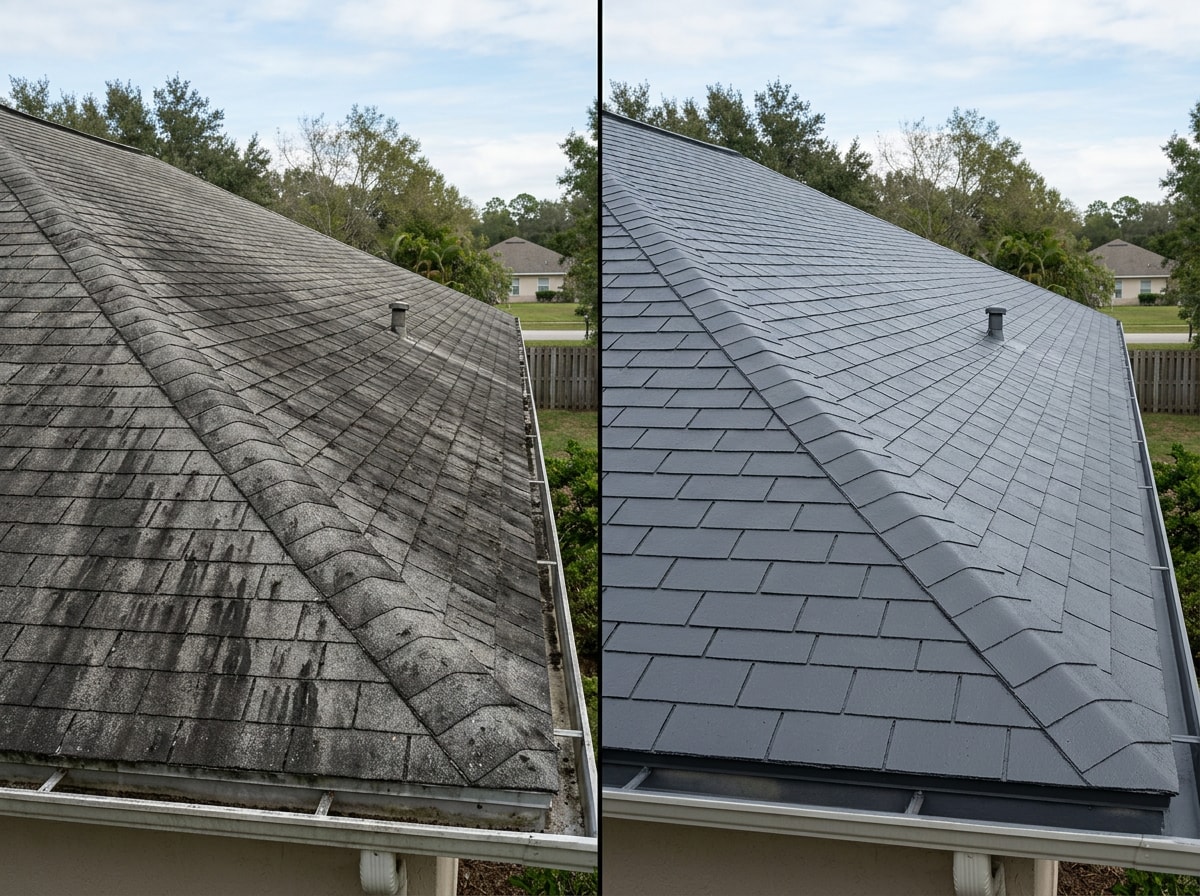
Restoration works when the decking and structure underneath are still sound. If a roofing crew finds rot, widespread structural damage, or a roof already past its expected lifespan, a full roof replacement is usually the smarter long-term call, not a coating applied over a failing base.
Roof Restoration Cost in Twin Falls, ID
Cost is almost always the deciding factor between restoring and replacing. Here's how the two compare on a per-square-foot basis:
| Coating / Restoration | Full Tear-Off Replacement | |
|---|---|---|
| Cost per sq. ft. | $2–$5 | $7–$14 |
| Added roof life | 10–20 years | 20–30 years (new roof) |
| Disruption to home | Low (no tear-off, no dumpster) | High (days of noise, debris) |
| Typical timeline | 1–3 days | 3–7+ days |
Restoration isn't free, but it's a fraction of replacement cost while still buying back a decade or two of roof life. If cash flow is the holdup rather than the roof's condition, our roofing financing guide for Twin Falls homeowners walks through payment plan options that don't require paying the full bill upfront.
Metal Roof Restoration With Reflective Coatings
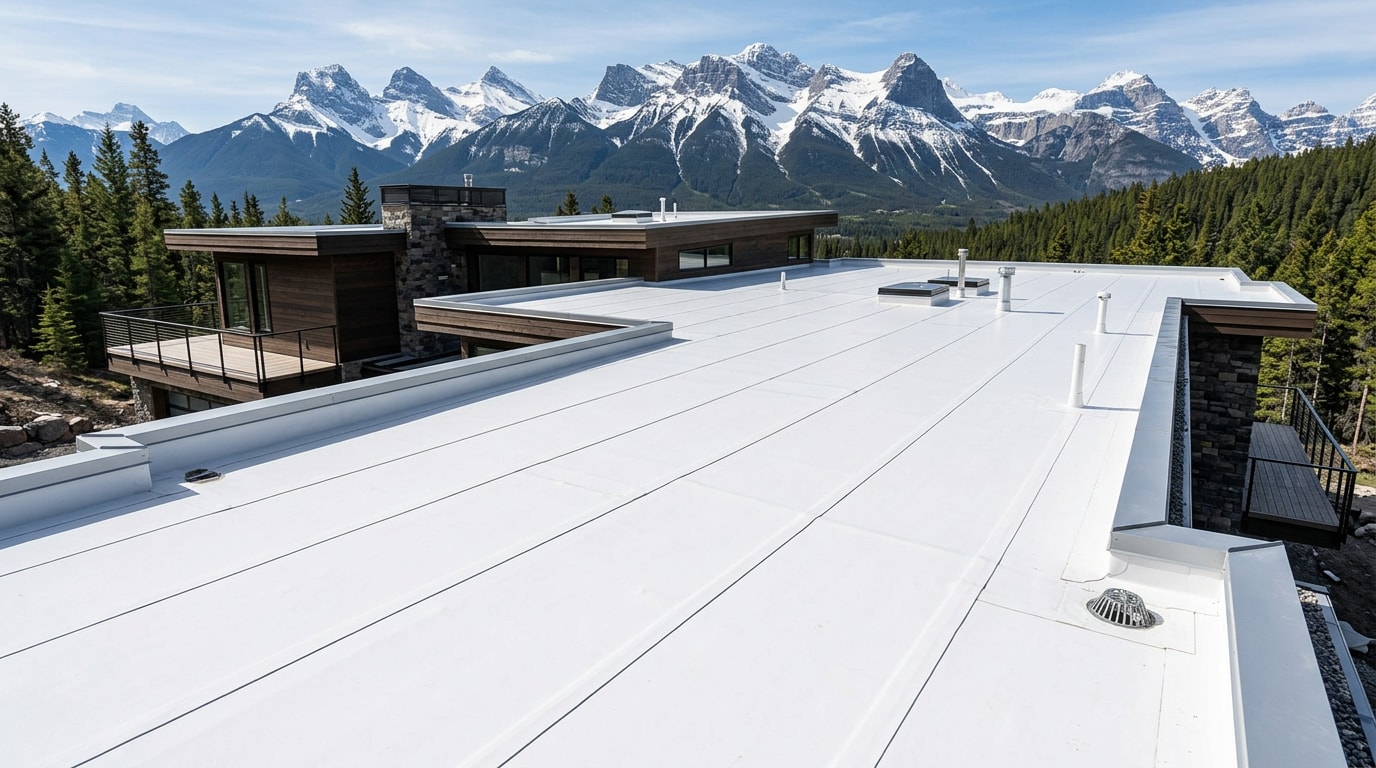
Metal roofs restore differently than shingle roofs. The process starts with power-washing the panels, then treating any rust spots with a rust-neutralizing primer before a single coat of anything goes on top. Skip that step and the coating just seals rust in instead of stopping it.
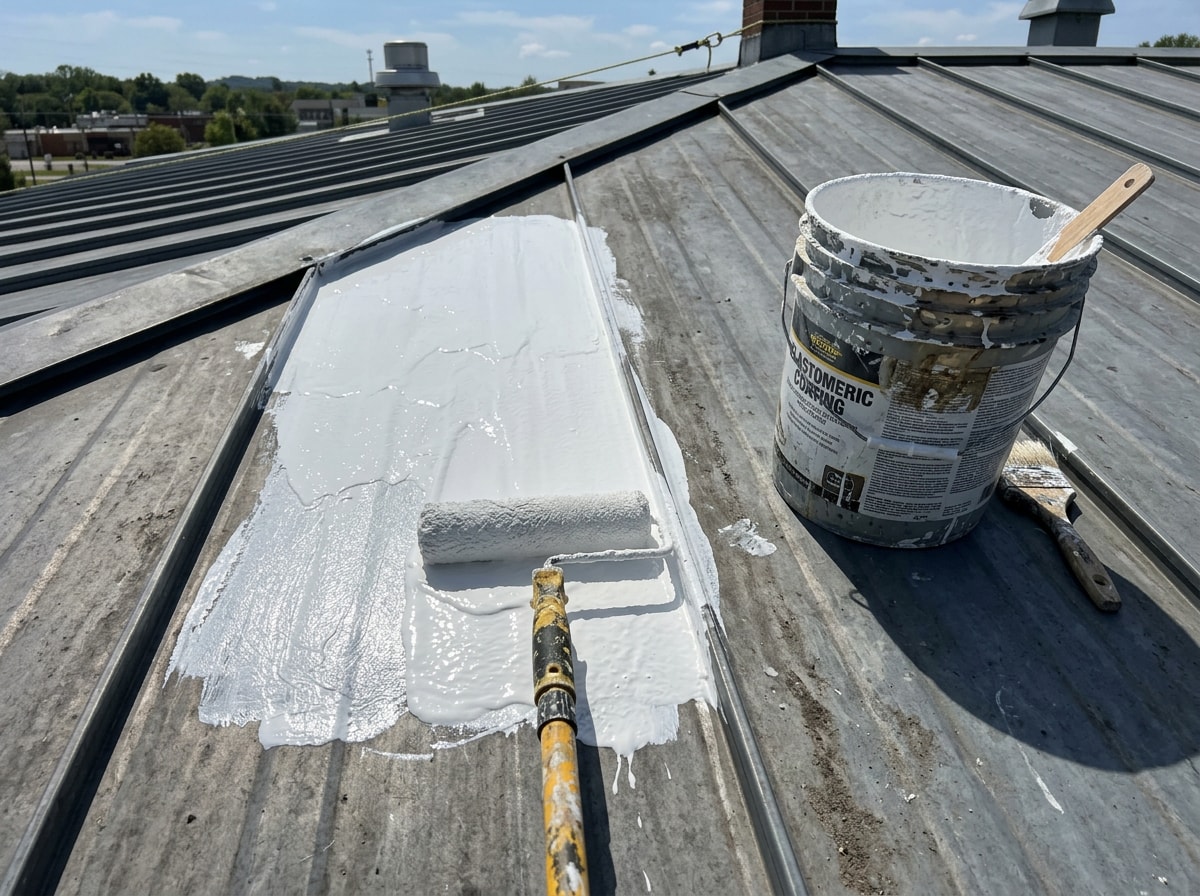
Reflective elastomeric coatings used in metal roof restoration are built to add a waterproof membrane over the entire panel surface, sealing seams and fastener heads that are the usual leak points on an aging metal roof. Many of these systems carry long, non-prorated manufacturer warranties, since the coating itself is what's being warrantied rather than the original metal underneath.
The reflectivity matters beyond just protecting the roof. The EPA's Heat Island Reduction Program notes that reflective cool roofs can run significantly cooler than standard dark roofing in direct summer sun, which is relevant given how hot Twin Falls summers get. The Roof Coatings Manufacturers Association has more detail on how reflective coatings convert an existing roof into a cool roof at any point in its service life, not just at install.
Hiring a Twin Falls Roof Restoration Contractor
Idaho doesn't require a trade exam for general contractors, but it does require registration through the state. Before signing anything, check:
- The contractor's registration status through Idaho's Division of Occupational and Professional Licenses
- Current proof of liability insurance (Idaho generally requires a minimum coverage level for registered contractors)
- Whether you're hiring a local crew or going through a national dealer/franchise model that subcontracts the work out
- Written warranty terms, including length of coverage, what voids it, and whether it's prorated
A qualified contractor should offer a free inspection, photo documentation, and a written scope before recommending repair, restoration, or replacement, not push one option by default. See our Twin Falls service area coverage to confirm a contractor actually works near you, and request a free estimate if you want a second opinion before committing to a bid.
Our Roof Restoration Process
- Inspection. A roofing technician walks the roof, documents damage with photos, and checks the decking underneath for soft spots or rot.
- Written estimate. You get a scope of work, materials list, and total cost before any work begins. No verbal-only quotes.
- Cleaning and repairs. The crew strips debris, fixes leaks and cracked shingles or seams, and preps the surface for coating.
- Sealing and coating. Protective coatings go on in the manufacturer-specified number of coats and cure time.
- Final walkthrough. You get the inspection report and warranty documentation in writing.
Permit rules for re-coating and restoration work vary by city and county. The International Code Council's residential roof assemblies chapter outlines the baseline requirements most Idaho jurisdictions build their local codes from, but always confirm with your local building department before work starts.
Roof Repair vs. Restoration vs. Replacement
These three terms get used loosely, and homeowners often get quoted the wrong one.
| Best for | Typical cost | Lifespan added | |
|---|---|---|---|
| Roof repair | Isolated leaks, a few damaged shingles, flashing issues | Lowest | Varies, often short-term fix |
| Roof restoration | Roof is worn but structurally sound, multiple surface issues | Mid-range | 10–20 years |
| Roof replacement | Decking damage, roof past its rated lifespan, repeated failures | Highest | 20–30 years |
Not sure which category your roof falls into? A roof inspection answers that before you spend money on the wrong fix. If a storm just hit and you're dealing with active leaking, our emergency roof repair team can stabilize the roof first and sort out repair versus restoration after.
Why Trust This Guide
This guide is built on field experience from the crews at 208 Roofing Experts, a locally owned, licensed and insured roofing contractor serving Twin Falls and the greater Magic Valley. In our inspections across Twin Falls neighborhoods, the roofs that qualify for restoration almost always share one trait: sound decking under a worn surface. The ones that don't qualify usually have moisture that's already reached the wood, which is why we document every inspection with photos before recommending a path forward.
FAQ
Is roof restoration worth the money?
Usually, yes. It costs a fraction of full replacement while meaningfully extending roof life, as long as the underlying decking is still sound. If it isn't, restoration just delays a replacement you'll pay for anyway.
How often should I have my roof restored?
Most roofs benefit from restoration every 5–10 years, depending on climate exposure, roofing material, and how well-maintained the roof has been in between.
What signs indicate that my roof needs restoration?
Missing or cracked shingles, active leaks, interior water stains, heavy moss or algae growth, and granule loss in the gutters are the main ones.
Does a 30-year roof really last 30 years?
Rarely in practice. Manufacturer warranty ratings reflect lab conditions. Twin Falls weather, UV exposure, and skipped maintenance routinely shorten real-world lifespan, which is exactly what restoration helps offset.
Does homeowners insurance cover roof restoration?
Sometimes, if the damage is storm-related (hail, wind) and the policy covers roof damage. Cosmetic wear from age or sun exposure typically isn't covered. A written, photo-documented inspection report helps if you do file a claim.
How do I fix a roof with no money up front?
Look into contractor financing plans, filing an insurance claim if storm damage caused the issue, or requesting a phased, partial restoration instead of tackling the whole roof at once.
What's the difference between roof restoration and a roof coating?
A roof coating is one step within a restoration. Restoration includes cleaning, repairs, and gutter service in addition to the coating itself, so a coating alone without the prep work tends to fail faster.